 Save
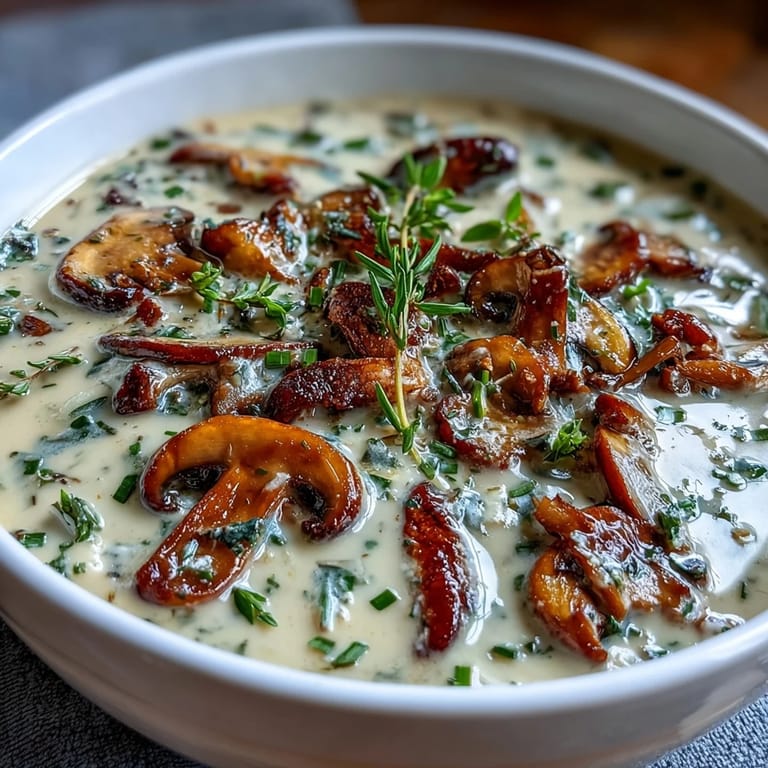
Save There's something about autumn that makes me crave the earthy comfort of mushroom soup, especially when I discovered that mixing varieties creates an entirely different experience than using just one type. One rainy afternoon, I found myself at the farmer's market with an armful of shiitake, cremini, and chanterelle mushrooms, and instead of making my usual simple sauté, I decided to build something more luxurious. The result was this wild mushroom bisque—silky, deeply flavored, and somehow both elegant and soul-warming at the same time.
I served this to my best friend who claimed she didn't like mushrooms—turns out she'd only ever had them cooked in ways that made them rubbery and bland. Watching her take a second spoonful of this creamy bisque, eyes widening as she tasted the difference between mushrooms cooked thoughtfully and mushrooms rushed, felt like introducing her to something entirely new. She now texts me asking when I'm making it again, which means something in how this soup is built truly matters.
Ingredients
- Mixed wild mushrooms (500 g): The variety here is everything—cremini brings earthiness, shiitake adds umami depth, chanterelles contribute delicate sweetness, and oyster mushrooms round it all out with a subtle pepper note, so don't settle for just one type if you can help it.
- Unsalted butter (2 tbsp) and olive oil (1 tbsp): Together they create the ideal fat base for coaxing out all the flavors the mushrooms want to share.
- Yellow onion (1 medium, finely chopped): This is your aromatic foundation—chop it fine so it disappears into silkiness and builds sweetness as it softens.
- Leek (1 medium): Use only the white and light green parts, as the darker green becomes stringy; this adds a subtle sophistication that regular onion alone doesn't quite achieve.
- Garlic (2 cloves, minced): Fresh garlic makes all the difference here—don't use pre-minced if you can avoid it.
- Fresh thyme (1 tsp) or dried (½ tsp): Thyme is the herb that whispers rather than shouts, weaving through the mushroom earthiness without overpowering it.
- Dry sherry (60 ml): This is your secret—the alcohol burns off but leaves behind a gentle elegance that rounds out all the savory notes.
- Vegetable or chicken broth (950 ml): Choose quality broth because it's one of the few ingredients you really taste; weak broth makes weak soup.
- Heavy cream (120 ml): This is what transforms it from soup to bisque—it creates that luxurious, velvety mouthfeel that makes it feel special.
- Sea salt and black pepper: Season thoughtfully and taste as you go, because the final balance is everything.
- Fresh chives or parsley for garnish: A bright handful at the end brings freshness that cuts through all that richness beautifully.
Tired of Takeout? 🥡
Get 10 meals you can make faster than delivery arrives. Seriously.
One email. No spam. Unsubscribe anytime.
Instructions
- Heat your fat and build your base:
- Melt butter with olive oil over medium heat, then add your chopped onion, leek, and minced garlic—you want to hear a gentle sizzle and smell that wonderful savory sweetness developing, which takes about 3 to 4 minutes. Don't rush this step or brown the vegetables; they should be soft and fragrant, not colored.
- Introduce the mushrooms and let them speak:
- Add all your sliced mushrooms and the fresh thyme to the pot, stirring occasionally as they cook for about 10 minutes—you'll notice them releasing moisture, then gradually turning golden and concentrating their flavors. This is where the real magic happens, so pay attention to the shifting colors and aromas.
- Deglaze with sherry for depth:
- Pour in the dry sherry and use a wooden spoon to scrape up all those browned, flavorful bits stuck to the bottom of the pot—this is called deglazing, and it captures all the concentrated mushroom essence. Let it simmer for 2 minutes so the sharp alcohol smell fades and you're left with subtle elegance.
- Build your broth and let flavors meld:
- Add the vegetable or chicken broth and bring everything to a gentle simmer, then lower the heat and let it cook uncovered for 15 to 20 minutes—this time allows the flavors to get to know each other and deepen. You'll notice the soup becoming more complex and rounded as it simmers.
- Purée until silky smooth:
- Remove the pot from heat and use an immersion blender to purée the soup until it reaches that luxurious bisque texture—if you're using a countertop blender, work in careful batches and never fill it more than halfway. The soup should look like liquid velvet.
- Finish with cream and final seasoning:
- Stir in the heavy cream gently, then taste and adjust your salt and pepper as needed—each batch of broth and mushrooms is slightly different, so this tasting moment is crucial. Warm through over low heat if necessary, but never let it boil or the cream might break.
- Serve with intention:
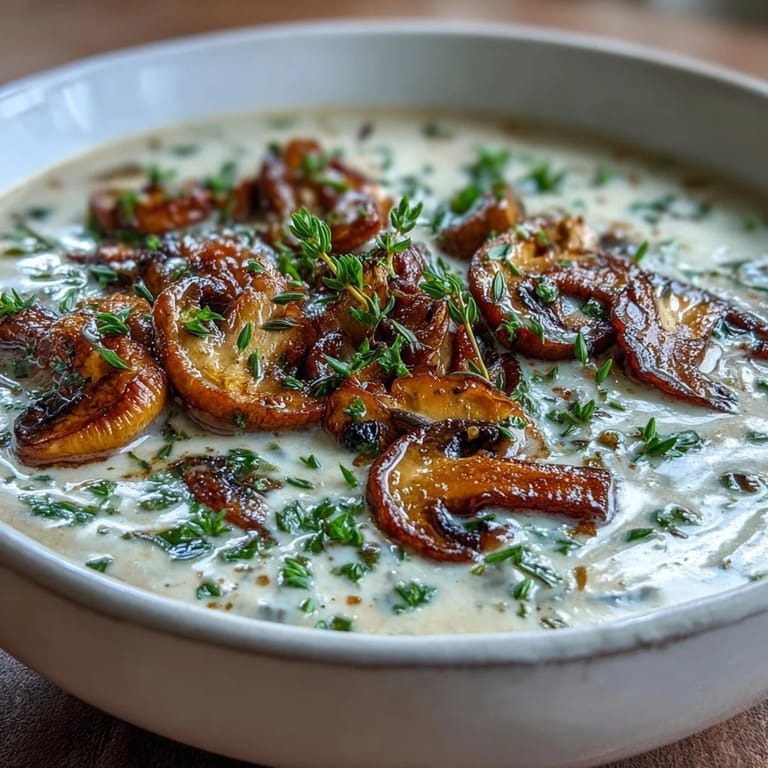
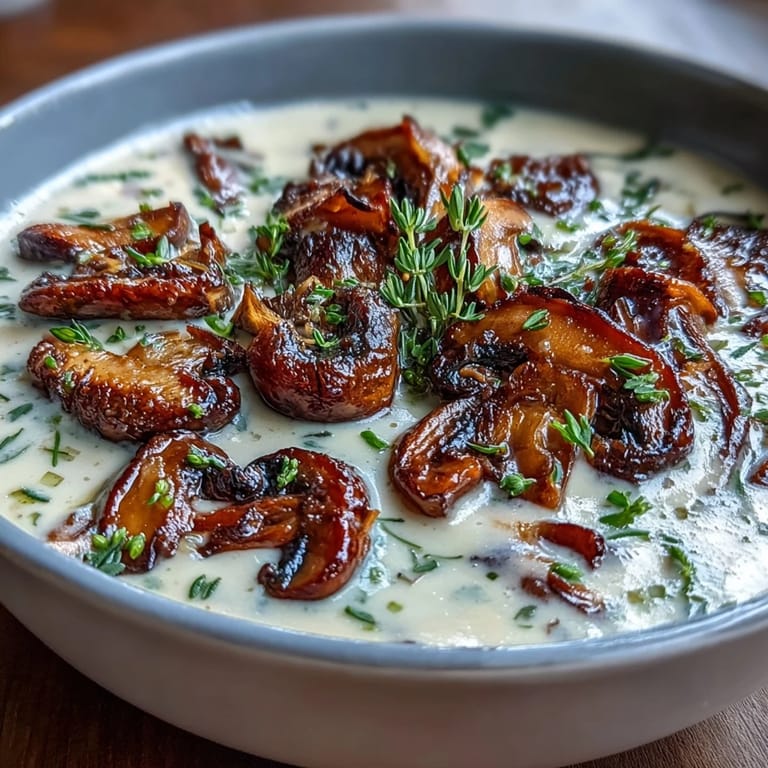
- Ladle the soup into bowls and garnish with fresh chives, parsley, or a few extra sautéed mushroom slices if you're feeling generous. A crack of fresh pepper on top adds both flavor and visual appeal.
 Save
Save What struck me most about making this soup regularly is how it became a quiet ritual on cool evenings—chopping vegetables with intention, listening to the mushrooms soften and release their essence, the kitchen filling with that unmistakable earthy-savory aroma that makes everyone ask what's cooking. It's the kind of dish that reminds you why cooking from scratch, even when recipes seem long, creates something no shortcut can match.
Building Layers of Flavor
The secret to this soup transcends the ingredient list—it's about patience with each stage. When I started cooking, I wanted to rush through everything, but mushrooms teach you differently if you listen. They need time to release their moisture, which concentrates their flavor into something deeper and more complex than you'd get if you tried to speed through. The moment you add broth and let it all simmer together is when individual flavors stop being separate and become a unified experience.
Variations Worth Exploring
I've learned that this recipe is flexible enough to follow your mood and what's available, which is partly why I keep coming back to it. A handful of dried porcini mushrooms reconstituted and stirred in with the fresh ones adds a haunting depth that feels almost mysterious—their concentrated flavor is nothing like fresh mushrooms, and they bring something entirely different. For a lighter version on warmer days, I've replaced half the cream with Greek yogurt stirred in at the end, which keeps the richness but makes it feel less heavy, and honestly, nobody can tell the difference.
Wine Pairing and Serving Suggestions
This bisque pairs beautifully with a crusty baguette for soaking up every last spoonful, and a dry white wine like Chardonnay or Sauvignon Blanc beside it creates a meal that feels restaurant-quality without the pretension. I've also served it as a starting course before a roasted chicken or fish entrée, where its elegance sets the tone for what comes next. The soup can be made ahead and refrigerated for up to three days, or frozen for a month, which means you can create this luxury on a busy Tuesday night without the stress.
- Toast your baguette slices with a touch of garlic butter for a textural contrast that makes the creamy soup even more satisfying.
- If you're making this ahead, add the cream just before serving so the soup stays bright and doesn't develop a skin overnight.
- A drizzle of truffle oil on top transforms a weeknight dinner into something celebration-worthy, if you're feeling fancy.
 Save
Save Making this wild mushroom bisque became a way for me to slow down and really taste what I'm cooking, something that feels increasingly rare and precious. It's a recipe that rewards you for paying attention, for choosing quality ingredients, and for letting each step unfold as it's meant to.
Recipe FAQ Section
- → What types of mushrooms work best?
A variety such as cremini, shiitake, chanterelle, and oyster mushrooms provide depth and texture to the soup.
- → Can I use vegetable broth instead of chicken broth?
Yes, vegetable broth works well and keeps the dish suitable for vegetarians.
- → How does the sherry affect the flavor?
Sherry adds a subtle depth and slight sweetness, enhancing the earthiness of the mushrooms.
- → What’s the best method for blending the soup?
An immersion blender allows smooth puréeing directly in the pot; alternatively, a countertop blender can be used carefully in batches.
- → How can I make this dairy-free?
Substitute butter with plant-based options and replace cream with a dairy-free alternative like coconut or cashew cream.
- → Can I prepare this soup ahead of time?
Yes, it can be made in advance; reheat gently and stir to maintain the creamy texture without boiling.