 Save
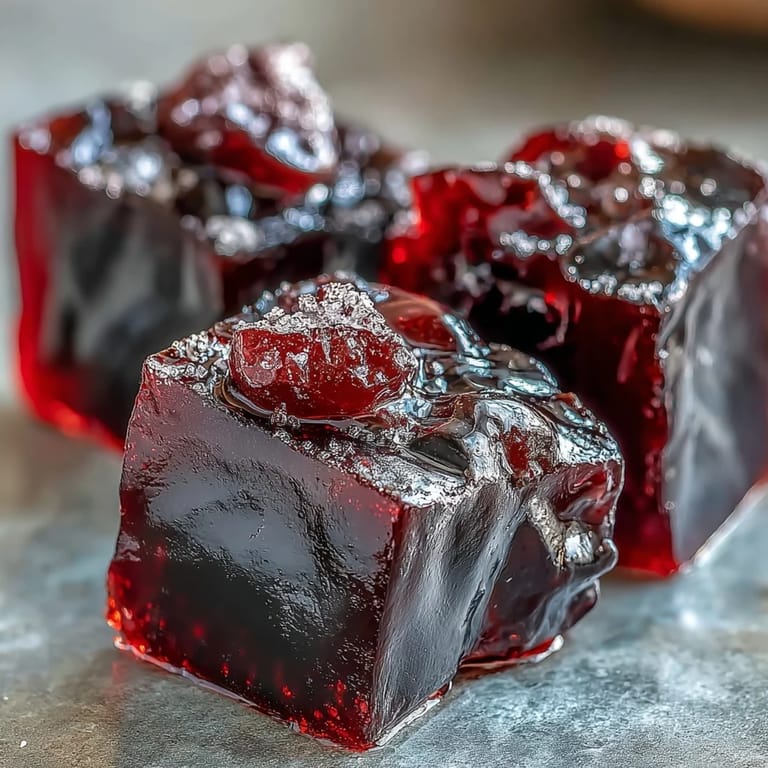
Save My neighbor brought over a tin of these candies one autumn evening, and I remember being struck by how the deep purple color seemed to glow against the white coating. She mentioned they were from a small European confectioner, and I became instantly obsessed with recreating them in my own kitchen. The combination of tart black currant and that distinctive licorice warmth felt like biting into a memory I didn't quite have, but somehow needed to make myself.
I made a batch for my sister's book club last spring, and watching everyone's faces light up when they realized these were homemade was worth every careful minute spent watching the candy thermometer climb. One guest actually closed her eyes while eating hers, which sounds silly, but it made me realize that sometimes candy is about more than sugar—it's about creating a moment worth savoring.
Ingredients
- Black currant purée: This is the soul of the candy, so don't skip it or substitute carelessly—fresh berries blended and strained give you the truest flavor, though frozen works beautifully if you're making this in winter.
- Lemon juice: Just a tablespoon keeps the candy from tasting cloying and brightens the dark berry flavor in ways you won't expect until you taste it.
- Granulated sugar and corn syrup: The combination creates a texture that's chewy without being sticky, though reaching exactly 250°F is absolutely crucial here.
- Powdered gelatin: This is what gives the candy its distinctive bounce and chew—bloom it properly or your mixture won't set right, and all that careful work dissolves.
- Licorice extract: Start conservative and taste as you go, because this flavor can quickly take over if you're not mindful.
- Confectioners sugar and cornstarch coating: This dual coating prevents sticking and adds a subtle sweetness that balances the tartness beautifully.
Tired of Takeout? 🥡
Get 10 meals you can make faster than delivery arrives. Seriously.
One email. No spam. Unsubscribe anytime.
Instructions
- Prepare your stage:
- Line that 8x8-inch pan with parchment paper and give it a light grease—this is your safety net, so don't skip it.
- Bloom the gelatin:
- Sprinkle the powder over cold water and let it sit undisturbed for 10 minutes; you'll see it absorb the liquid and become spongy, which is exactly what you want.
- Warm your fruit base:
- Heat the black currant purée and lemon juice gently over low heat, letting the steam rise and fill your kitchen with that deep berry aroma—don't let it boil.
- Cook your syrup to precision:
- Combine sugar, corn syrup, and water in a separate saucepan and heat over medium, stirring until the sugar fully dissolves. Once it starts boiling, attach your candy thermometer and stop stirring—patience here is everything, and you're aiming for exactly 250°F, which takes about 8-10 minutes depending on your stove.
- Marry the syrup and gelatin:
- Remove the syrup from heat and immediately stir in the bloomed gelatin, watching it melt and disappear into the golden liquid like magic.
- Blend everything together:
- Pour this syrup-gelatin mixture into your warm black currant purée and whisk until completely smooth; take your time here because lumps are stubborn and won't dissolve once the mixture cools.
- Season to taste:
- Stir in your licorice extract and salt, then taste a tiny spoonful—this is your moment to adjust the licorice intensity before it's too late to change it.
- Pour and spread:
- Working quickly while the mixture is still warm and pourable, pour it into your prepared pan and use a spatula to spread it evenly across the bottom.
- Let time do the work:
- Leave the pan untouched at room temperature for 1-2 hours until the surface feels firm and springs back when you gently press it; rushing this step with the refrigerator will give you a grainy texture you don't want.
- Cut and coat:
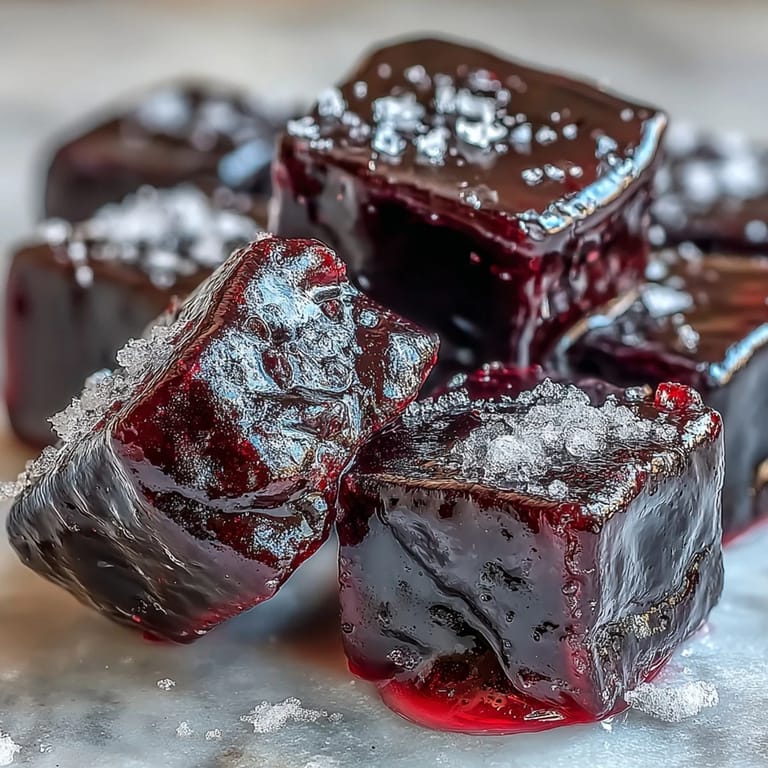
- Mix your confectioners sugar and cornstarch in a shallow bowl, dust your cutting board generously, then turn out the candy slab and cut it into 1-inch squares with a sharp, dry knife. Toss each piece in the coating to prevent sticking, which is both practical and creates that subtle shimmer that catches the light.
 Save
Save There was an afternoon when my daughter came home from school and found me standing at the counter, carefully cutting these candies into neat little squares. She asked what they were, and when I explained the whole process—the blooming gelatin, the precise temperature, the way flavors work together—she suddenly understood why cooking mattered to me.
The Magic of Licorice
Licorice is one of those flavors that people either love or avoid entirely, and I didn't fully understand it until I started cooking with it intentionally. The extract version is intense and concentrated, so those 1.5 teaspoons might seem small, but they're actually the difference between a subtle whisper and an overwhelming announcement. If you're nervous about it, start with 1 teaspoon and taste the mixture before committing—you can always add more, but you can't take it back once it's all mixed together.
Black Currant: The Tart Champion
Black currants aren't as common in American kitchens as they should be, which is a shame because their tartness is extraordinary. When you blend and strain them yourself, you get this concentrated, deep purple juice that's both beautifully intense and naturally balanced. If you can't find black currants where you live, blackberries or black raspberries work as substitutes, though they'll shift the flavor profile slightly toward berry sweetness rather than that unique currant bite.
Storage, Gifting, and Making Them Last
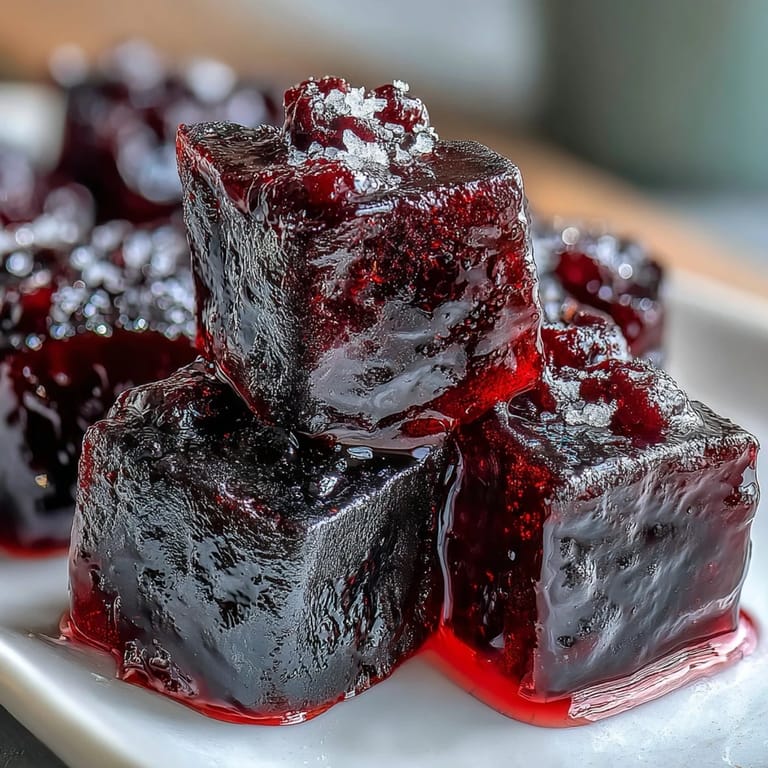
These candies keep beautifully in an airtight container for up to a week, tucked away in a cool corner of your pantry where they won't dry out or absorb moisture from the air. They also make incredible gifts because they look professional and taste luxurious, which means you can wrap them up and feel genuinely proud of what you've created. The confectioners sugar coating eventually dissolves slightly if they sit long enough, but that just means they start tasting more intensely of themselves, which isn't a bad thing at all.
- Pack them in small paper cups or parchment squares if you're gifting them, which keeps them from sticking to the container.
- Keep them away from humid kitchens or bathrooms, where the coating will start to dampen.
- If they do get a bit sticky after a few days, dust them again with the sugar-cornstarch mixture.
 Save
Save Making candy at home taught me that precision and patience aren't boring—they're what transform simple ingredients into something that feels genuinely special. These black currant and licorice candies are proof that sometimes the most memorable flavors come from unexpected combinations and the willingness to follow through.
Recipe FAQ Section
- → What gives the candy its unique tart flavor?
The tartness primarily comes from fresh or frozen black currant purée, providing a vibrant fruit base.
- → How is the chewy texture achieved?
Gelatin is bloomed and incorporated with a cooked sugar syrup, creating a firm yet chewy consistency once cooled.
- → Can alternatives to licorice extract be used?
Yes, anise extract can replace licorice extract for a similar aromatic depth, with adjustments to taste.
- → What is the purpose of dusting with confectioners sugar and cornstarch?
This coating prevents the candy pieces from sticking together and makes handling easier.
- → How long should the candy be cooled before cutting?
Allow the candy to set at room temperature for 1 to 2 hours until firm enough to cut into squares.