 Save
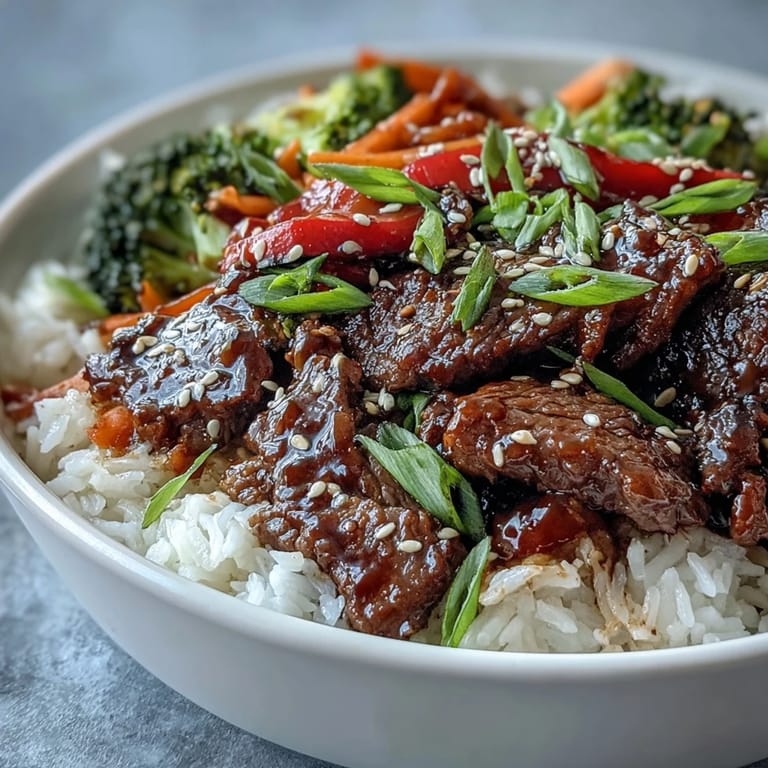
Save My skillet was smoking hot when I tossed in the beef, and the sizzle filled my tiny apartment kitchen with that unmistakable caramelized edge. I was cooking for a friend who'd just moved back from Tokyo, and I wanted something that tasted like comfort without pretending to be authentic. The teriyaki sauce bubbled thick and glossy in the pan, clinging to every slice of beef, and when I plated it over the rice, she smiled before she even took a bite. That moment taught me that some dishes don't need to be perfect—they just need to feel generous.
I made this on a Wednesday night when I was too tired to think but too hungry to order takeout. The vegetables were whatever I had left from the weekend market, and the beef was a last-minute grab from the butcher. As the sauce thickened and the kitchen filled with garlic and ginger, I realized I was actually enjoying the process instead of rushing through it. My partner wandered in, drawn by the smell, and we ended up eating at the counter straight from the skillet. It became our midweek reset meal after that.
Ingredients
- Flank steak or sirloin: Thin slices cook fast and soak up the teriyaki beautifully; freezing the beef for 20 minutes before slicing makes it easier to get paper-thin cuts.
- Cornstarch: Coating the beef helps it brown quickly and keeps it tender, while the slurry thickens the sauce to a perfect glaze.
- Soy sauce: The salty backbone of the teriyaki; I use low-sodium so I can control the seasoning without it getting too intense.
- Mirin: This sweet rice wine adds depth and a subtle tang that balances the soy and honey; don't skip it or the sauce tastes flat.
- Honey or brown sugar: Either works for sweetness, but honey gives a smoother finish and browns sugar adds a hint of molasses richness.
- Rice vinegar: A splash of acidity cuts through the richness and keeps the sauce from feeling too heavy.
- Garlic and ginger: Freshly minced and grated, these two bring warmth and aromatic punch that jarred versions just can't match.
- Vegetables: Carrots, bell pepper, and broccoli add color and crunch; julienned carrots cook faster and look more elegant in the bowl.
- Spring onions and sesame seeds: The green onions add a sharp freshness at the end, and sesame seeds give a nutty finish and visual pop.
- Cooked rice: Fluffy white or brown rice is the foundation; day-old rice works great if you have it, since it's less sticky.
Tired of Takeout? 🥡
Get 10 meals you can make faster than delivery arrives. Seriously.
One email. No spam. Unsubscribe anytime.
Instructions
- Make the teriyaki sauce:
- Combine soy sauce, mirin, honey, rice vinegar, garlic, and ginger in a small saucepan and bring to a simmer over medium heat. Whisk in the cornstarch slurry and let it bubble for 2 to 3 minutes until it coats the back of a spoon, then remove from heat.
- Prep the beef:
- Toss the sliced beef with 1 tablespoon of cornstarch in a bowl until every piece is lightly dusted. This step makes all the difference for browning and texture.
- Sear the beef:
- Heat vegetable oil in a large skillet or wok over high heat until it shimmers, then add the beef in a single layer and stir-fry for 2 to 3 minutes until browned and just cooked through. Remove the beef and set it aside on a plate.
- Stir-fry the vegetables:
- In the same skillet, toss in the carrots, bell pepper, and broccoli, stirring constantly for 3 to 4 minutes until they're tender but still have a bite. The residual beef flavor in the pan will season them naturally.
- Bring it together:
- Return the beef to the skillet, pour the teriyaki sauce over everything, and toss until every piece is glossy and coated. Let it heat through for about a minute so the flavors meld.
- Serve:
- Divide the hot rice among four bowls, spoon the beef and vegetables over the top, and garnish with sliced spring onions and a sprinkle of sesame seeds. Serve immediately while everything is steaming.
 Save
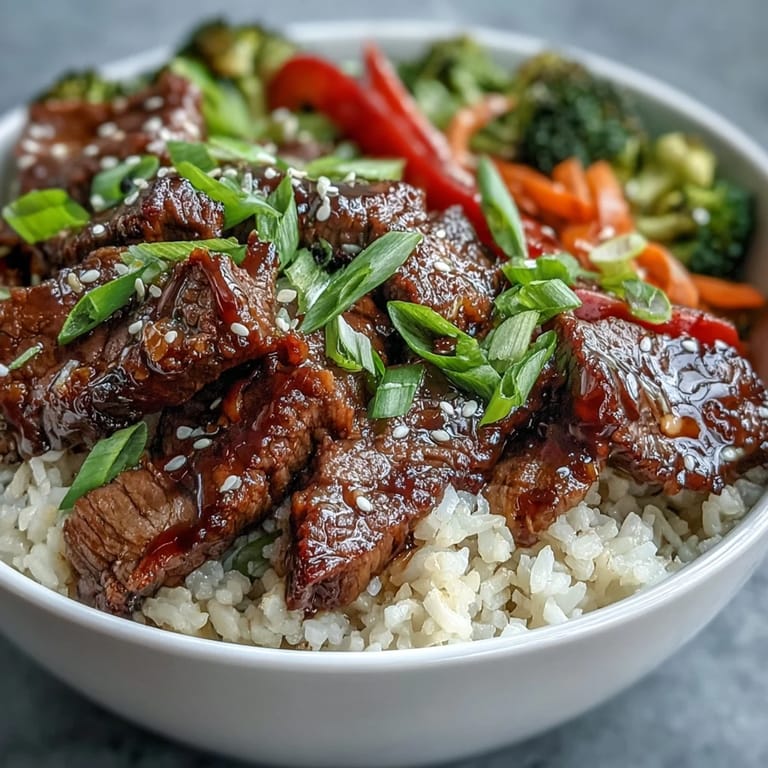
Save One evening, I served this to my sister who claimed she didn't like vegetables. She picked out a piece of broccoli, dripping with teriyaki, and paused mid-chew. Then she went back for another. By the end of the meal, her bowl was empty, and she asked for the recipe without a word about the greens. That's when I realized this dish had a quiet power—it made people forget their rules and just enjoy the moment.
Swapping Proteins and Vegetables
I've made this with chicken thighs, firm tofu, and even shrimp, and each version worked beautifully as long as I adjusted the cooking time. Chicken takes a bit longer to cook through, tofu benefits from pressing out the moisture first, and shrimp only needs a minute or two in the hot pan. For vegetables, snap peas, mushrooms, and edamame all fit the flavor profile; just add quicker-cooking items like greens or bean sprouts at the very end so they stay crisp. The teriyaki sauce is forgiving and coats everything with the same glossy sweetness, so don't be afraid to experiment with what's in season or on sale.
Making It Gluten-Free
Regular soy sauce contains wheat, but swapping it for tamari or a certified gluten-free soy sauce makes this dish safe for anyone avoiding gluten. I've used tamari many times and honestly prefer the cleaner, slightly less salty taste it brings to the teriyaki. Just double-check that your mirin is gluten-free as well, since some brands add additives, and make sure your cornstarch hasn't been processed in a facility that handles wheat. The flavor stays rich and balanced, and no one at the table will notice the difference unless you tell them.
Serving and Storing Leftovers
This bowl is best served immediately while the beef is tender and the vegetables still have a bit of snap, but leftovers reheat surprisingly well if you store the components separately. I keep the beef and vegetables in one container and the rice in another, then microwave them with a damp paper towel on top to keep everything moist. If the sauce has thickened too much in the fridge, a splash of water or broth brings it back to life when you reheat it on the stove. It holds up for about three days in the fridge, and I've even packed it cold for lunch and enjoyed it at room temperature.
- Use day-old rice if you have it; it reheats better and doesn't get mushy when you toss it with the sauce.
- Garnish with fresh spring onions and sesame seeds right before serving so they stay bright and crunchy.
- If you like heat, stir in a teaspoon of chili oil or sprinkle red pepper flakes over the finished bowl.
 Save
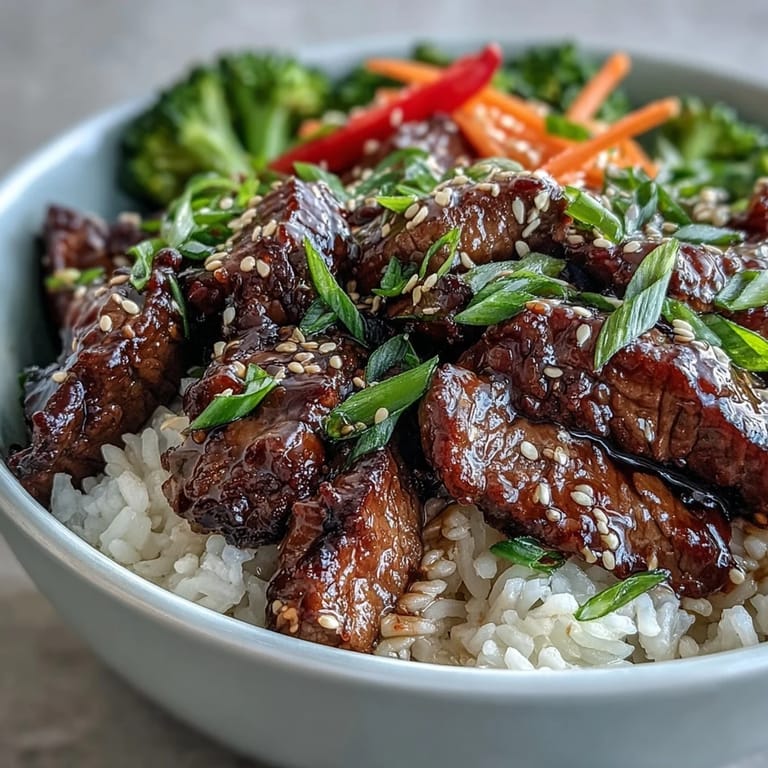
Save This bowl has become my answer to evenings when I want something satisfying without the fuss, and it never disappoints. I hope it finds a place in your rotation the way it has in mine.
Recipe FAQ Section
- → What cut of beef works best for teriyaki bowls?
Flank steak or sirloin are ideal choices because they're tender and slice beautifully against the grain. Look for well-marbled cuts that will remain juicy during quick stir-frying.
- → Can I make this gluten-free?
Absolutely. Swap regular soy sauce for tamari or a certified gluten-free soy sauce alternative. The cornstarch used for coating and thickening is naturally gluten-free, making this an easy adaptation.
- → How do I store leftovers?
Store components separately in airtight containers in the refrigerator for up to 3 days. Reheat the beef and vegetables gently in a skillet, adding a splash of water if the sauce has thickened too much. Rice can be reheated in the microwave.
- → Can I use pre-made teriyaki sauce?
While homemade sauce delivers the best flavor balance, store-bought teriyaki sauce works in a pinch. Just taste before adding—you may need to adjust with a bit of honey or rice vinegar to achieve the right sweet-tangy balance.
- → What vegetables work well in this bowl?
Beyond the classic carrots, bell peppers, and broccoli, try snap peas, edamame, shiitake mushrooms, or baby corn. The key is choosing vegetables that cook quickly and maintain a pleasant crunch after stir-frying.
- → Can I substitute the beef?
Chicken breast or thighs work beautifully with the same preparation. For a plant-based version, use extra-firm tofu pressed and sliced, or tempeh. Adjust cooking times accordingly—chicken may need a minute or two longer.