 Save
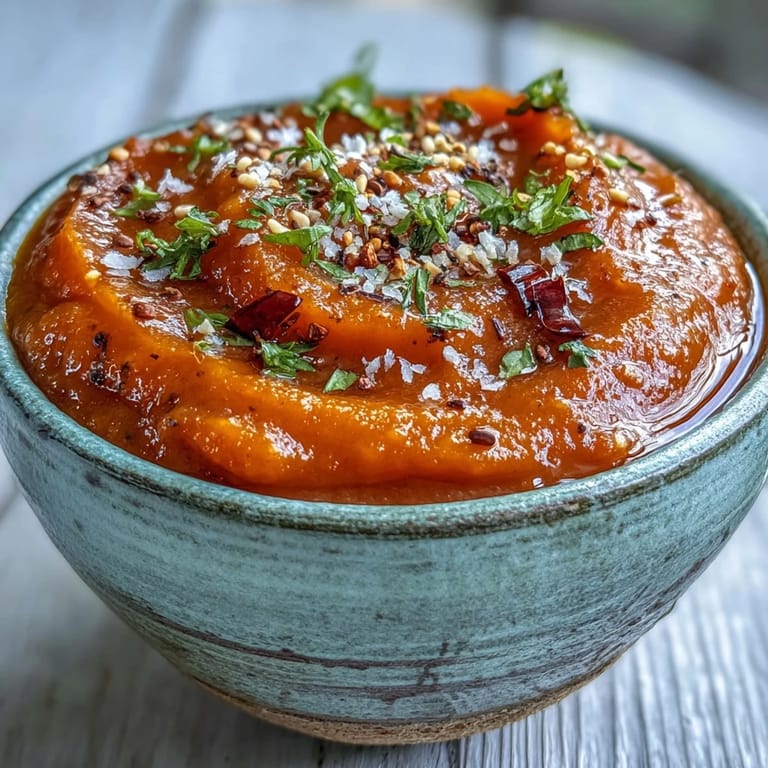
Save My aunt's kitchen in Chennai always smelled like fresh coconut and lime, but it was the sound of mustard seeds crackling in hot oil that told me she was making her famous guava chutney. I watched her move between the blender and the stovetop with such ease, as if the rhythm of grinding and tempering was second nature. One afternoon, she handed me a small bowl and said, "This is how we turn guavas into something magical." That simple chutney taught me that the best condiments don't need to be complicated—just intentional.
I made this chutney for a potluck once, bringing it alongside some store-bought dosa to taste-test, and two people asked for the recipe before they'd finished their plates. That's when I realized this wasn't just a side dish—it was the thing people actually remembered eating.
Ingredients
- Semi-ripe guavas (2, about 1½ cups chopped): The firmness matters here—too ripe and they'll lose their tangy bite, too green and they'll taste bitter. Look for guavas that yield slightly to pressure but still hold their shape.
- Fresh grated coconut (¼ cup): This adds a subtle sweetness and creamy texture that balances the heat from the chilies. If you can only find frozen, thaw it first and squeeze out excess moisture.
- Green chilies (1–2, chopped): Start with one if you're unsure about your heat tolerance—you can always add more at the blending stage.
- Ginger (1-inch piece, peeled and chopped): Fresh ginger gives the chutney a gentle warmth that lingers pleasantly at the back of your throat.
- Fresh coriander leaves (2 tablespoons, chopped): Don't skip this—it adds a brightness that ties everything together.
- Salt (½ teaspoon, or to taste): Salt is your seasoning anchor; taste as you go.
- Jaggery or brown sugar (1 teaspoon): Just enough sweetness to round out the tang without making the chutney taste like dessert.
- Lemon juice (1 tablespoon): This amplifies the tanginess and keeps the chutney tasting fresh even after a few days in the fridge.
- Coconut oil (1 tablespoon for tempering): The oil carries the spices' flavors and adds a subtle fragrance that ties the whole dish together.
- Mustard seeds (½ teaspoon): These pop and splutter when heated, releasing their nutty aroma—that sound is your signal the tempering is working.
- Urad dal (½ teaspoon, split black gram): It turns golden and crunchy when fried, giving the chutney texture and a slightly nutty flavor.
- Dried red chili (1): A whole chili adds visual appeal and a subtle spice without overwhelming the dish.
- Curry leaves (6–8): These become crispy and fragrant, adding an herbaceous note that's unmistakably South Indian.
- Asafoetida (a pinch, optional): This pungent spice might smell funky in the jar, but it dissolves into the chutney and deepens the savory flavor.
Tired of Takeout? 🥡
Get 10 meals you can make faster than delivery arrives. Seriously.
One email. No spam. Unsubscribe anytime.
Instructions
- Blend the base:
- Combine the guavas, coconut, green chilies, ginger, coriander, salt, jaggery, and lemon juice in your blender. Add 2–3 tablespoons of water and blend until completely smooth—you're looking for a consistency that's pourable but still substantial, like a thick sauce.
- Transfer to serving bowl:
- Pour the chutney into a clean bowl and set it aside while you prepare the tempering.
- Heat the oil:
- In a small pan over medium heat, warm the coconut oil until it shimmers slightly. You'll know it's ready when it smells fragrant.
- Temper the spices:
- Add the mustard seeds first and listen for them to pop and crackle—this usually takes 10–15 seconds. Then quickly add the urad dal, dried red chili, curry leaves, and asafoetida, stirring constantly until the dal turns golden and everything becomes fragrant, about 30 seconds more.
- Finish the chutney:
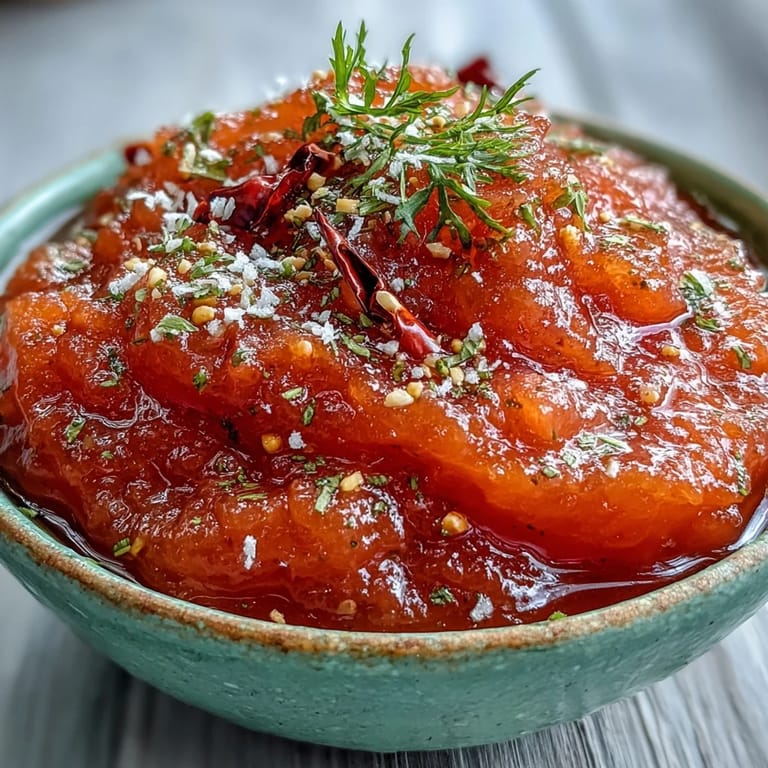
- Pour the hot tempering and its oil over the chutney and stir well to combine. The heat will slightly warm the chutney and meld all the flavors together.
 Save
Save There's something quietly satisfying about serving a condiment you made yourself, watching someone taste it and their eyes light up. That moment when a simple chutney becomes the reason someone says, "This meal tastes like home."
When to Make This (And Why)
Guava season is fleeting, usually arriving in late summer and early fall, so this is the time to make a batch. But honestly, semi-ripe guavas are becoming easier to find year-round, especially in Indian markets and increasingly in regular grocery stores. I make this chutney whenever I'm planning a South Indian breakfast—there's something about fresh chutney that makes even store-bought idli taste homemade.
Storage and Keeping
This chutney keeps for up to 3 days in the refrigerator in an airtight container, though the tempering will soften slightly as it sits. If you want to make it ahead, blend the base and store it separately from the tempering, then combine them just before serving. The flavors are brightest on the first day, but even on day three it's still delicious alongside leftovers.
Ways to Serve Beyond Breakfast
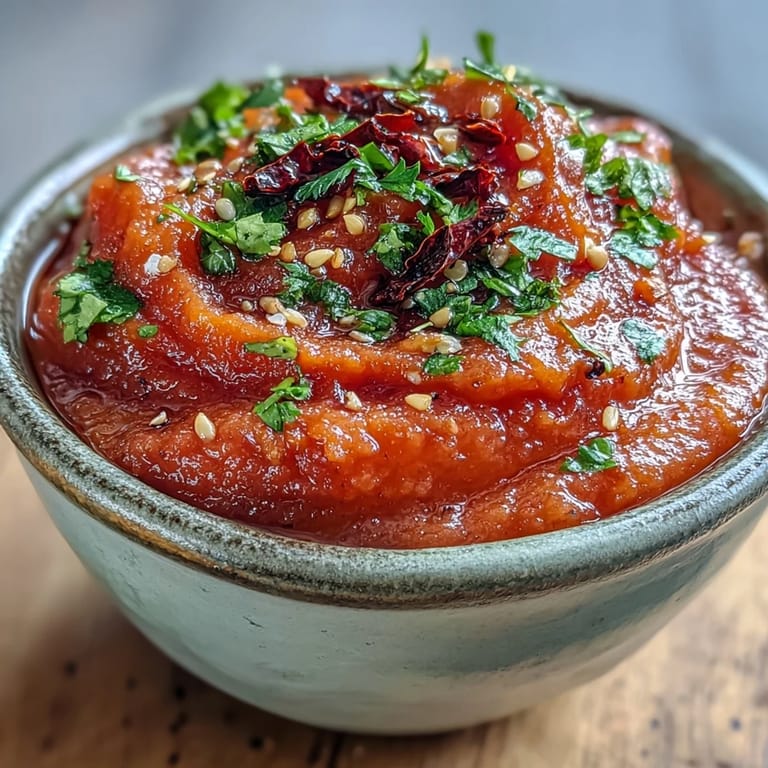
While guava chutney is a natural match for idli and dosa, I've discovered it works beautifully with so much more. Spread it on toast, dollop it alongside grilled vegetables, or serve it as a condiment with rice and curry. One evening, I used it as a dipping sauce for roasted cauliflower and it was so good I almost preferred it to the main dish. Think of it as a flavor multiplier that brings tang and spice to anything you pair it with.
- Mix a spoonful into yogurt or raita for an unexpected flavor boost that will surprise your dinner guests.
- Keep a jar in the fridge during the week and add a small amount to your lunch box—it transforms plain leftovers.
- If you're feeling experimental, thin it slightly with vinegar and use it as a salad dressing on greens or cooked vegetables.
 Save
Save This chutney proves that the most memorable flavors come not from complexity but from respect for each ingredient and intention in every step. Make it once and you'll understand why it's been a kitchen staple for generations.
Recipe FAQ Section
- → How should I store this chutney?
Store in an airtight container in the refrigerator for up to 3-4 days. The tempering helps preserve it longer. Bring to room temperature before serving.
- → Can I make this without coconut?
Coconut adds creaminess and authentic flavor. You can substitute with roasted peanuts or cashews for a different texture and taste profile.
- → What if my guavas are fully ripe?
Fully ripe guavas will make the chutney sweeter. Reduce the jaggery amount and add a squeeze of extra lemon juice to maintain the tangy balance.
- → Is the tempering essential?
Tempering adds crucial flavor and aroma. While you can skip it, the mustard seeds, curry leaves, and roasted dal significantly enhance the overall taste experience.
- → Can I freeze this chutney?
Yes, freeze in small portions for up to 2 months. Thaw overnight in the refrigerator and add fresh tempering before serving for best results.
- → What can I serve this with besides idli and dosa?
Excellent with vada, uttapam, appam, or as a spread in sandwiches. Also pairs well with steamed rice and a dollop of ghee.