 Save
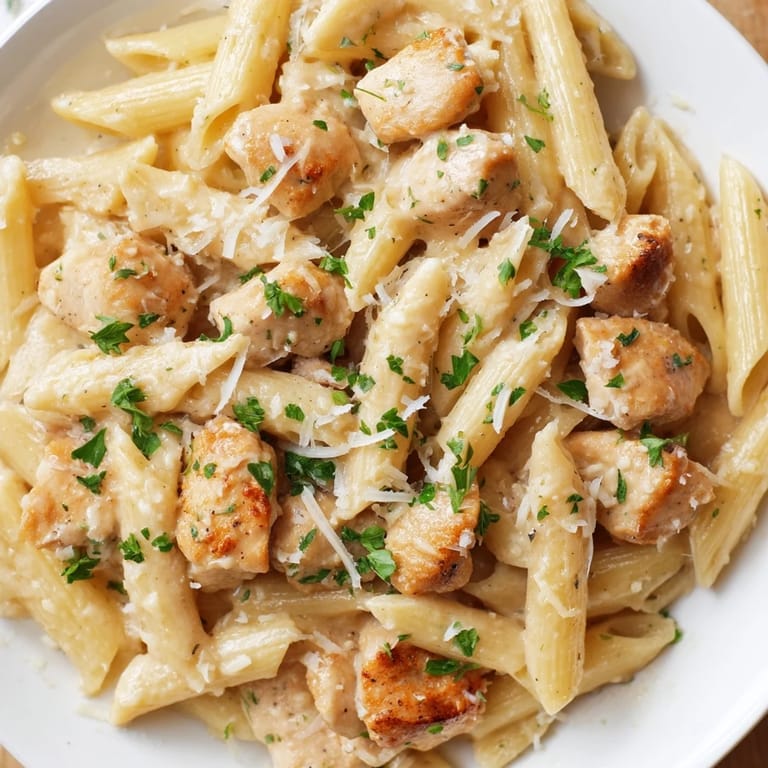
Save There's something about a weeknight when the fridge feels bare but you still want to deliver something that tastes like you actually tried. That's when this garlic Parmesan chicken pasta became my secret weapon, the dish I could build in one skillet while answering emails and half-listening to the radio. The first time I made it, I was genuinely shocked at how the pasta cooked right in the broth, soaking up all those flavors instead of sitting in plain water like usual. It felt like a small kitchen victory, the kind that made me feel a little bit like I knew what I was doing.
I made this for my neighbor Sarah one Thursday evening after she'd had a particularly brutal day at work, and I watched her face change the moment she took that first bite—like she'd been handed back something she didn't know she was missing. She asked for the recipe before she even finished her plate, which is the highest compliment a cook can get. Now whenever I make it, I think of that moment and how a simple bowl of pasta became exactly what someone needed.
Ingredients
- Chicken breasts: Two large ones, cut into pieces so they cook quickly and distribute evenly throughout the dish instead of leaving you hunting for chunks.
- Penne or rotini pasta: The shape traps the creamy sauce beautifully, but use whatever pasta makes you happy.
- Parmesan cheese: Freshly grated tastes sharper and dissolves more smoothly than the pre-grated kind, which has anti-caking agents that create a grainy texture.
- Heavy cream: This is what makes the sauce silky without being too heavy; half-and-half works if you want to lighten it slightly.
- Unsalted butter: A small amount adds richness and helps the garlic release its oils faster.
- Garlic and onion: Minced fine so they cook into the sauce rather than leaving chunks that can catch on your teeth.
- Fresh parsley: Adds a bright note at the end that keeps the dish from tasting one-dimensional.
- Chicken broth: Low-sodium lets you control the salt level and prevents the finished dish from tasting overly salty.
- Italian seasoning: A shortcut that tastes far better than reaching for five different dried herbs.
- Red pepper flakes: Optional but recommended; they add a whisper of heat that makes people ask what the secret ingredient is.
- Olive oil: Just enough to coat the pan and keep the chicken from sticking.
Tired of Takeout? 🥡
Get 10 meals you can make faster than delivery arrives. Seriously.
One email. No spam. Unsubscribe anytime.
Instructions
- Build your base:
- Heat the oil and butter together in a large, deep skillet over medium-high heat until the butter foams slightly and the pan smells rich. This takes about a minute and is worth waiting for.
- Sear the chicken:
- Season your chicken pieces generously and cook them until they develop a light golden crust, about 4 to 5 minutes of undisturbed time in the pan. You're not cooking them through completely; they'll finish cooking in the broth.
- Soften the aromatics:
- Pull the chicken out and set it aside, then add your chopped onion to the same pan where all those chicken drippings are waiting. After 2 minutes, add the minced garlic and let it toast for about 60 seconds until your kitchen smells incredible.
- Build the sauce base:
- Pour in the chicken broth and let it come to a boil, then stir in your uncooked pasta directly into the liquid. Reduce the heat to medium and let it simmer uncovered, stirring every couple of minutes, for about 10 to 12 minutes.
- Finish the sauce:
- Once the pasta is tender and most of the liquid is absorbed, reduce the heat to low and stir in the heavy cream first, then the grated Parmesan. Stir constantly so the cheese melts smoothly into the cream without clumping.
- Bring it together:
- Return the cooked chicken to the skillet, add the fresh parsley, and toss everything until the chicken is coated and heated through, about a minute or two. Taste and adjust your seasoning with salt, pepper, and red pepper flakes if you like a little kick.
- Serve:
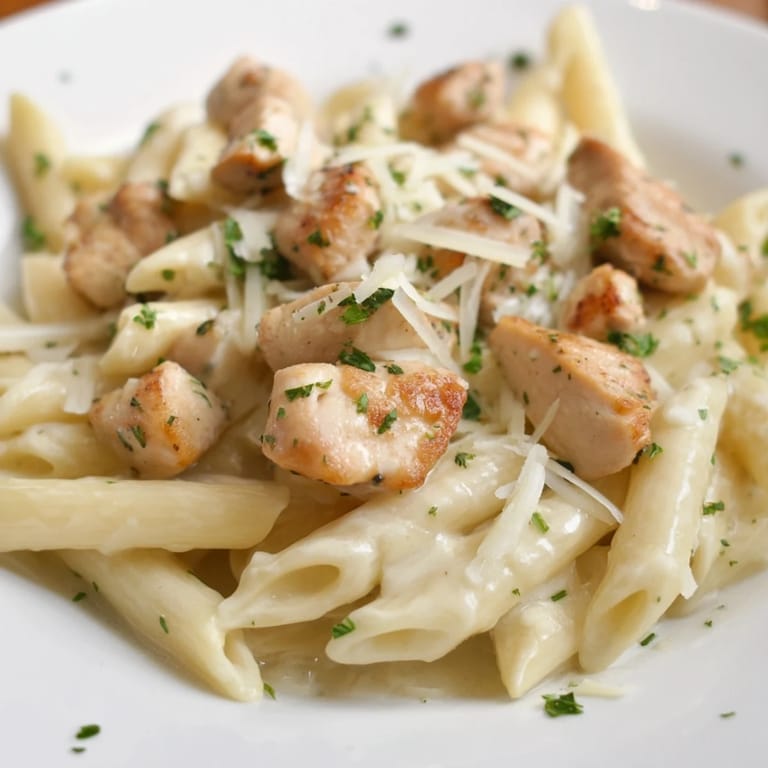
- Transfer to plates or bowls while everything is still hot, and finish with extra Parmesan and a pinch of parsley on top for color.
 Save
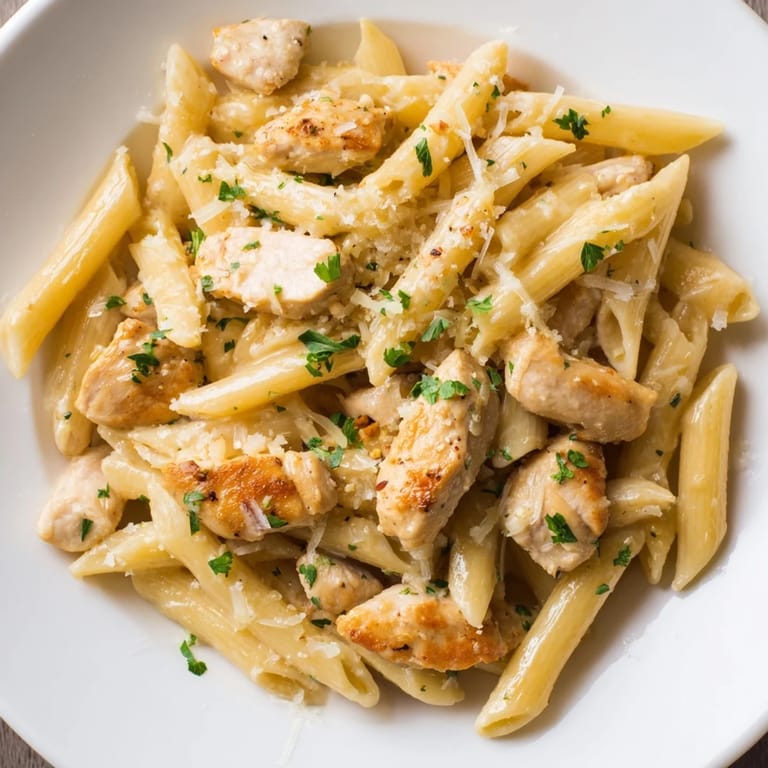
Save There's a moment about halfway through cooking this dish when you realize the kitchen smells completely different from when you started, when the minced garlic is perfuming everything and the chicken is sizzling, and you know that dinner is going to be good. That's when I stop what I'm doing and just stand there for a second, grateful for something that simple.
The One-Pan Magic
The beauty of cooking the pasta directly in the broth instead of boiling it separately is that every grain absorbs all those flavors as it softens. It's the kind of small technique shift that doesn't sound revolutionary until you try it, and then you wonder why every pasta dish doesn't work this way. The pasta becomes part of the sauce rather than something you drain and combine afterward, which means the final dish tastes intentional and cohesive instead of assembled.
Adjusting for Your Taste
This dish is forgiving in the best way. If you like more vegetables, throw in a handful of baby spinach or some sliced mushrooms when you add the onion and they'll wilt right into the sauce. If cream feels too heavy, swap in half-and-half and the dish stays creamy but a bit lighter. If you want to dial up the flavor, add a pinch more Italian seasoning or let that red pepper flakes do its job.
Pairing and Storage
This pasta pairs beautifully with a crisp green salad dressed with lemon and olive oil, which cuts through the richness and makes you feel balanced about the whole meal. A cold glass of Pinot Grigio alongside makes the evening feel a little less like a rushed weeknight and a little more like you're taking care of yourself. Leftovers reheat gently on the stovetop with a splash of broth or cream, and they're honestly almost better the next day when the flavors have settled.
- Serve this while it's hot so the creamy sauce coats the pasta properly.
- If you have leftovers, store them in an airtight container in the fridge for up to three days and add a splash of milk when reheating.
- This is the kind of dish that feels elegant enough to serve to guests but easy enough to make on a random Tuesday.
 Save
Save This is the kind of recipe that reminds you why cooking at home matters, why showing up in the kitchen with a handful of good ingredients and 30 minutes can feel like a gift to yourself and anyone lucky enough to eat with you. Make it once, and it'll become the dinner you turn to when you need something reliable and genuinely delicious.
Recipe FAQ Section
- → Can I use other pasta types?
Yes, penne or rotini works best, but other short pasta shapes like fusilli or rigatoni also cook well and hold the sauce nicely.
- → How do I prevent the sauce from separating?
Maintain low heat when adding cream and cheese, stirring gently until melted to ensure a smooth, creamy sauce without curdling.
- → Can I add vegetables to this dish?
Absolutely! Spinach, mushrooms, or bell peppers can be sautéed with onions to add texture and nutrition.
- → Is there a way to make this lighter?
Substitute half-and-half or milk for heavy cream and reduce butter slightly to lower fat content without sacrificing flavor.
- → What herbs complement the flavors here?
Fresh parsley enhances freshness, while Italian seasoning brings warmth. Basil or thyme can also be great additions.
- → Can I prepare this ahead of time?
Yes, prepare the components separately and combine before reheating gently on the stove to keep pasta tender and sauce creamy.