 Save
Save A friend handed me a jar of guava paste at the farmers market last summer with zero explanation, just a knowing smile. I stood in my kitchen that evening staring at this brick of tropical sweetness, wondering what on earth to do with it, when suddenly it hit me: barbecue sauce. Not the bottled kind with its one-note sweetness, but something alive with spices and that haunting tartness that makes you come back for more. That first batch was chaotic—too thick, then too thin, then somehow both—but when I finally got it right, I knew I'd stumbled onto something worth sharing.
My partner was skeptical when I mentioned tropical barbecue sauce—until I brushed it on chicken wings one Sunday and watched their whole face change. The way the spices hit first, then the tartness of vinegar, then that warm guava sweetness rolling through, it became the thing people asked about before asking about anything else at the table. That's when I realized this sauce was more than a condiment; it was a conversation starter.
Ingredients
- Guava paste: The soul of this sauce—use real guava paste from a Latin market if possible, as it's more authentic and less processed than jelly.
- Apple cider vinegar: This is your acid backbone; don't skip it or use regular vinegar, as the slight funkiness matters here.
- Smoked paprika: The smoke is what makes this taste like barbecue instead of dessert.
- Onion and garlic: Toast these first in olive oil to build a savory foundation that prevents the sauce from becoming one-dimensional.
- Brown sugar and molasses: The molasses adds depth that regular sugar can't touch; don't think of it as just sweetness.
- Dijon mustard: A small amount acts as a flavor amplifier and adds sophistication without tasting like mustard.
- Soy sauce or tamari: This hidden umami bomb is what makes people ask what's different about your barbecue sauce.
- Spice blend: Cumin, allspice, and cinnamon might sound unusual together, but they're what give this sauce its Caribbean edge.
Tired of Takeout? 🥡
Get 10 meals you can make faster than delivery arrives. Seriously.
One email. No spam. Unsubscribe anytime.
Instructions
- Build your flavor foundation:
- Heat olive oil over medium heat and add your onion, letting it soften into translucence before the garlic joins in. This step isn't just texture—it's where the sauce begins to smell like something worth tasting.
- Introduce the guava:
- Stir guava paste into water and vinegar, breaking it down slowly until it dissolves into the liquid like it's been there the whole time. You'll see the color shift to a rich amber.
- Add the spice profile:
- Pour in all your spices at once and stir constantly for about 30 seconds—this wakes them up and prevents them from clumping or scorching. Your kitchen should smell like a Caribbean beach crossed with a smoky grill.
- Balance sweetness and savory:
- Stir in brown sugar, molasses, mustard, and soy sauce, making sure everything dissolves evenly. Taste as you go; this is your last chance to adjust before cooking.
- Let it simmer and thicken:
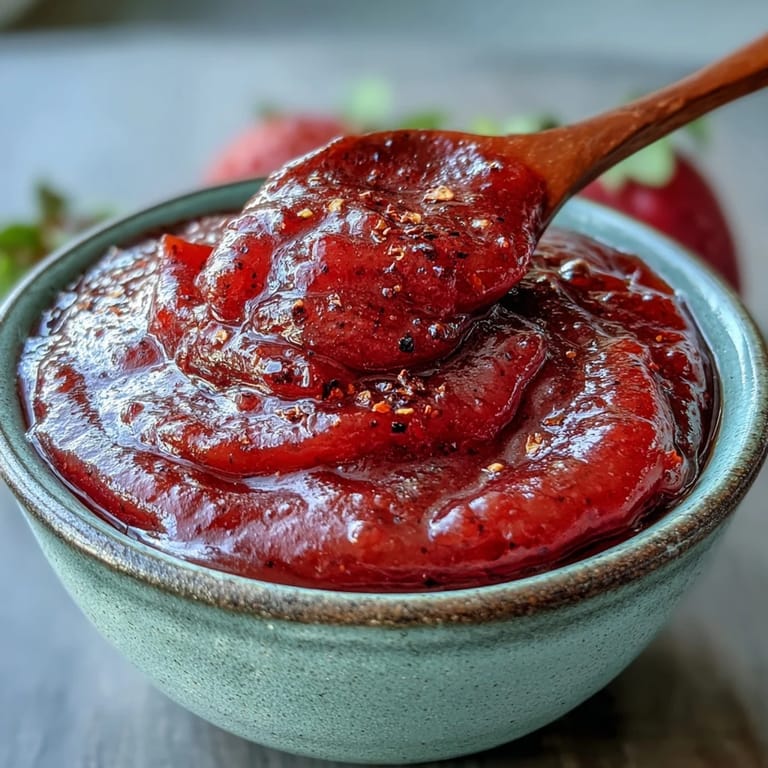
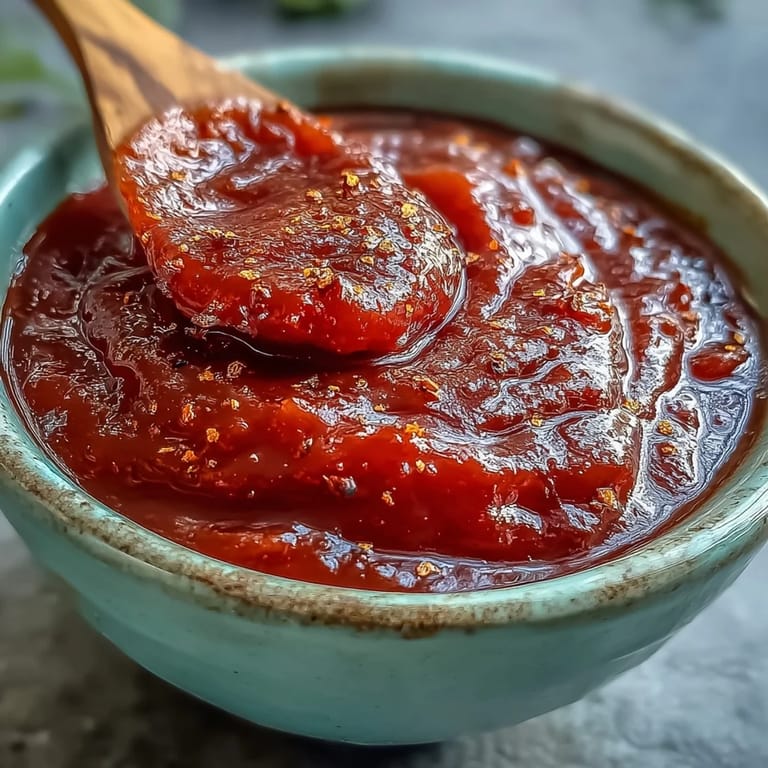
- Bring to a gentle simmer and reduce heat to low, stirring every few minutes for 15 to 20 minutes. You'll know it's ready when it coats the back of a spoon and pulls away from the pan sides.
- Smooth it out:
- Use an immersion blender to break down any remaining fiber from the guava paste, or transfer to a regular blender. This creates that glossy, restaurant-quality texture.
- Cool and store:
- Let it rest to room temperature, then jar it up for the refrigerator. It keeps for two weeks, though honestly, it usually doesn't last that long.
 Save
Save I brought this sauce to a potluck once in a small mason jar, almost apologizing for how unusual it was. By the end of the night, someone was scraping the bottom with a finger, and three people asked for the recipe. That's when I stopped thinking of it as an experiment and started thinking of it as something real.
When to Use This Sauce
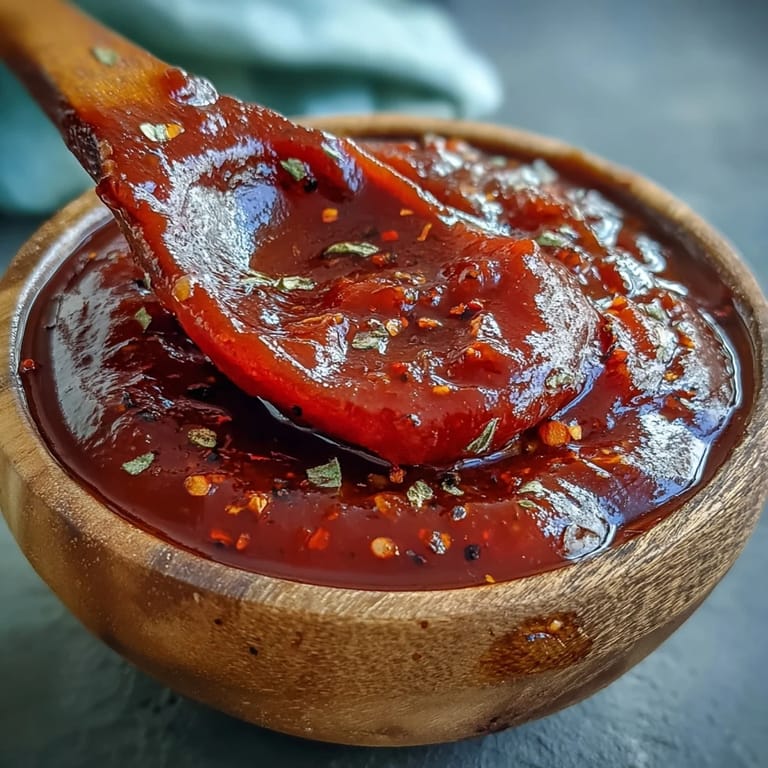
This isn't just for meat—I've brushed it on grilled pineapple, cauliflower steaks, and even spread it on a pulled jackfruit sandwich. The tropical sweetness plays beautifully with smoke from a grill or the char from a cast-iron skillet, and it's viscous enough to stick without running everywhere. Use it as a glaze in the last few minutes of cooking, a dip for appetizers, or a marinade base if you thin it slightly.
Adjusting Heat and Sweetness
If your crowd plays it safe with spice, start with half the chili powder and add more if needed after tasting. For sweetness, the guava paste already brings enough, so the brown sugar and molasses are there for balance, not intensity. Remember that flavors bloom and deepen as the sauce cools, so don't over-adjust while it's still warm.
Storage and Make-Ahead Magic
This sauce actually improves after a day or two in the fridge as flavors get to know each other. I make double batches and keep one going for taco nights, grilled chicken, or whenever I need something that tastes like I tried harder than I actually did. It freezes beautifully too—ice cube trays are your friend here.
- Store in a glass jar with a tight lid for maximum freshness and to avoid any plastic flavor transfer.
- Bring to room temperature before using if you've stored it cold, so the flavors wake up properly.
- Label your jar with the date because time flies when you're cooking, and you'll want to know how long it's been sleeping in there.
 Save
Save There's something satisfying about making something from a list of ingredients that most people have never thought to combine, and ending up with something that tastes like it took hours when it barely took 30 minutes. That's this sauce—a little bit of kitchen magic disguised as simplicity.
Recipe FAQ Section
- → Can I use guava jelly instead of paste?
Yes, guava jelly works as a substitute. Since jelly is sweeter than paste, reduce the brown sugar by half to maintain the perfect balance of flavors.
- → How long does this sauce keep in the refrigerator?
When stored in a clean, airtight jar in the refrigerator, this sauce stays fresh for up to 2 weeks. The acidity from vinegar helps preserve it naturally.
- → What dishes pair best with guava BBQ sauce?
This versatile sauce complements grilled chicken, pork chops, shrimp, and burgers beautifully. It also works wonderfully with roasted vegetables, grilled tofu, or as a unique condiment for sandwiches.
- → Can I make this sauce spicier?
Absolutely. Increase the crushed red pepper flakes, add extra chili powder, or stir in your favorite hot sauce during the final minutes of cooking to adjust the heat level to your preference.
- → Why blend the sauce at the end?
Blending creates a smooth, glossy texture by incorporating the softened onions and garlic while ensuring the guava paste is fully dissolved into the liquid for a consistent finish.
- → Is this sauce gluten-free?
Yes, simply substitute regular soy sauce with gluten-free tamari to make this sauce completely gluten-free while maintaining its rich umami flavor.