 Save
Save I discovered Green Goddess pasta on a Tuesday when my friend texted asking if I could make something that didn't taste like winter. It was mid-March, the kind of day where you open your fridge hoping the fresh herbs you bought last week haven't wilted yet, and they hadn't. I blended them with some yogurt and mayo, tossed it with hot pasta, and suddenly my kitchen smelled like a garden in the best way possible. She came over that night, took one bite, and asked for the recipe before she'd even finished her first bite.
My mom made this for a potluck last summer and people actually asked if she'd hired a caterer. She didn't tell them it was just blended greens and yogurt because she liked watching them figure it out themselves. By the time anyone realized how simple it was, they were already asking if they could take the recipe home.
Ingredients
- Baby spinach (2 cups packed): This is your sauce's backbone—use the tender, pre-washed kind and pack it down in your measuring cup so you're not adding water.
- Green cabbage (1 cup chopped): It adds a slight sweetness and body that keeps the sauce from feeling too soft, plus a subtle crunch if you don't over-blend.
- Fresh parsley (1/2 cup): Use the flat-leaf kind if you can find it; it has more flavor than curly and blends smoother.
- Fresh basil (1/2 cup): Pick it the day you cook or strip the leaves from your plant in the morning when the oils are strongest.
- Fresh chives (1/4 cup): They disappear into the sauce but add a whisper of onion that makes everything taste more complete.
- Fresh tarragon (1/4 cup, optional): This is the secret weapon—it tastes almost licorice-like and transforms the sauce from nice to memorable if you can find it.
- Garlic (2 cloves): Two is enough; more and it overpowers the delicate herbs, trust me on this one.
- Green onions (2, chopped): Both the white and green parts matter here—the white adds bite, the green adds freshness.
- Avocado (1 small, peeled and pitted): This sounds fancy but it just makes the sauce luxurious without adding cream; pick one that yields slightly to pressure.
- Greek yogurt or sour cream (1/2 cup): Greek yogurt is tangier and keeps things lighter, sour cream is more indulgent—I use whichever I have on hand.
- Mayonnaise (1/4 cup): This is the emulsifier that keeps everything smooth and prevents the sauce from breaking when it hits hot pasta.
- Parmesan cheese, grated (1/4 cup): Grate it fresh if you can; the pre-grated stuff has cellulose that makes the sauce slightly grainy.
- Lemon juice, freshly squeezed (2 tablespoons): Fresh is essential here—bottled tastes thin and one-note by comparison.
- White wine vinegar (1 teaspoon): Just a touch to wake up the flavors and balance the richness.
- Olive oil (1/4 cup): Use something you actually like drinking—the flavor comes through.
- Salt and black pepper: Start with 1/2 teaspoon salt and 1/4 teaspoon pepper, then taste and adjust.
- Red pepper flakes (pinch, optional): For people who like a gentle heat creeping in at the end.
- Dried pasta (12 oz): Linguine, spaghetti, or penne all work beautifully—I use whatever's been sitting in my cabinet longest.
Tired of Takeout? 🥡
Get 10 meals you can make faster than delivery arrives. Seriously.
One email. No spam. Unsubscribe anytime.
Instructions
- Get the pasta going:
- Fill a large pot with salted water (it should taste like the sea) and bring it to a rolling boil. Add your pasta and cook according to the package instructions until al dente—you want it to have a little resistance when you bite it. While it's cooking, scoop out about half a cup of the starchy cooking water into a mug, then drain the rest.
- Blend the sauce:
- Dump the spinach, cabbage, parsley, basil, chives, tarragon if you're using it, garlic, green onions, avocado, yogurt, mayo, Parmesan, lemon juice, vinegar, olive oil, salt, and pepper into your blender or food processor. Blend until it's completely smooth and creamy, stopping to scrape down the sides a few times so nothing hides at the bottom.
- Adjust the consistency:
- If your sauce looks too thick, add the reserved pasta water one tablespoon at a time until it reaches a pourable consistency—you want it to coat the noodles without pooling. Taste it now and adjust the salt, pepper, or lemon juice to your liking.
- Bring it together:
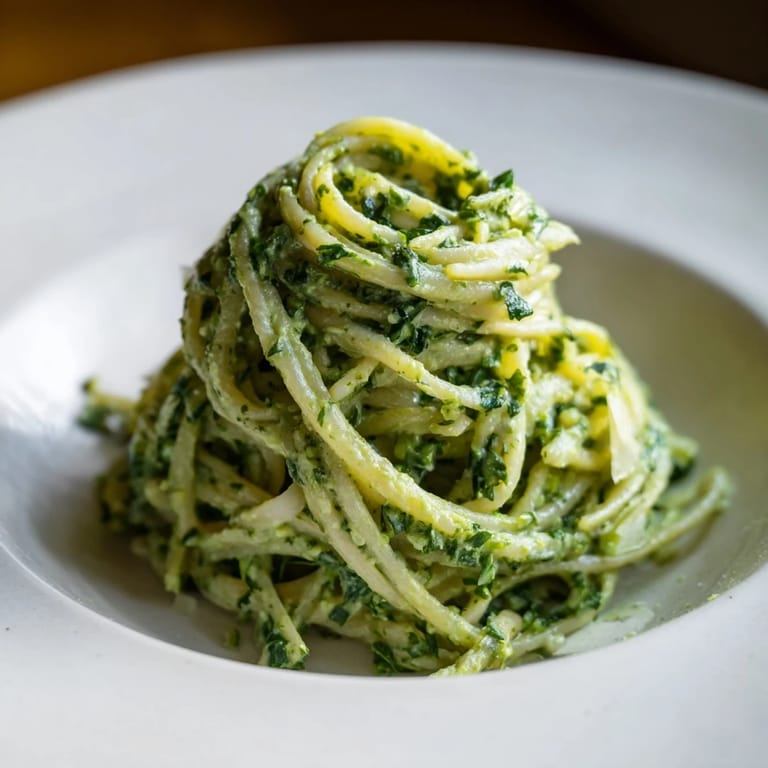
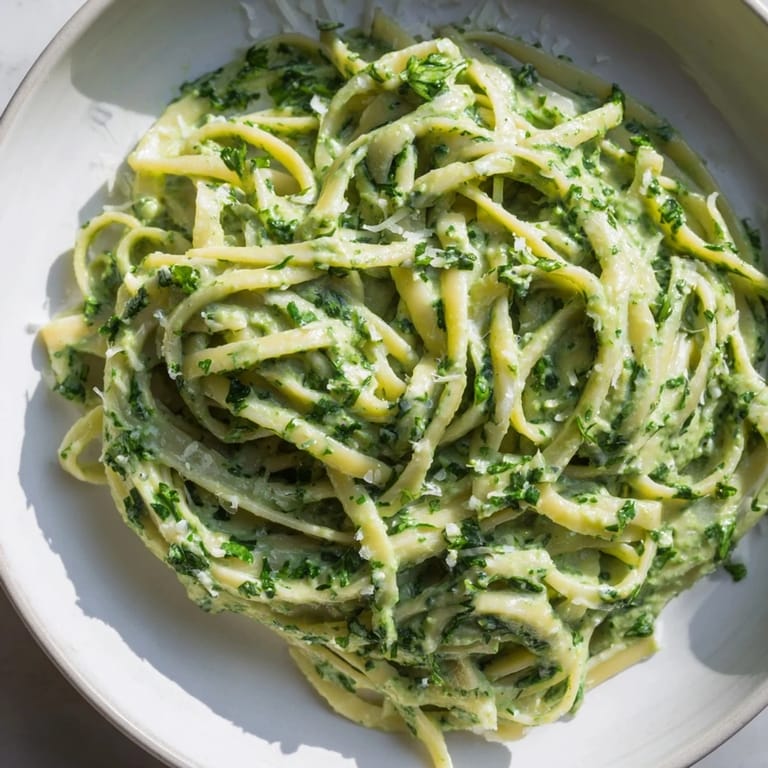
- Add the hot drained pasta to a large bowl or back to the pot, pour the green goddess sauce over it, and toss everything together until every strand is coated in that gorgeous green sauce. Serve right away while the pasta is still warm and the sauce hasn't cooled down.
 Save
Save The first time I served this to my partner's parents, his mother went quiet for a moment and then said it tasted like summer they'd never actually had. That kind of comment stays with you—it meant I'd captured something beyond just food, something that felt like a memory even if they'd never eaten it before.
Why This Sauce Works Every Time
The magic here is that you're building flavor in layers before the pasta ever touches the heat. The yogurt and mayo don't just add creaminess—they act as anchors for all those bright green flavors, holding them together while the lemon juice and vinegar keep everything from tasting heavy. The avocado dissolves almost completely, adding richness without making you feel like you're eating mashed fruit. By the time hot pasta hits the sauce, everything is balanced and ready to coat every strand perfectly.
Ways to Make It Your Own
This sauce is forgiving enough to adapt to what you actually have on hand. Missing tarragon? Add dill or more basil—it'll taste completely different but equally good. Don't have an avocado or want to skip it? The sauce works fine without it, just a hair less creamy. Cold leftover pasta with this sauce becomes an entirely different meal, better suited to picnics or quick lunches than the warm version.
Serving and Storage
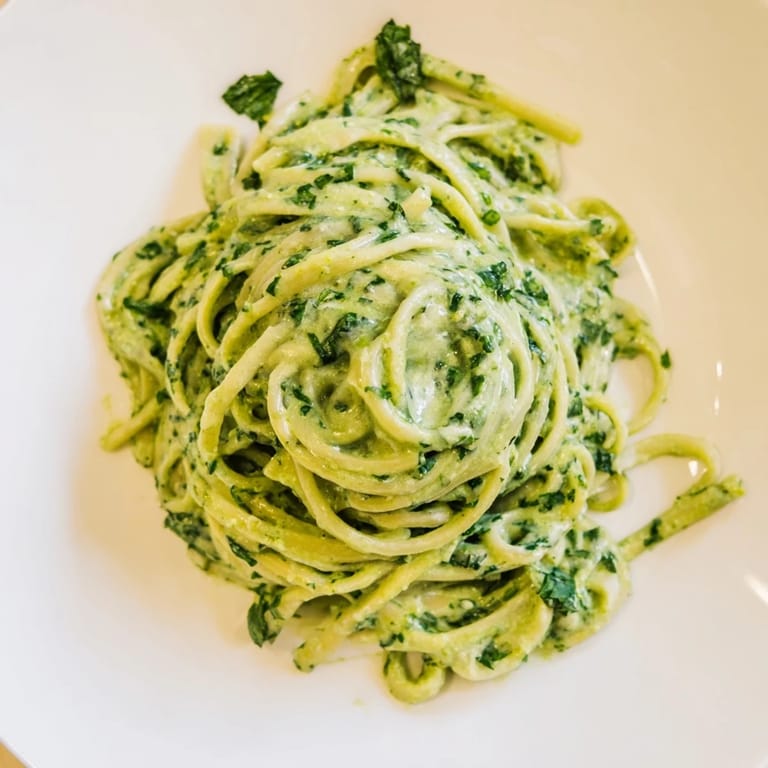
Eat this immediately while the pasta is still warm and the sauce hasn't split from the heat—that's when it's at its best. Any leftovers should go into an airtight container in the fridge where they'll last three days, though honestly I've never had leftovers last that long. If you do want to make it ahead, blend the sauce and store it separately from the cooked pasta, then toss them together just before serving.
- Garnish with extra fresh herbs and more Parmesan if you want to make it look special.
- A squeeze of lemon juice right before serving brightens everything up again.
- Pairs beautifully with cold white wine like Sauvignon Blanc or Grüner Veltliner if you're in the mood.
 Save
Save This sauce has a way of making you feel like you've done something impressive without actually having done anything complicated. That's the kind of recipe worth keeping around.
Recipe FAQ Section
- → What herbs are featured in the sauce?
The sauce includes fresh parsley, basil, chives, tarragon (optional), and baby spinach for a bright herbaceous profile.
- → Can the sauce be made vegan?
Yes, by substituting plant-based yogurt, vegan mayonnaise, and omitting or replacing Parmesan with a vegan alternative.
- → How should the sauce be thinned if too thick?
Reserved pasta cooking water can be added gradually to achieve a smooth, pourable consistency.
- → Is this sauce best served warm or cold?
It works well both warm tossed with freshly cooked pasta or chilled as a light pasta salad dressing.
- → What pasta types complement this sauce?
Long noodles like linguine, spaghetti, or shapes like penne pair well, allowing the creamy sauce to coat evenly.