 Save
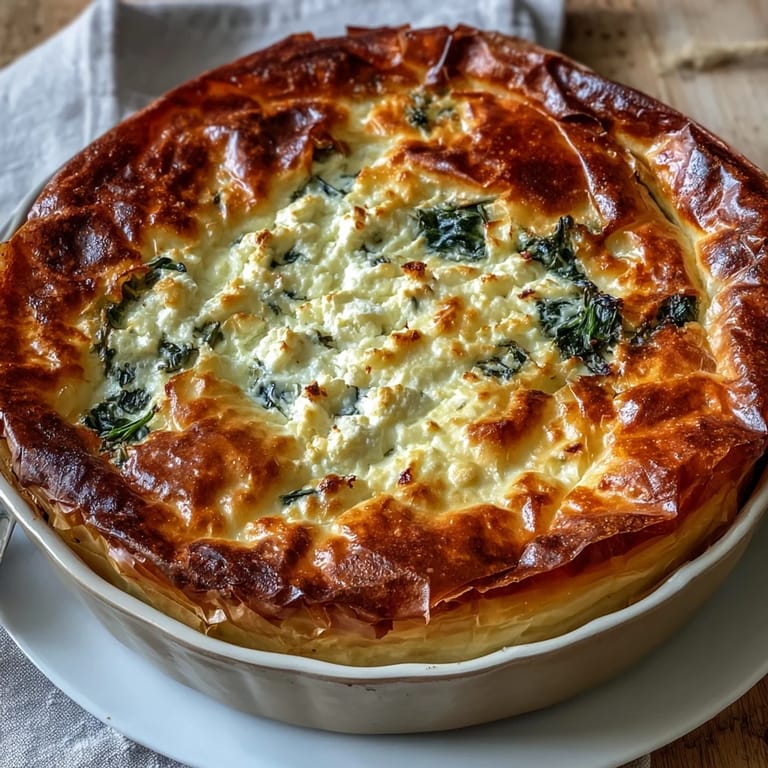
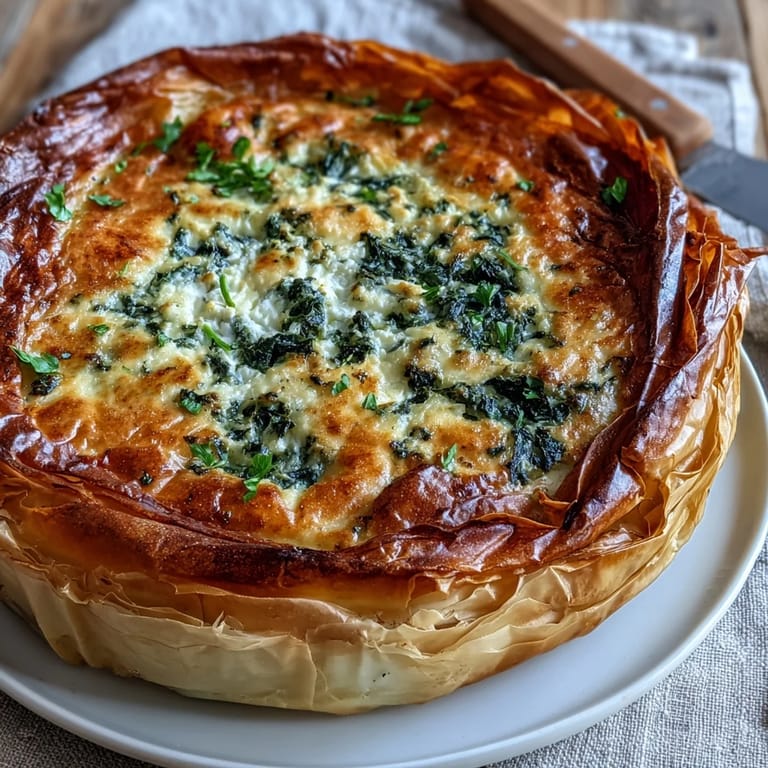
Save My neighbor Maria handed me a warm slice of börek through her kitchen window one autumn morning, and I was instantly transported to Istanbul without leaving my backyard. The pastry shattered between my teeth, giving way to this incredible combination of tangy feta and tender kale that somehow felt both comforting and elegant. She refused to share her exact recipe that day, but months later I finally cracked the code by experimenting in my own kitchen. What started as curiosity became obsession—I've made this at least a dozen times since, tweaking and refining until it tasted just right. Now it's the dish I reach for whenever I want to impress without spending hours in the kitchen.
I made this for a dinner party last spring when a friend mentioned she'd been craving Turkish food but couldn't find a good place nearby. Watching four people go silent for a moment after their first bite, then immediately ask for seconds, reminded me why I love cooking—it's those small moments of pure joy that make the effort worthwhile. The börek disappeared faster than I could plate it, and someone actually asked if I'd be making it again soon.
Ingredients
- Fresh kale, 250 g with stems removed and chopped: Kale holds up beautifully to cooking without turning into mush, and its slight bitterness balances the salty feta perfectly—don't skip the stem removal though, they're tough and unpleasant.
- Medium onion, 1 finely chopped: The onion becomes sweet and almost melts into the filling, providing a subtle backbone that you won't consciously taste but will absolutely notice if it's missing.
- Garlic cloves, 2 minced: Fresh garlic is crucial here—jarred garlic tastes tinny by comparison and can overpower the delicate cheese balance.
- Feta cheese, 200 g crumbled: Use real Greek or Bulgarian feta if you can find it; the crumbly blocks from the cheese counter taste infinitely better than pre-crumbled versions that contain anti-caking agents.
- Ricotta cheese, 100 g: This creates a creamier texture than feta alone, preventing the filling from becoming too dense or grainy once baked.
- Filo pastry sheets, 8: Keep them covered with a damp towel while working—even a few minutes of air exposure will make them brittle and impossible to layer without tearing.
- Large eggs, 3: These bind everything together and create a custard-like consistency that holds the filling together when you slice.
- Whole milk, 100 ml: The milk keeps the egg mixture silky rather than rubbery, and it dilutes the cheese slightly so flavors stay balanced.
- Olive oil, 50 ml plus extra for brushing: Good olive oil matters more than you'd think—cheap oil can taste bitter when heated, so use something you actually enjoy eating.
- Ground black pepper, 1/2 tsp: Freshly cracked pepper tastes sharper and more alive than pre-ground, which loses its punch after a few months in the cabinet.
- Nutmeg, 1/4 tsp optional: Just a whisper of nutmeg adds warmth and complexity without announcing itself—think of it as a secret ingredient that makes people wonder what makes this taste so good.
- Fresh dill, 1 tbsp chopped optional: Dill is traditional in Turkish börek and brings a bright, herbal note that elevates the whole dish, though you can skip it if you're dill-averse.
- Sea salt, 1/2 tsp adjusted to taste: Taste the filling before baking and adjust salt carefully—feta is already salty, and over-salting ruins everything.
Tired of Takeout? 🥡
Get 10 meals you can make faster than delivery arrives. Seriously.
One email. No spam. Unsubscribe anytime.
Instructions
- Prepare your workspace:
- Preheat your oven to 180°C and lightly grease a 23 cm tart dish with olive oil, making sure to get into the corners and edges. This prevents sticking and creates a golden crust on the bottom.
- Sauté the vegetables:
- Heat 1 tablespoon olive oil in a large skillet over medium heat and cook the onion until it turns soft and translucent, about 4 minutes—you'll know it's ready when it becomes fragrant and the edges start to look golden. Add the garlic and kale, stirring frequently for 3-5 minutes until the kale is completely wilted and any liquid it releases has mostly evaporated.
- Make the filling:
- In a large bowl, whisk together eggs, milk, and 50 ml olive oil until well combined and slightly frothy. Add the cooled kale mixture, then stir in the feta, ricotta, black pepper, nutmeg, dill, and sea salt, folding gently so you don't overwork the mixture—you want creamy filling, not separated eggs.
- Layer the filo base:
- Take one sheet of filo and lay it in your prepared dish, allowing the edges to overhang the sides slightly. Brush it very lightly with olive oil using a pastry brush—you want just enough to coat it, not drench it. Repeat this process with three more sheets, rotating them slightly each time so edges don't line up and create thick spots.
- Add the filling:
- Spoon the kale and cheese mixture evenly over your filo base, spreading it gently to the edges but not pressing down too hard. Leave about 2 cm of overhang all around.
- Seal the top:
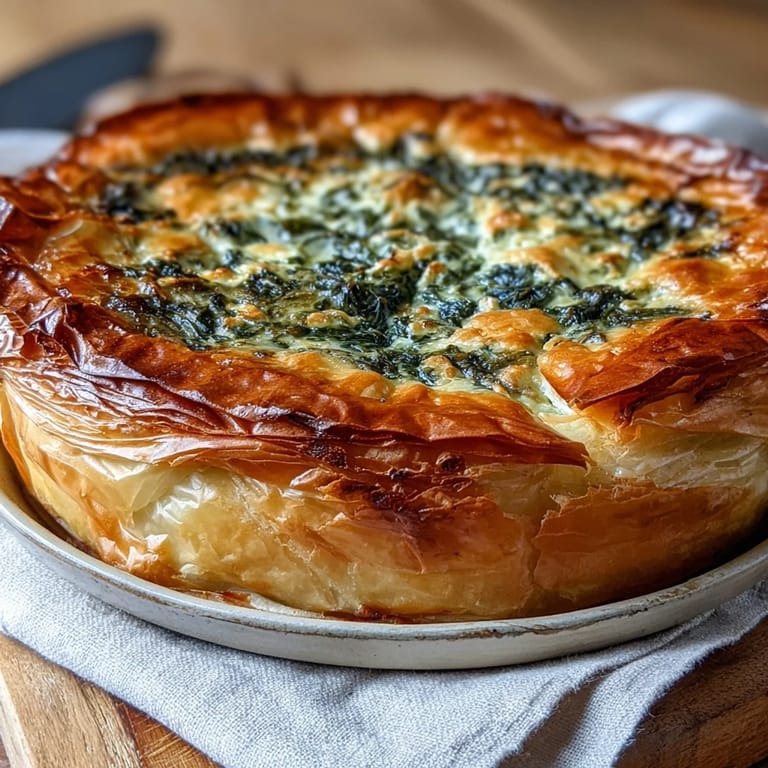
- Layer the remaining four filo sheets on top, brushing each with oil just as you did with the base, rotating slightly for even coverage. Once all four sheets are in place, fold the overhanging edges up and over the top, tucking them in like you're wrapping a present—this creates a sealed edge that gets wonderfully crispy. If you like, score the top gently with a sharp knife to mark six or eight serving portions, but don't cut all the way through.
- Bake until golden:
- Place the tart in your preheated oven and bake for 30-35 minutes, until the pastry is deep golden brown and sounds crispy when you tap it lightly with a spoon. You'll smell the cheese getting toasty and the pastry turning crackling-crisp—that's your signal that it's almost done.
- Rest before serving:
- Remove from the oven and let it cool for 10 minutes—this allows the filling to set slightly so it won't fall apart when you cut. Cut along your score lines if you made them, and serve while it's still warm and the pastry is at its crispiest.
 Save
Save What I love most about making this dish is how it transforms my kitchen into this warm, fragrant space where garlic and nutmeg and cheese mingle in the air. There's something deeply satisfying about folding that filo and watching it puff up golden in the oven, knowing that in thirty minutes you're going to serve something that looks like you spent all day on it but really only took your hands about twenty minutes of actual work.
The Secret to Crispy Filo
Crispy filo is honestly about one thing: not being stingy with the oil. I know it feels counterintuitive—shouldn't less oil mean fewer calories and lighter pastry? But here's what I've learned: filo needs enough oil to puff up and create those paper-thin, shattered layers that make the whole dish special. Too little oil and you get a sad, leathery pastry that's actually kind of unpleasant to eat.
Why This Works as Both Lunch and Appetizer
This börek sits in this wonderful middle ground where it feels substantial enough to be a main course with just a side salad and some bread, but it's also elegant enough to slice into smaller pieces and serve at parties or as an appetizer. I've taken it both ways to different gatherings and people always respond the same way—they eat it, ask for the recipe, and then ask if I'm making it again next week.
Variations and Make-Ahead Tips
One of my favorite things about this recipe is how forgiving it is with substitutions and timing. Spinach or Swiss chard work beautifully in place of kale if that's what you have on hand, and honestly the filling tastes even better if you make it a day ahead and let the flavors get to know each other overnight. You can also assemble the entire börek up to the baking point, cover it tightly with plastic wrap, and freeze it for up to three months—just add five to ten minutes to the baking time if cooking from frozen.
- For a spicy version, sprinkle red pepper flakes into the filling and it becomes something entirely different but equally addictive.
- If serving this for guests, slice it while warm but let it rest on a platter for a few minutes so the filling sets and you won't have cheese and kale spilling out when people cut into it.
- Serve with a simple green salad dressed with lemon and olive oil, and if you're feeling fancy, a crisp white wine like Sauvignon Blanc pairs beautifully.
 Save
Save This börek has become one of those recipes that feels like a small gift I give to people I cook for, and every time I make it I'm grateful for that first slice Maria handed me through her kitchen window. It's become my version of her recipe, with my own tweaks and timing, and somehow that feels exactly right.
Recipe FAQ Section
- → Can I substitute the kale with other greens?
Yes, spinach or Swiss chard work wonderfully in place of kale. Simply wilt them the same way and drain any excess moisture before mixing with the cheese filling.
- → How do I prevent the filo pastry from drying out?
Keep unused filo sheets covered with a slightly damp kitchen towel while assembling the börek. Work quickly and brush each layer generously with olive oil to maintain moisture and achieve a crispy texture.
- → Can I make this börek ahead of time?
Yes, assemble the börek completely, cover tightly with plastic wrap, and refrigerate for up to 24 hours before baking. You may need to add 5 extra minutes to the baking time if baking directly from the fridge.
- → What wine pairs best with this dish?
A crisp, dry white wine like Sauvignon Blanc or an unoaked Chardonnay complements the savory feta and kale filling beautifully. For a non-alcoholic option, try sparkling water with lemon.
- → How should I store leftover börek?
Store leftovers in an airtight container in the refrigerator for up to 3 days. Reheat in a 160°C oven for 10-15 minutes to restore the pastry's crispness. Avoid microwaving, as it will make the filo soggy.
- → Can I freeze this börek?
Yes, freeze the unbaked assembled börek tightly wrapped for up to 2 months. Bake directly from frozen, adding 10-15 minutes to the cooking time. Alternatively, freeze baked slices and reheat in the oven.