 Save
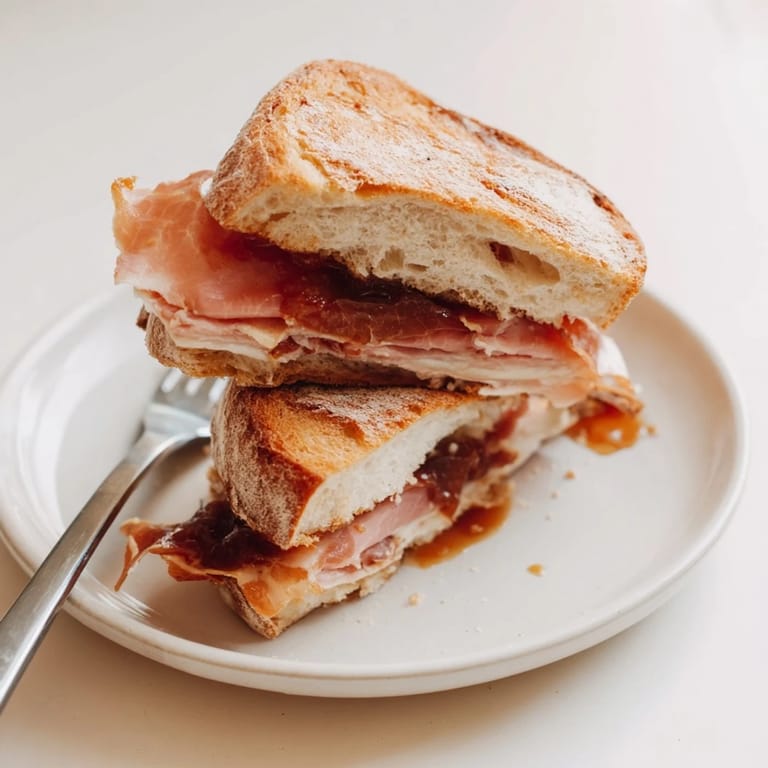
Save There's something about the smell of butter hitting a hot pan that makes you feel like you're in a proper Italian kitchen, even if you're just standing in front of your stove with yesterday's dishes still in the sink. I discovered this panini completely by accident one afternoon when I had some prosciutto left over from a charcuterie board and a jar of fig jam that seemed too fancy to waste on toast. The moment that first crispy, cheese-filled sandwich came out of the press, with the fig and prosciutto creating this unlikely sweet-and-salty conversation, I understood why Italians take their sandwiches so seriously.
I made these for my sister the day after she'd moved into a new place with zero furniture and an oven she'd yet to use, so we sat on her kitchen floor with these warm, crispy sandwiches and a bottle of wine, and it felt like the realest housewarming gift. She still texts me about that panini, which says everything about how much this recipe delivers even in the most chaotic circumstances.
Ingredients
- Rustic Italian bread (ciabatta or sourdough): Use something with actual structure that can handle pressing without collapsing—the bread is doing half the work here, so don't skimp on quality.
- Fig jam: The sweetness cuts through the salt of the prosciutto and creates this moment of balance with every bite; quality matters more than quantity.
- Fontina cheese: It melts beautifully and adds a subtle nuttiness that elevates the whole thing, though mozzarella works if that's what you have.
- Prosciutto: Thin, delicate slices that get just slightly crispy at the edges when pressed; this is the main flavor driver, so taste it first.
- Unsalted butter: Softened butter on the outside creates that golden crust you're after, and unsalted gives you control over the salt level.
Tired of Takeout? 🥡
Get 10 meals you can make faster than delivery arrives. Seriously.
One email. No spam. Unsubscribe anytime.
Instructions
- Get your press ready:
- Heat a panini press or large skillet over medium heat so it has time to actually get hot; a cold pan will steam your sandwich instead of crisping it.
- Spread the jam:
- Use 1.5 tablespoons of fig jam on each bread slice—this sounds like a lot but it needs to be generous enough to meet the prosciutto and make an impact.
- Layer with purpose:
- Prosciutto first, then cheese; this order matters because you want the cheese closest to the bread so it melts into it.
- Butter the outside:
- Spread softened butter on both outer sides of each sandwich—and be generous, because butter is what gives you that golden crust.
- Press with confidence:
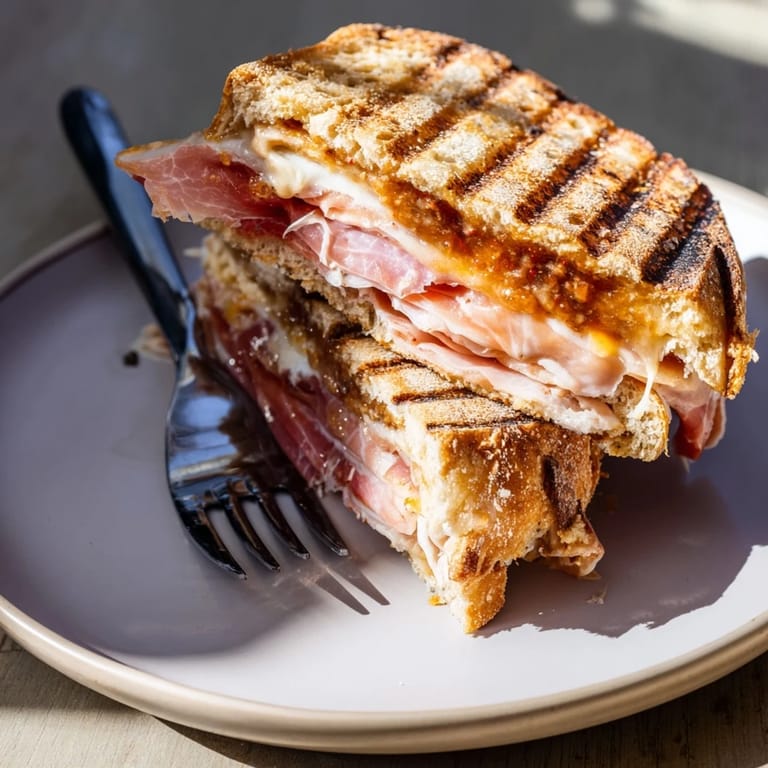
- Place your sandwich in the press and apply firm, steady pressure for 3–4 minutes per side; you're looking for golden-brown bread and you should hear the cheese starting to release.
- Rest and slice:
- Let it sit for about 30 seconds before slicing diagonally so the cheese doesn't immediately escape everywhere.
 Save
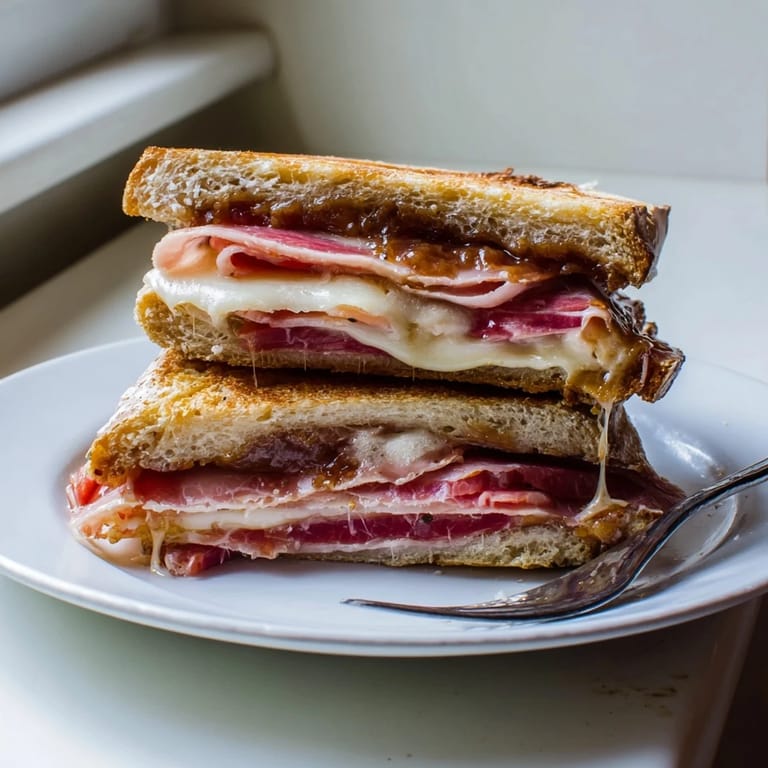
Save There's a moment when you first bite into one of these—when the crispy bread gives way and that warm cheese meets the sweet-salty combination of fig and prosciutto—where you realize that sometimes the simplest combinations are the ones that stay with you. It's the kind of sandwich that tastes better than it should.
Why This Combination Works
The prosciutto brings a deep, mineral saltiness that on its own can feel one-note, but the fig jam softens it into something luxurious. The cheese acts as a bridge between them, melting and binding everything together while adding richness. There's a real reason Italians have been pairing these flavors for centuries—it's not nostalgia, it's chemistry.
Making It Your Own
The beauty of this sandwich is that it's forgiving enough to experiment with. I've added peppery arugula before pressing and it brought a brightness that cut through the richness. Black pepper works too if you want a subtle spice. Some people swear by swapping the fontina for brie, which makes everything creamier and slightly tangier, or goat cheese if you want something more assertive.
Serving and Timing
Eat these while they're still warm—that's when the cheese is at its most melted and the bread is still crispy. These aren't really sandwiches that hang around well because the bread will soften as they cool, so plan to serve immediately after pressing.
- A crisp Italian white wine or a light red like Pinot Noir pairs beautifully without competing with the delicate flavors.
- Cut diagonally not because it matters flavor-wise, but because it looks intentional and makes the sandwich easier to hold.
- If you're making these for more than two people, prep your ingredient stacks ahead of time so you're not fumbling with butter and jam while your press is hot.
 Save
Save This sandwich exists in that perfect space where it takes almost no time and almost no skill, but tastes like you actually know what you're doing. It's the kind of thing that transforms an ordinary afternoon into something a little more intentional.
Recipe FAQ Section
- → What type of bread works best?
Rustic Italian breads like ciabatta or sourdough hold up well and provide a crusty texture when grilled.
- → Can I use other cheeses?
Fontina is preferred for meltability, but mozzarella or taleggio add tasty alternatives. Brie or goat cheese offer tangier flavors.
- → How do I achieve a crispy outside?
Lightly butter the bread’s exterior before pressing to ensure a golden, crisp crust during cooking.
- → Is a panini press necessary?
A panini press works best for even heat and pressing, but a large skillet with a spatula pressing down can also suffice.
- → What pairs well with this sandwich?
Try fresh arugula inside or serve alongside a crisp Italian white wine or a light red for complementing flavors.