 Save
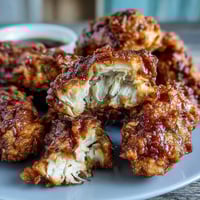
Save There's something about standing in front of a hot skillet, watching buttermilk-soaked chicken tenders turn golden and crispy, that takes me back to Sunday dinners at my aunt's kitchen. She'd fry these up without any fancy technique, just confident hands and a thermometer she barely glanced at. The kitchen would fill with this warm, savory hum that made everyone drift toward the stove. That's when I learned that the best comfort food doesn't need to be complicated.
I made these for my roommate after a long day, and she bit into one with zero expectations. The look on her face when the juices hit and the crust held firm told me everything. She asked for the recipe that night, and now she makes them every other week. Sometimes the simplest dishes become the ones people remember most.
Ingredients
- Chicken tenders or breast strips (1.5 lbs): Use fresh, not frozen, so the buttermilk soaks in evenly and the meat stays juicy inside.
- Buttermilk (1 cup): The acid is doing the real work here, tenderizing the chicken while you sleep.
- All-purpose flour (1.5 cups): The foundation of your crust; don't skip the seasoning mixed into it.
- Salt (1 teaspoon for marinade, 1 for coating): Split between two places so flavor builds at every layer.
- Black pepper (1/2 teaspoon each): Freshly cracked makes a real difference in taste and visual appeal.
- Garlic and onion powder (1/2 teaspoon each, used twice): Doubling them between marinade and coating creates depth without overpowering.
- Paprika (1/2 teaspoon marinade, 1 teaspoon coating): Gives color and a subtle sweetness that balances the richness.
- Cayenne pepper (1/4 teaspoon, optional): Add this if you want heat that builds slowly, not all at once.
- Baking powder (1/2 teaspoon): The secret to extra crispiness; it creates tiny air pockets in the flour.
- Vegetable oil for frying: Use neutral oil with a high smoke point like canola or peanut oil.
Tired of Takeout? 🥡
Get 10 meals you can make faster than delivery arrives. Seriously.
One email. No spam. Unsubscribe anytime.
Instructions
- Mix the marinade:
- Whisk buttermilk with salt, pepper, garlic powder, onion powder, paprika, and cayenne in a bowl. This should smell savory and tangy, like the start of something good. If you're not sure it's seasoned enough, taste a tiny sip and adjust.
- Coat and chill the chicken:
- Toss chicken tenders in the buttermilk until every piece is soaked. Cover and refrigerate for at least 2 hours, though overnight is even better. The longer it sits, the more tender it becomes.
- Prepare the flour coating:
- Mix flour, salt, pepper, paprika, garlic powder, onion powder, and baking powder in a shallow dish. Stir well so the seasonings are distributed evenly, not clumped in one spot.
- Dredge the chicken:
- Pull a tender from the marinade, let the excess drip off, then press it into the flour mixture on both sides. The flour should cling firmly. Stack finished pieces on a plate without them touching.
- Heat the oil:
- Pour oil into a large, deep skillet until it's about 2 inches deep. Use a thermometer to bring it to exactly 350°F. If it's too cool, the chicken will absorb oil and feel greasy; too hot, and it'll burn outside before cooking inside.
- Fry in batches:
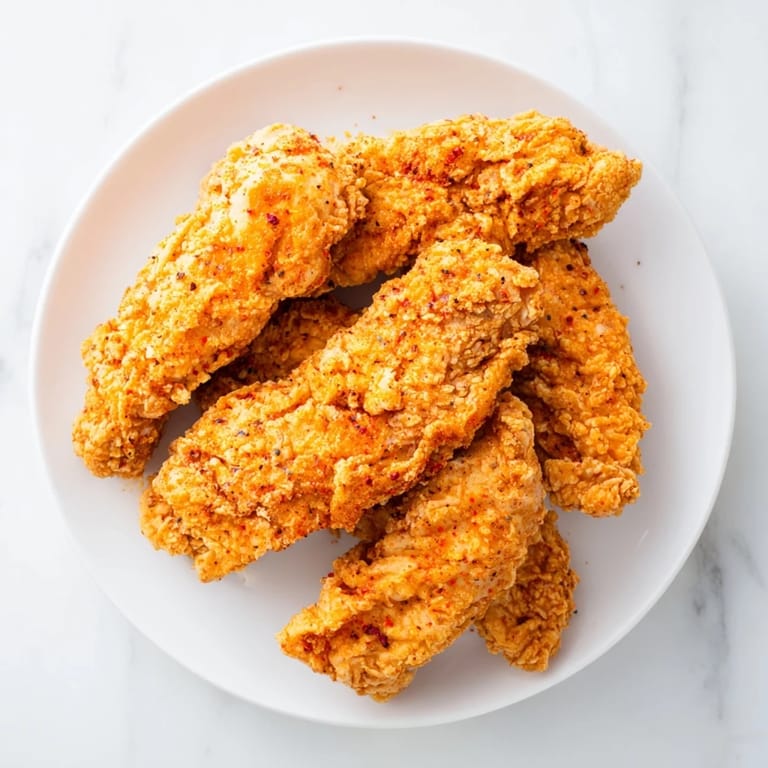
- Gently place 3 or 4 tenders in the oil, leaving space between them so they fry, not steam. After 3 to 4 minutes, flip and cook the other side until golden brown and the internal temperature reaches 165°F. Work in batches so you don't crowd the pan.
- Drain and serve:
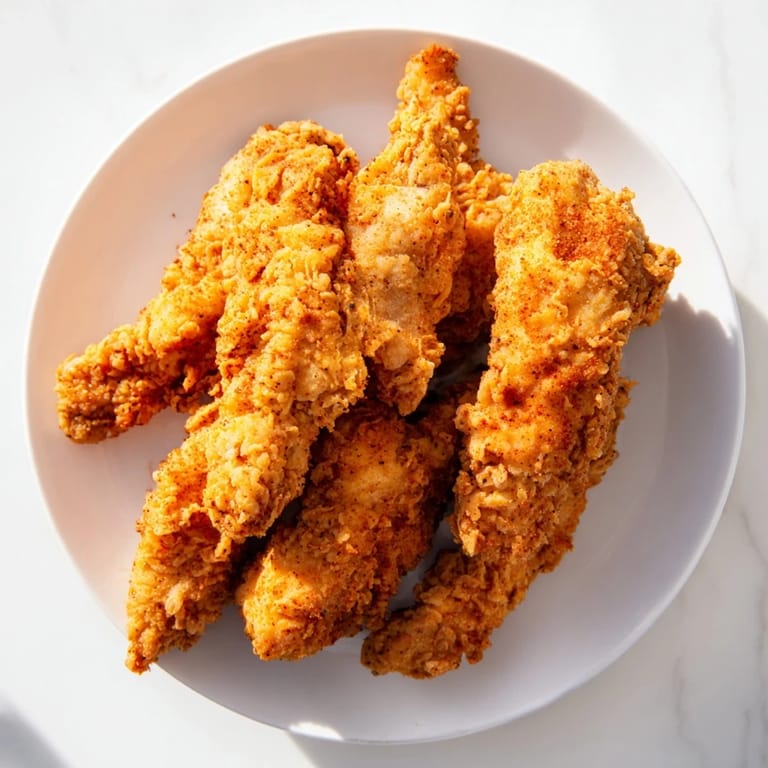
- Lift tenders onto a wire rack or paper towels so excess oil drains away. Serve hot while the crust is still shatteringly crisp, ideally within minutes.
 Save
Save My sister brought her kids over one night and they devoured these tenders faster than I could plate them. Her son asked if I used any magic, and I realized that's what good food does: it feels effortless to the people eating it, even though the care behind it shows in every bite.
The Double-Dip Secret
If you want a thicker, crunchier crust that shatters louder when you bite into it, try the double-dip method. After your first flour coating, dip the tender back into the buttermilk for just a second, then coat it in flour again. This creates layers of texture that feel almost like fried chicken from a restaurant, except it's homemade and tastes fresher.
What to Serve Alongside
These tenders are flexible enough to pair with almost anything, but the dipping sauce is where personality comes in. Honey mustard feels elegant and sweet, ranch is the obvious crowd-pleaser, and hot sauce adds a kick if you didn't spice the marinade. I've also seen people use a simple mayo mixed with lemon juice and garlic, which cuts through the richness beautifully.
Storage and Reheating
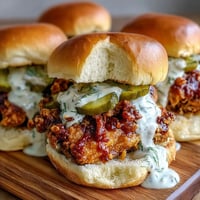
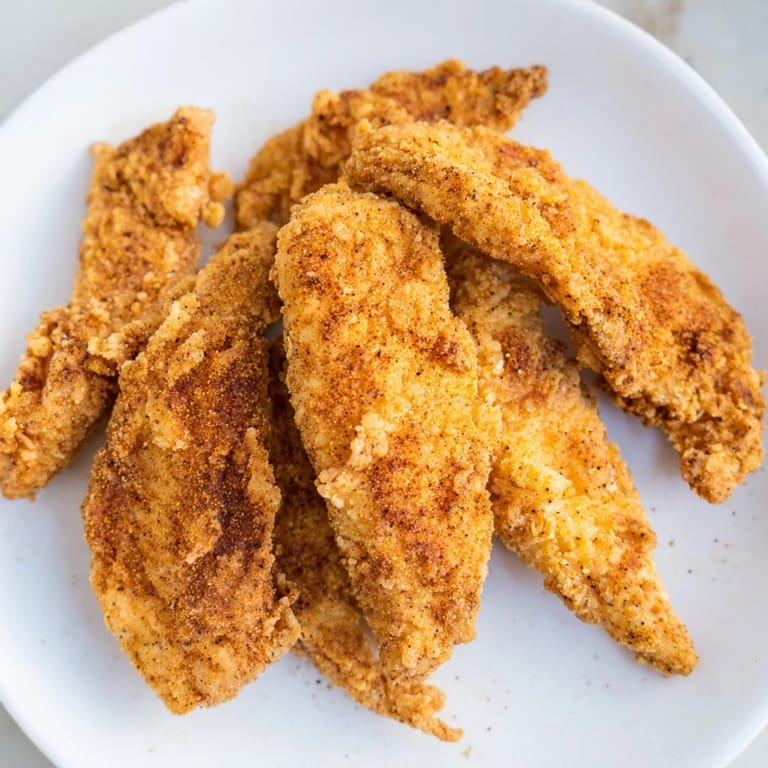
Leftover fried chicken tenders keep well in the fridge for up to 3 days, though they're honestly best the day they're made. To reheat without losing the crunch, warm them in a 350°F oven for about 5 minutes rather than microwaving, which makes them rubbery. Cold tenders work great in salads or sandwiches the next day if you have any left, which is rare.
- Store cooled tenders in an airtight container with a paper towel to absorb moisture.
- For meal prep, you can marinate the chicken overnight and fry it fresh when you're ready to eat.
- If the oil gets dirty during frying, strain it through a fine mesh before using it again.
 Save
Save This recipe has taught me that the best meals come from respect for simple ingredients and patience with the process. Whether you're cooking for yourself or a crowd, these tenders never disappoint.