 Save
Save There's something about the smell of fried chicken that stops conversation mid-sentence. My grandmother's kitchen would fill with that golden, savory aroma, and suddenly everyone forgot what they were doing and gravitated toward the stove. The chicken she made wasn't just food—it was a ritual, a way of saying you mattered enough to spend time over hot oil and spices. These days, I chase that same feeling in my own kitchen, and somehow, when I nail the crust and pull those biscuits from the oven with their honey butter still glistening, I swear I can hear her laugh.
I made this for my college roommate's family the first Thanksgiving I wasn't going home, and I remember feeling nervous—like I was trying too hard. But something shifted when everyone went quiet after the first bite of chicken, and then the room just erupted. Her mom asked for the recipe, her dad went back for thirds, and suddenly I wasn't the anxious friend cooking in someone else's kitchen anymore. I was just someone who'd brought something good to the table.
Ingredients
- Bone-in, skin-on chicken pieces: The bone and skin are non-negotiable here—they keep the meat incredibly juicy while the skin gets catastrophically crispy, which is exactly the point.
- Buttermilk: This isn't just making the chicken tender, it's breaking down the proteins in a way that lets the seasoning penetrate deeper than you'd expect.
- Cornstarch: Mixed with flour, this is your secret weapon for that shatter-when-you-bite-it texture that separates good fried chicken from transcendent fried chicken.
- Spice blend: Paprika, garlic, onion, cayenne—this isn't fussy seasoning, it's the backbone that makes every bite taste intentional and warm.
- Cold butter for biscuits: The colder it stays, the flakier your biscuits will be, so don't skip the refrigeration step or use soft butter thinking it won't matter.
- Honey: A touch in the biscuit dough and more brushed on top creates this subtle sweetness that balances the savory chicken perfectly.
Tired of Takeout? 🥡
Get 10 meals you can make faster than delivery arrives. Seriously.
One email. No spam. Unsubscribe anytime.
Instructions
- Get Your Chicken Ready:
- Whisk buttermilk and hot sauce together in a bowl, then fully coat your chicken pieces and let them sit covered in the fridge for at least an hour—overnight is even better because the acid in the buttermilk is quietly tenderizing everything. This step feels like you're doing nothing, but you're actually doing everything.
- Build Your Coating Arsenal:
- Mix flour, cornstarch, salt, pepper, paprika, garlic powder, onion powder, and cayenne in a shallow dish—don't skip whisking these together, because you want the spices distributed evenly, not clumped in one corner waiting to surprise your palate.
- Dredge and Rest:
- Pull each chicken piece from the buttermilk, let the excess drip off (this matters more than it sounds), then press it firmly into your flour mixture so it actually sticks. Transfer to a wire rack and give it ten minutes—this rest lets the coating set so it doesn't all fall off into the oil like a sad mistake.
- Heat Your Oil Properly:
- Get your vegetable oil to exactly 350°F—use a thermometer, not guessing, because this is where patience becomes crispy skin. A too-hot oil burns the outside before the inside cooks, a too-cool oil makes greasy sadness.
- Fry in Batches Like You Mean It:
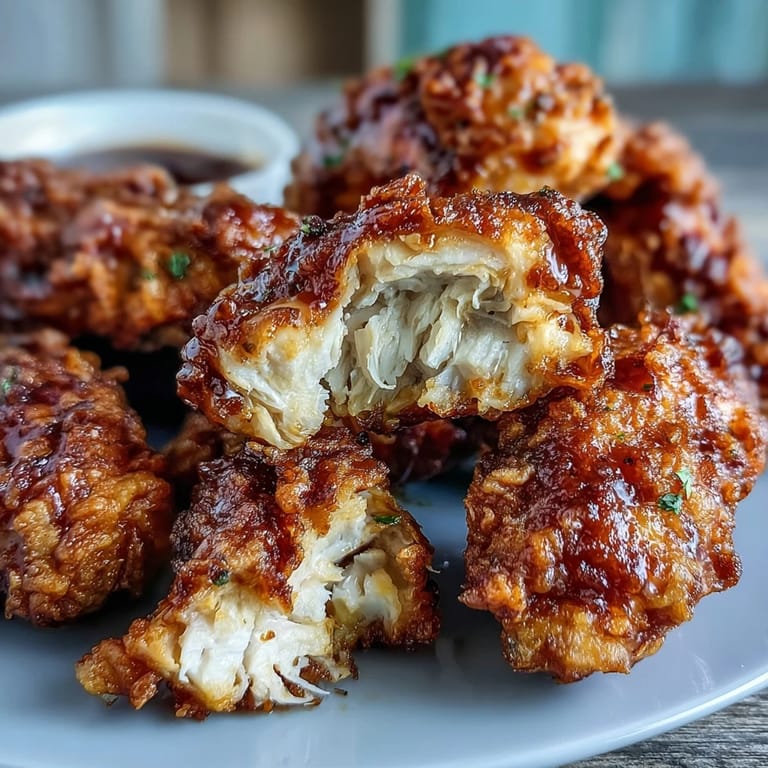
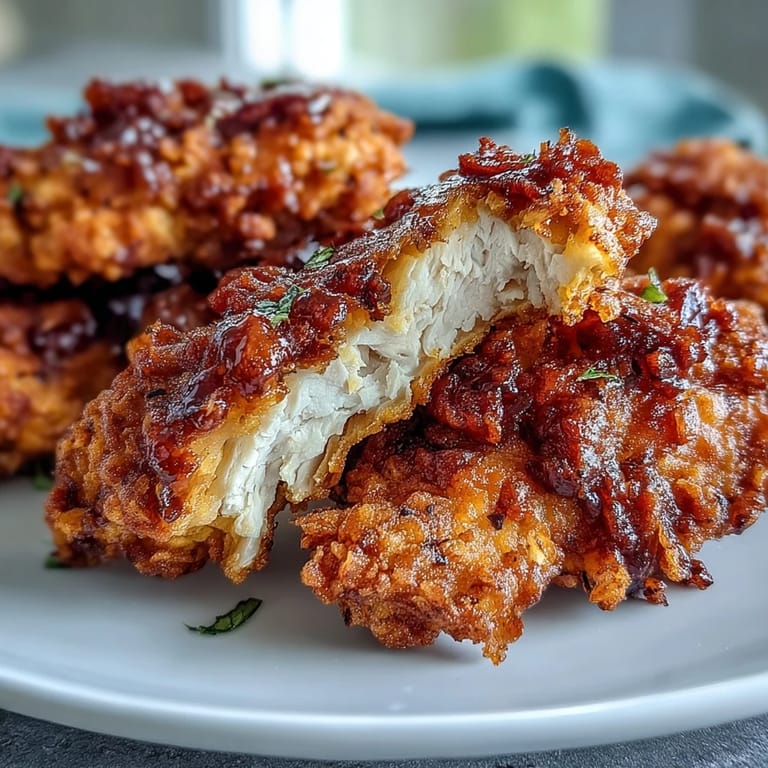
- Work in batches so you're not crowding the pan, turning pieces occasionally, until dark meat takes about 15 to 18 minutes and white meat about 12 to 14 minutes and everything is golden brown and the internal temperature hits 165°F. Lift each piece onto a clean wire rack over a baking sheet so the steam can escape and the crust stays crispy.
- Make Your Biscuit Dough:
- Preheat the oven to 425°F, then whisk flour, baking powder, baking soda, and salt together. Cut in your cold butter until it resembles coarse crumbs—use your fingertips or a pastry cutter, but work quickly so the butter stays cold and distinct, not melted into the flour.
- Bring the Dough Together Gently:
- Stir in buttermilk and honey just until the dough comes together—overworking this is the fastest way to tough biscuits, so stop mixing as soon as you don't see dry flour anymore.
- Shape and Bake:
- Pat your dough into a 1-inch thick rectangle on a floured surface, cut into rounds with a biscuit cutter, and arrange on a parchment-lined baking sheet. Bake for 12 to 15 minutes until they're golden and puffy, which happens faster than you think.
- Finish with Honey Butter:
- While the biscuits are still hot from the oven, stir melted butter and honey together and brush it generously over each one—the heat lets it soak in slightly while still leaving a glossy finish.
- Plate and Serve:
- Arrange your crispy chicken on a platter with those warm, golden biscuits alongside, and watch what happens when people start eating.
 Save
Save My neighbor once joked that she could smell when I was making this from three houses away, and she'd appear at my door like magic. One summer evening she actually brought her six-year-old, who had never had properly fried chicken before, and the look on his face when he bit through that crust—pure wonder. That's when I realized this recipe isn't just about being good, it's about creating a moment that someone might remember for years.
The Science of Crispy Coating
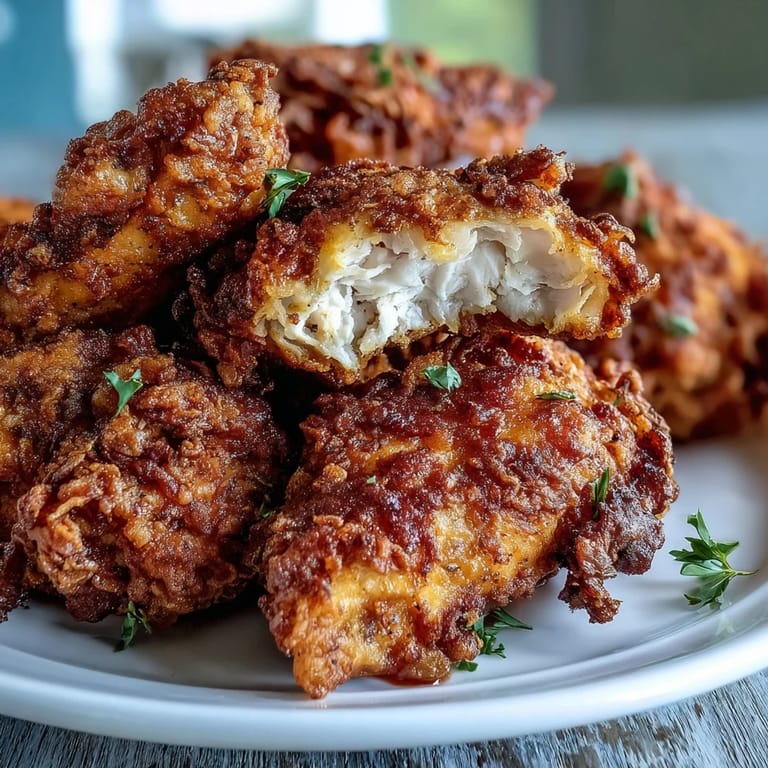
Cornstarch is doing heavy lifting here that flour alone can't manage. When cornstarch gelatinizes under heat, it creates a moisture barrier that keeps the coating crispy instead of soggy, which is why that shatter-when-you-bite texture isn't luck—it's chemistry working in your favor. The double dredge (buttermilk coating the chicken, then flour mixture coating the buttermilk) creates layers that fry up into something genuinely transcendent.
Why Buttermilk Matters for Biscuits Too
Buttermilk in biscuits does the same thing it does for the chicken—it reacts with the baking soda to create lift and tenderness that plain milk just won't achieve. The acidity also adds a subtle tang that balances the honey sweetness, making the biscuits taste more complex than they have any right to be. This is why substituting regular milk feels like it should work but always results in something slightly denser and less interesting.
Serving and Storage Wisdom
Eat the chicken while it's still warm enough to feel the crisp contrast with the juicy meat—that's when it's truly at its best. Biscuits are genuinely excellent fresh but can be gently reheated in a low oven if needed, and the honey butter always adds back that just-made feeling. Serve alongside collard greens or mashed potatoes if you want to build out the full experience, though honestly, this meal is complete just as it is.
- Don't be tempted to rush the marinating time because that buttermilk is literally your insurance policy for juicy chicken.
- Keep your oil at temperature throughout the frying process by cooking in batches and letting the temperature recover between each batch.
- Pull those biscuits out while they're still slightly warm so the honey butter brushes on and soaks in perfectly.
 Save
Save This is the kind of meal that reminds you why people gather around food in the first place. Make it, and something shifts in the room.
Recipe FAQ Section
- → How do I ensure the chicken stays juicy inside after frying?
Marinate the chicken in buttermilk for at least an hour to tenderize and keep the meat moist during frying.
- → What oil temperature is best for frying the chicken?
Maintain the oil temperature around 350°F (175°C) to achieve a crispy crust without overcooking the inside.
- → Can I make the honey butter biscuits ahead of time?
Biscuits are best served fresh, but you can bake them in advance and rewarm gently to preserve flakiness.
- → What gives the biscuits their flaky texture?
Cutting cold butter into the dry ingredients creates small pockets of fat that melt during baking, producing a flaky crumb.
- → How can I add extra spice to the chicken coating?
Increase cayenne pepper or add hot sauce to the marinade for a bolder, spicier flavor.