 Save
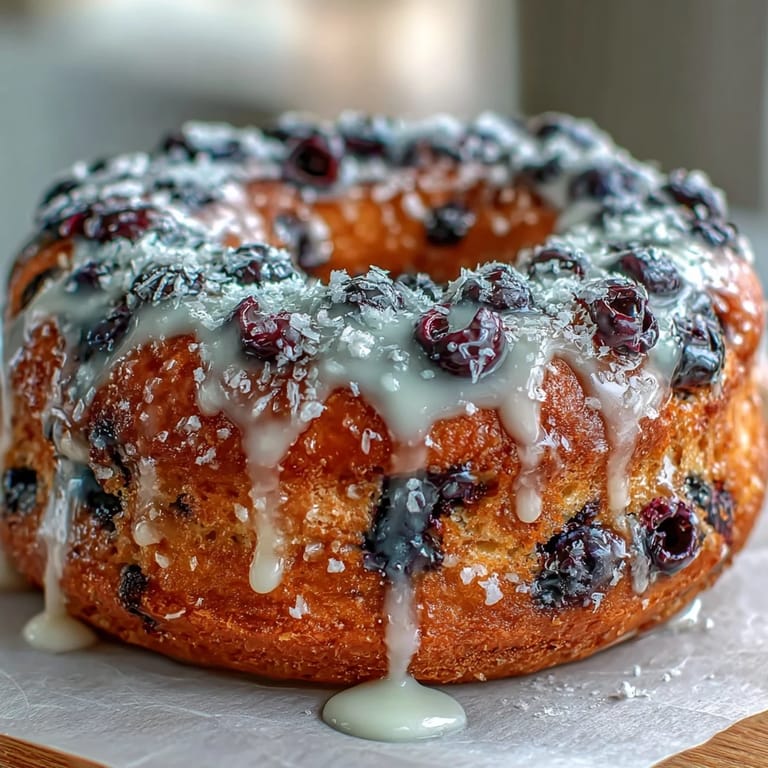
Save My kitchen filled with the smell of vanilla and lemon on a lazy Sunday morning when I decided to stop buying bagels from the coffee shop down the street. There was something rebellious about it, honestly—a challenge to myself to create something that tasted just as good but actually made sense for my fitness goals. That first batch came out slightly dense, and I remember my partner taking one bite and saying, "Okay, but there's real protein in this, right?" By the third attempt, when I watched the blueberries burst slightly in the oven and caught that citrus glaze hitting the golden-brown surface, I knew I'd cracked it.
I made these for a weekend brunch party last spring, and watching my friends pick up their second bagel while still chewing the first told me everything I needed to know. One guest—who's admittedly snobbish about carbs—spent ten minutes asking questions about the protein powder, convinced I must have used some artificial sweetener. The fact that these are just real ingredients, real blueberries, and real kitchen magic still makes me smile.
Ingredients
- Bread flour: This is your structure—it's higher in protein than all-purpose, which helps your bagels stay chewy and dense rather than fluffy like regular bread.
- Vanilla protein powder: Choose whey or plant-based depending on your preference; vanilla works better than chocolate here because it doesn't fight with the lemon glaze.
- Instant dry yeast: Make sure it's fresh (check that expiration date), because stale yeast means your dough won't rise properly and you'll end up frustrated.
- Granulated sugar: This feeds the yeast and adds subtle sweetness without overwhelming the blueberries.
- Salt: Don't skip it—salt controls fermentation and enhances all the other flavors.
- Warm water: Around 110°F is the sweet spot; too hot kills the yeast, too cold and nothing happens.
- Unsalted butter: Melted and added to the dough makes everything richer and helps with that tender crumb.
- Fresh or frozen blueberries: If you use frozen, keep them frozen when folding—they'll bleed less into the dough and distribute more evenly.
- Honey or maple syrup for boiling: This optional addition adds a subtle sweetness and helps bagels caramelize beautifully; I usually skip it but my partner insists it makes a difference.
- Powdered sugar, lemon juice, and zest: Together these create that sharp, fresh glaze that feels like sunshine on top.
Tired of Takeout? 🥡
Get 10 meals you can make faster than delivery arrives. Seriously.
One email. No spam. Unsubscribe anytime.
Instructions
- Mix your dry foundation:
- Whisk bread flour, protein powder, sugar, salt, and yeast together in a large bowl. This matters more than people think—mixing dry ingredients thoroughly prevents the yeast from clumping and ensures even distribution of protein throughout.
- Bring it together:
- Pour in warm water and melted butter, stirring until you have a shaggy, slightly sticky dough. Don't worry if it looks messy; that's exactly where you want it.
- Knead until smooth:
- Either use a stand mixer with a dough hook for 8–10 minutes or knead by hand on a lightly floured surface, pushing the dough away from you with the heel of your hand, folding it back, and repeating. You'll feel it transition from rough to silky, and that moment is satisfying every single time.
- Fold in the blueberries gently:
- Use frozen blueberries if possible and fold them in carefully so they stay intact and don't turn your entire dough blue. A few burst berries are fine, but most should remain whole.
- Let it rise:
- Shape the dough into a ball, place it in a greased bowl, cover with a damp kitchen towel, and let it sit in a warm spot for about an hour. You're looking for the dough to roughly double in size—it should feel pillowy when you poke it.
- Shape your bagels:
- Punch down the risen dough and divide it into 8 equal pieces. Roll each piece into a tight ball, then use your finger to poke a hole through the center and gently stretch it into a bagel shape with a hole about the size of a quarter. This takes practice, but trust yourself.
- Second rise:
- Place shaped bagels on a parchment-lined baking sheet, cover loosely, and let them rest for 15 minutes. They should look slightly puffed but not fully doubled—this is intentional.
- Prepare your boiling water:
- While bagels are resting, bring 8 cups of water to a gentle boil in a large pot. If you're using honey or maple syrup, add it now for subtle caramelization.
- Preheat your oven:
- Get your oven to 400°F (200°C) so it's ready when you need it.
- Boil with care:
- Working in batches of 2–3 bagels, gently lower them into boiling water and boil for 1 minute on each side. The water should just barely simmer—a rolling boil will make them too dense and chewy. Use a slotted spoon to flip and remove them.
- Bake until golden:
- Return boiled bagels to the baking sheet and bake for 20–25 minutes, until they're deep golden brown and sound hollow when you tap them. The kitchen will smell incredible at this point.
- Cool completely:
- Transfer baked bagels to a wire rack to cool all the way through before glazing. This prevents condensation from making your glaze slide right off.
- Make your lemon glaze:
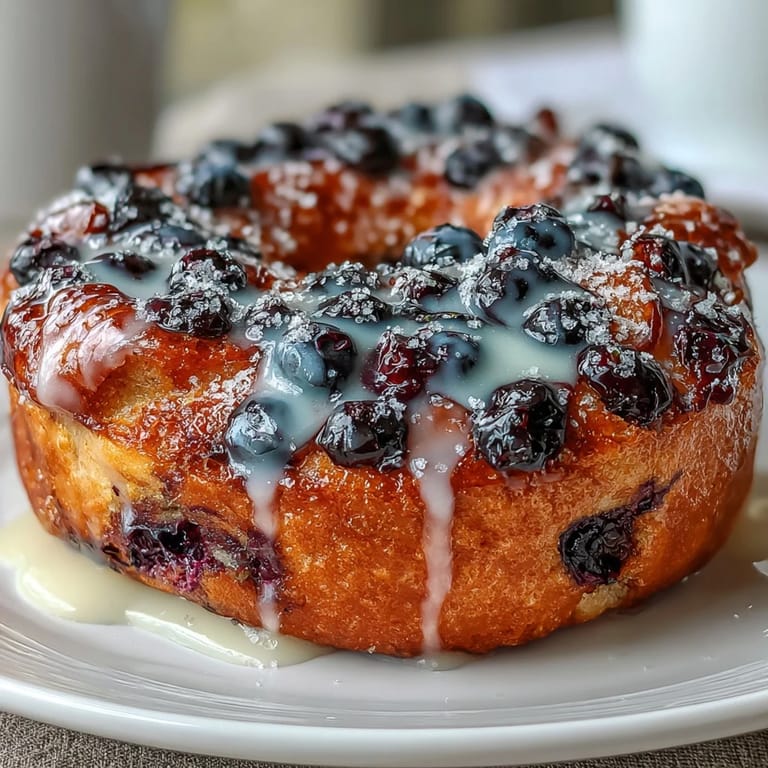
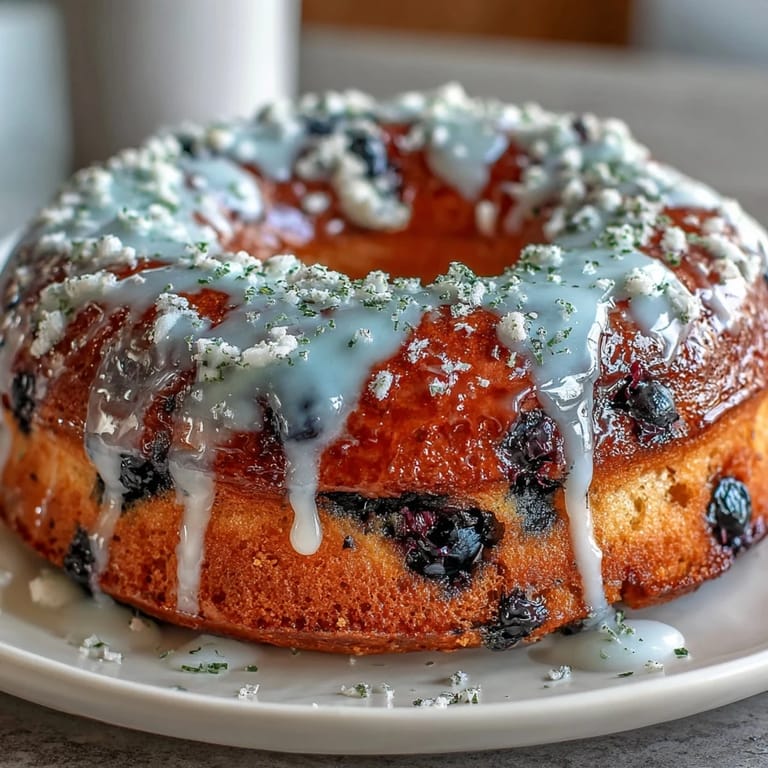
- Whisk powdered sugar, fresh lemon juice, and lemon zest together in a small bowl, adding milk or water one teaspoon at a time until you reach a drizzling consistency. It should coat the back of a spoon but still flow gently.
- Glaze and set:
- Once bagels are completely cool, drizzle the glaze over the tops and let it set for at least 10 minutes before eating. The wait makes everything taste better.
 Save
Save There was a Tuesday evening when I brought a bag of these to my gym, mostly as a joke, and watched the most skeptical person there ask for the recipe. That's when I realized these bagels had transcended being just "healthy breakfast"—they'd become something people genuinely wanted to eat, protein boost or not.
The Science of Chewy Bagels
Bagels are different from regular bread because of the boiling step, which sets the crust before the interior fully cooks. This creates that signature chewy texture that's impossible to achieve with just baking. The protein powder adds structure without making things dense, and the blueberries provide little bursts of moisture that keep everything tender. I learned this the hard way when I skipped boiling once and ended up with what was essentially a fancy bread roll, not a bagel.
Storing and Reheating
These bagels keep beautifully in the freezer for up to three weeks, which means you can make a full batch on Sunday and have fresh-tasting bagels all week without the daily kitchen effort. Just thaw them at room temperature for an hour or microwave them for 20 seconds, and they'll taste almost as good as fresh-baked. For that true fresh-baked experience, you can reheat them in a 350°F oven for about 5 minutes, which also makes the glaze slightly tacky and delicious in a way that microwave reheating just can't match.
Flavor Variations Worth Trying
Once you nail this recipe, you'll start seeing possibilities everywhere. Raspberries or chopped strawberries work beautifully if blueberries aren't in season, and they pair equally well with the lemon glaze. I've also experimented with an orange glaze (using orange juice and zest instead of lemon) and added a pinch of poppy seeds to the dough, which added a subtle nuttiness. You could even try a cinnamon-sugar bagel by omitting the blueberries and rolling the shaped dough in a cinnamon-sugar mixture before the second rise—that version got requested so often I had to start making doubles.
- Swap blueberries for raspberries, blackberries, or chopped strawberries without changing any other ingredient ratios.
- Try an orange glaze by replacing lemon juice with fresh orange juice and using orange zest instead.
- Add a teaspoon of vanilla extract to the dough for extra depth, which complements the protein powder beautifully.
 Save
Save Making your own bagels is one of those kitchen skills that feels harder than it actually is, and once you've done it once, you'll keep coming back. There's something special about biting into a bagel you made with your own hands and tasting both the effort and care.
Recipe FAQ Section
- → Can I use frozen blueberries for the bagels?
Yes, frozen blueberries can be used directly without thawing to prevent the dough from becoming soggy.
- → What protein powders work best in this dough?
Vanilla-flavored whey or plant-based protein powders blend well, enhancing flavor and texture without overpowering.
- → How do I know when the bagels are properly boiled?
Boil each bagel for about one minute per side until they float to the surface, indicating readiness for baking.
- → Can I substitute lemon glaze with another topping?
Certainly, alternatives like vanilla icing or a light honey drizzle complement the bagels while offering different flavor profiles.
- → What’s the best way to store these bagels?
Store them in an airtight container at room temperature for up to two days, or freeze for longer preservation.