 Save
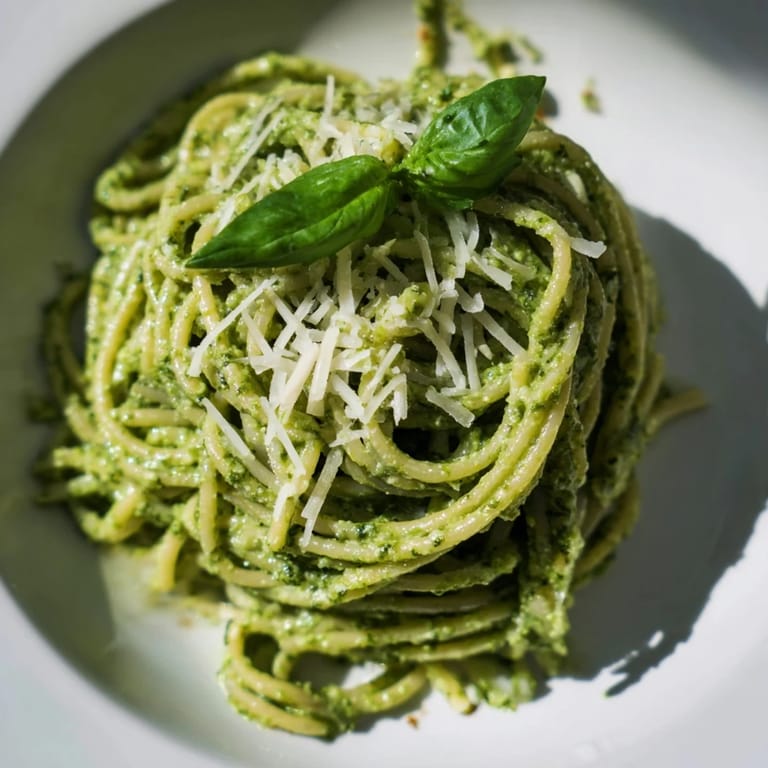
Save The smell of toasted sunflower seeds always catches me off guard in the best way. I started making this pesto on a random Tuesday when I realized I'd run out of pine nuts but had a jar of sunflower seeds sitting in the pantry. What began as a substitution turned into something I now choose on purpose. The creaminess, the slight earthy sweetness, the way it clings to every piece of pasta without feeling heavy. It's become my go-to when I want something comforting but don't want to spend an hour in the kitchen.
I made this for a friend who was having a rough week, and she sat at my kitchen counter twirling her fork in silence for the first few bites. Then she looked up and said it tasted like something her grandmother would have made if her grandmother had been Italian. I think about that every time I make it now. It's funny how a dish can carry that kind of weight without trying.
Ingredients
- Unsalted sunflower seeds: Toasting them is non-negotiable because it wakes up their natural oils and gives the pesto a deeper, roasted flavor instead of tasting flat.
- Fresh basil leaves: Pack them into the measuring cup without bruising them too much, and make sure they're dry or the pesto will turn watery.
- Garlic cloves: Two cloves is plenty because raw garlic gets stronger as it sits, and you don't want it to overpower the basil.
- Parmesan cheese: Freshly grated melts into the sauce better than pre-shredded, which often has anti-caking agents that make it grainy.
- Extra virgin olive oil: Use something you'd be happy drizzling on bread because the flavor comes through clearly in the finished pesto.
- Water: This loosens the pesto without adding extra fat, and you can adjust it to your preferred texture as you go.
- Lemon juice: A little acidity brightens everything and keeps the basil from tasting too one-note or heavy.
- Salt and black pepper: Season in stages because the Parmesan is already salty, and you can always add more at the end.
- Dried pasta: Shapes with ridges or twists like fusilli or penne catch the pesto better than smooth noodles.
- Heavy cream or plant-based cream: This is what makes the sauce cling and coat instead of just sitting on top of the pasta.
Tired of Takeout? 🥡
Get 10 meals you can make faster than delivery arrives. Seriously.
One email. No spam. Unsubscribe anytime.
Instructions
- Boil the pasta:
- Bring a large pot of salted water to a rolling boil and cook the pasta until it still has a slight bite in the center. Before draining, scoop out half a cup of the starchy pasta water because it will help the sauce come together later.
- Toast the sunflower seeds:
- Heat a dry skillet over medium heat and add the sunflower seeds, shaking the pan every thirty seconds or so until they turn golden and smell nutty. Let them cool for a minute or two so they don't turn the pesto bitter from residual heat.
- Blend the pesto:
- Add the toasted seeds, basil, garlic, Parmesan, olive oil, lemon juice, salt, and pepper to a food processor and pulse until it looks like a chunky paste. Scrape down the sides, then add the water and blend until smooth and creamy.
- Combine pasta and pesto:
- Return the drained pasta to the pot over low heat and pour in the pesto and cream, tossing everything together with tongs. Add the reserved pasta water a splash at a time until the sauce is silky and coats every piece without pooling at the bottom.
- Adjust and serve:
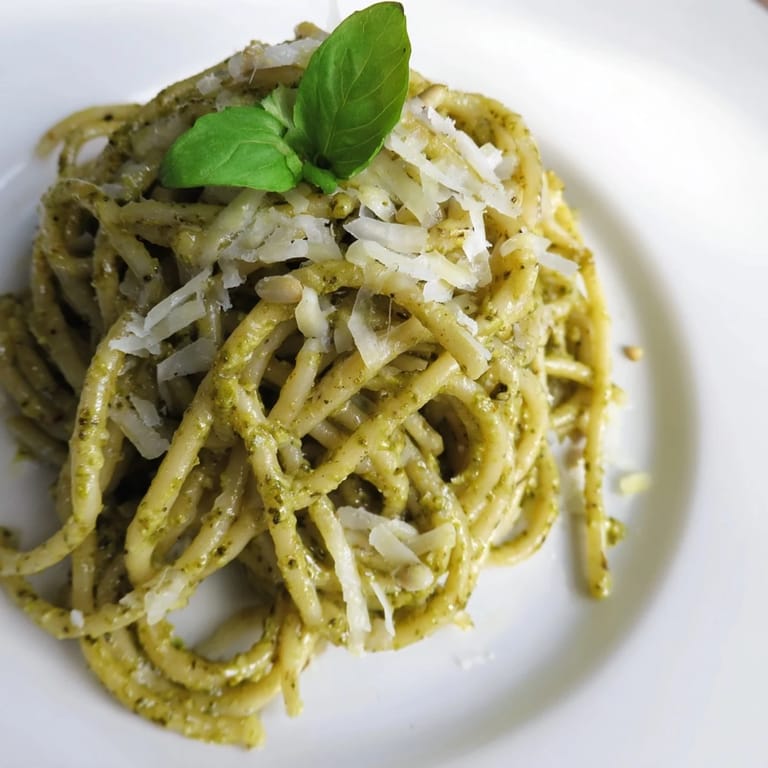
- Taste the pasta and add more salt, pepper, or lemon juice if it needs a little lift. Serve it right away while it's hot, and if you want, top it with extra Parmesan and a few torn basil leaves.
 Save
Save There's a moment when you're stirring the pasta and the pesto starts to loosen and turn glossy that makes me feel like I know what I'm doing in the kitchen. It's the same feeling I get when bread dough finally stops sticking to my hands. Small victories, but they add up. This dish has given me more of those moments than I can count, and I think that's why it's stayed in my rotation for so long.
Making It Your Own
I've tossed in handfuls of blanched peas and wilted spinach when I wanted something greener, and I've stirred in halved cherry tomatoes that I roasted with olive oil and salt until they burst. Both versions felt like completely different meals even though the base stayed the same. You could also fold in shredded rotisserie chicken or sautéed shrimp if you want more protein, or keep it simple and let the pesto be the star. It's flexible enough to handle whatever you're craving or whatever you have on hand.
Storing and Reheating
Leftovers keep in the fridge for up to three days in an airtight container, and I've found that adding a splash of water or cream when reheating brings the sauce back to life. Don't microwave it on high or the cream will separate and turn oily. Instead, warm it gently in a pan over low heat, stirring constantly until it's heated through. Sometimes I'll eat it cold straight from the container for lunch, and it's surprisingly good that way too, almost like a creamy pasta salad.
What to Serve Alongside
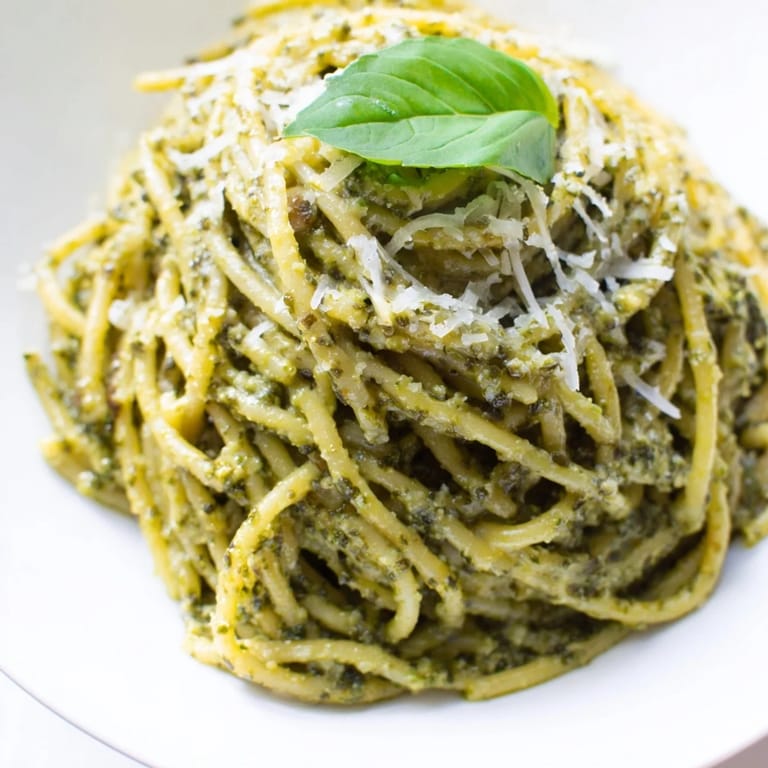
I usually keep it simple with a green salad dressed in lemon and olive oil, maybe some crusty bread if I have it. The pasta is rich enough that you don't need much else, but a glass of chilled Sauvignon Blanc or sparkling water with lemon feels right. If I'm feeding a crowd, I'll roast a sheet pan of vegetables like zucchini, bell peppers, and red onion to serve on the side.
- A handful of arugula tossed into the pasta right before serving adds a peppery bite.
- Toasted breadcrumbs sprinkled on top give it a nice crunch and make it feel more special.
- If you're making it vegan, nutritional yeast and plant-based cream work beautifully without losing any richness.
 Save
Save This pasta has become one of those recipes I don't think about anymore, I just make it when I need something reliable and comforting. I hope it finds a spot in your rotation too.
Recipe FAQ Section
- → Can I make this pesto ahead of time?
Yes, the pesto can be made 2-3 days ahead and stored in an airtight container in the refrigerator. Store it without the cream and add the cream when tossing with warm pasta to maintain the best texture.
- → What pasta shape works best?
Any pasta shape works well, but spaghetti, penne, and fusilli are ideal choices. Thicker, ridged shapes help the creamy pesto cling better to the pasta.
- → How do I make this vegan?
Replace Parmesan cheese with nutritional yeast and use unsweetened plant-based cream instead of heavy cream. The flavor will be slightly different but equally delicious and completely vegan.
- → Why toast the sunflower seeds?
Toasting the sunflower seeds for 3-4 minutes brings out their natural nutty flavor and creates a richer, more aromatic pesto. This step enhances the overall depth of the sauce.
- → What can I add to boost nutrition?
Stir in cooked peas, fresh spinach, or roasted cherry tomatoes for added color and nutrition. Roasted vegetables like zucchini or bell peppers also pair beautifully with this creamy sauce.
- → How do I achieve the right sauce consistency?
Use reserved pasta water to adjust the thickness gradually. Add it slowly while tossing to prevent the sauce from becoming too thin. The sauce should coat the pasta without pooling excessively.