 Save
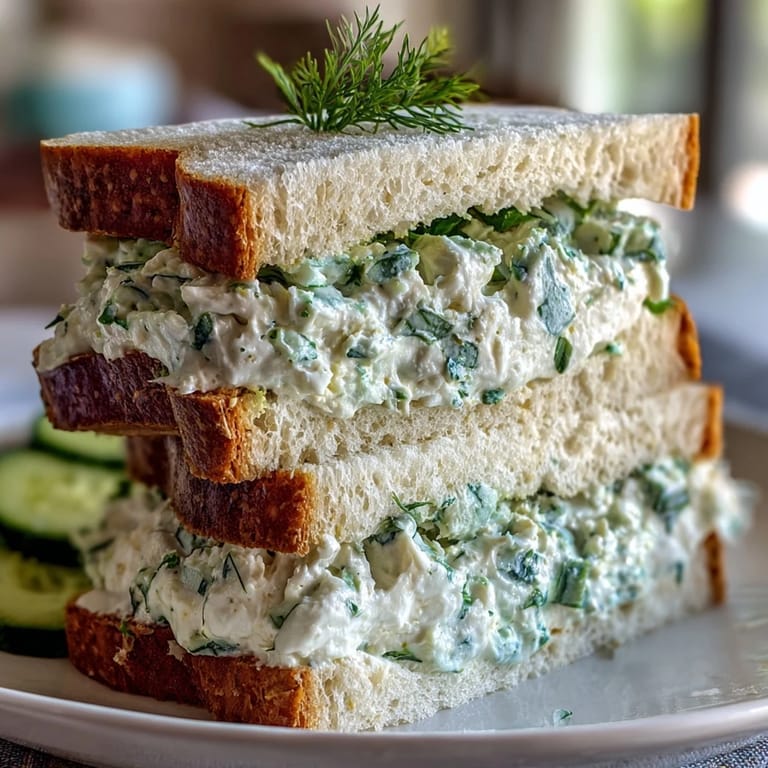
Save My grandmother pulled out these sandwiches every Derby Day, arranged on her best china with the crusts cut off so precise they looked like geometry lessons. The pale green spread would catch the afternoon light streaming through the kitchen window, and I'd watch her arrange cucumber slices on top with the focus of someone handling something precious. She never called them Benedictines, just "those tea sandwiches," but they tasted like tradition in the most elegant way possible. Years later, I realized the magic wasn't just the dill and cream cheese, but how she'd squeeze every drop of water from those cucumbers like she was wringing out secrets. Now when I make them, I understand it was never about impressing people—it was about saying "you're worth the careful work."
I made these once for a bridal shower on a sweltering May afternoon, and watching the bride's face when she bit into one was worth every minute of cucumber squeezing. Her mom leaned over and whispered that they reminded her of her mother's kitchen, and suddenly these little sandwiches became a bridge between three generations standing in my living room. That's when I stopped thinking of them as just food and started seeing them as a way to make people feel like they belong somewhere special.
Ingredients
- English cucumber, peeled and seeded: The large watery kind matters here—it'll have fewer seeds and that delicate flavor that doesn't overpower the herbs.
- Cream cheese, softened: Cold cream cheese clumps and refuses to blend smoothly, so pull it out of the fridge at least 30 minutes before you start.
- Mayonnaise: This keeps the spread from drying out and adds a subtle richness that balances the dill.
- Fresh dill and chives: The herbs are where personality lives in this recipe—don't skimp or use dried, it changes everything.
- Grated onion: Just enough to add complexity without making anyone ask "what is that flavor?"
- Salt and ground white pepper: White pepper keeps the color pristine and tastes a touch more delicate than black.
- Green food coloring (optional): This is the traditional touch that makes them look like what people expect from Kentucky Derby time.
- Very fresh white sandwich bread: Stale bread tears when you spread it and tastes sad—use the softest loaf you can find.
- Unsalted butter, softened: A thin layer acts as a barrier against moisture, keeping the bread from getting soggy before serving.
Tired of Takeout? 🥡
Get 10 meals you can make faster than delivery arrives. Seriously.
One email. No spam. Unsubscribe anytime.
Instructions
- Squeeze those cucumbers like you mean it:
- Grate your cucumber on the fine side of the grater, then gather it in a clean kitchen towel and wring it out hard—you want to remove as much water as possible so your spread stays thick and the sandwiches don't get mushy. This is the step that separates crisp tea sandwiches from soggy disappointment.
- Build the spread into something creamy and herbaceous:
- Blend your softened cream cheese with mayo until smooth, then fold in the dill, chives, grated onion, salt, and pepper until everything is evenly distributed and smells like springtime. If you're using food coloring, add just a few drops and stir until the color is uniform and reminds you of a soft garden.
- Mix in the cucumber and taste as you go:
- Stir the drained cucumber into your herb mixture gently so you don't break down the texture, then taste it—you might want to add a pinch more salt or a whisper more dill. This spread should taste bright and alive on your tongue.
- Prepare your bread with intention:
- If using butter, spread a thin layer on one side of each bread slice to create a moisture barrier that keeps things crisp. Thin is the key word here—you want protection, not richness.
- Spread and sandwich with a gentle hand:
- Take half your bread slices and spread the Benedictine mixture generously across one side, then top with the remaining bread slices and press down softly to nestle them together. The spread should peek out a little at the edges if you've done it right.
- Trim and cut with a sharp knife:
- Using a sharp, clean knife (dull knives tear soft bread), trim the crusts away in neat lines, then cut each sandwich into four pieces—rectangles look more refined, but triangles feel more playful. Make your cuts deliberate and clean so each piece looks intentional.
- Serve fresh or store smart:
- These taste best the moment they're made, but if you need them to wait, cover them with a damp paper towel and plastic wrap to keep them from drying out. They'll hold for a few hours in the refrigerator without losing their charm.
 Save
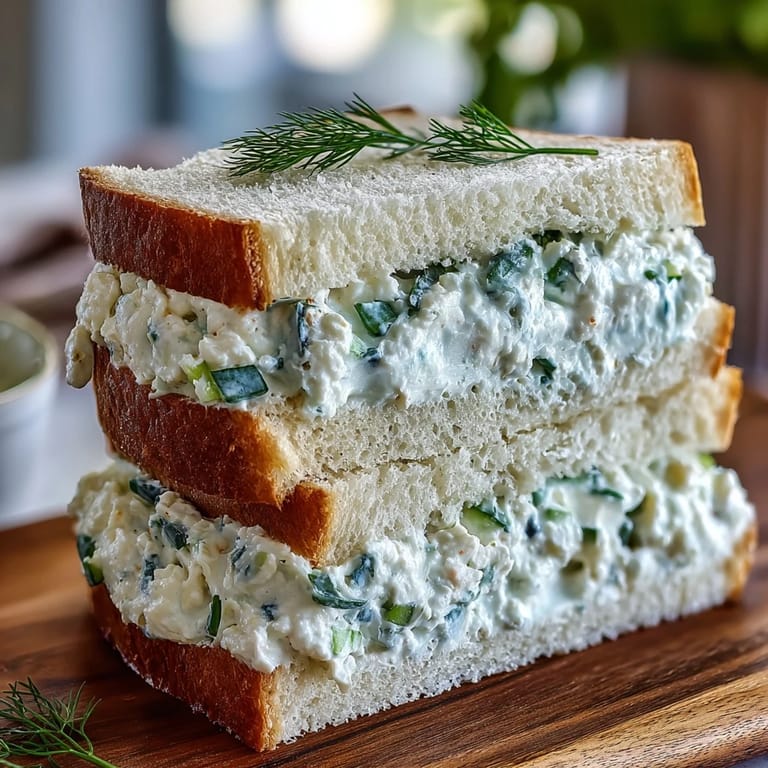
Save There's something about serving these sandwiches that turns a regular afternoon into an occasion worth dressing up for. Even my teenager, who normally eats like he's fueling a small engine, paused mid-bite and said they tasted "fancy," which I think might be the highest compliment a fifteen-year-old can give.
The Secret of Cucumber Prep
The difference between a soggy sandwich and a crisp one lives entirely in how thoroughly you dry out that cucumber. I learned this the hard way after making batches where the moisture slowly released into the spread over hours, turning everything into a damp regret. Now I grate the cucumber, wrap it tightly in a kitchen towel, and squeeze it like I'm upset at it—hard, deliberate squeezes from different angles until no more liquid comes out. Some people strain it through cheesecloth, others use a fine mesh strainer, but the towel method gives you the most control and honestly feels satisfying.
Bread Matters More Than You'd Think
Not all white sandwich bread is created equal, and this is where you actually want the soft, pillowy kind from the bakery section, not the dense stuff from the bread aisle that tastes like it was designed to last through nuclear winter. The delicate crumb structure holds the spread without tearing, and the subtle sweetness of fresh bread balances the savory herbs in a way that stale bread simply can't. I've made these with fancy artisanal loaves out of principle, and they were terrible—too dense, too much personality, completely missing the point of a tea sandwich.
Making It Your Own (Without Losing the Tradition)
These sandwiches are traditional enough that you'll see them at every Kentucky Derby party, but flexible enough that you can make them whisper your own name. Some people add a tiny pinch of cayenne pepper for warmth, others use whole wheat bread for earthiness, and I once made a batch with dill and lemon zest that tasted like a completely different memory. The spread can be made a full day ahead and refrigerated, which means your morning-of stress drops dramatically and you can focus on the arrangement, the presentation, the moment itself.
- Garnish with thin cucumber slices or fresh dill sprigs for a touch that says you care about details.
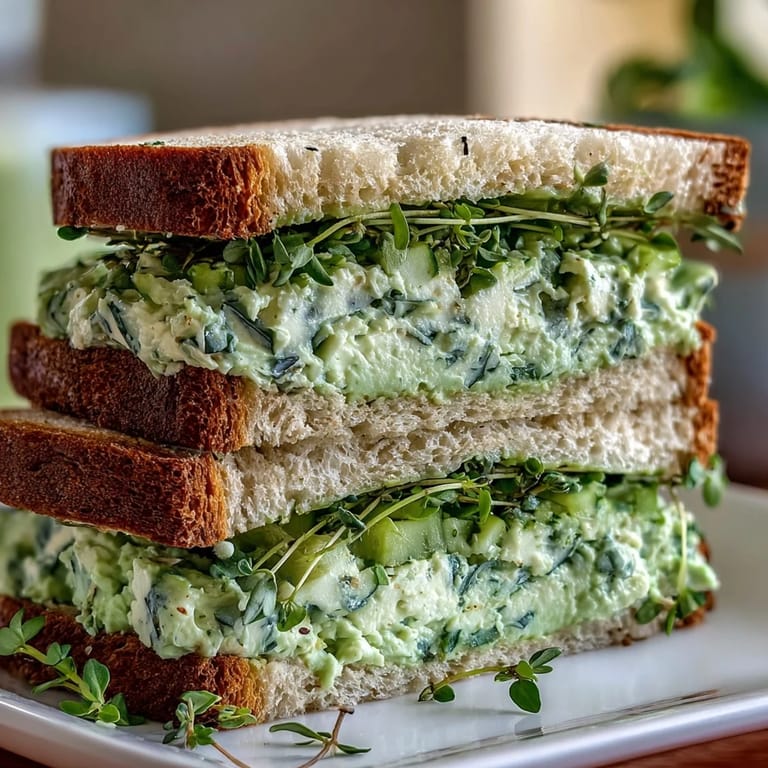
- Try them with rye bread or whole wheat if you want to change the energy while keeping the flavor.
- Make the spread ahead and taste it cold from the fridge—flavors shift slightly and you might want to adjust seasoning.
 Save
Save These sandwiches have taught me that sometimes the most meaningful food is the kind you make not because it's complicated, but because it says to the people around you: you deserve something made with care. That's worth more than any elaborate technique.
Recipe FAQ Section
- → What type of bread works best for these sandwiches?
Fresh white sandwich bread with crusts removed is traditional, but whole wheat or rye provide tasty alternatives.
- → How is the cucumber prepared for the spread?
The cucumber is peeled, seeded, grated finely, and squeezed in a towel to remove excess moisture for a smooth texture.
- → Can the spread be made ahead of time?
Yes, the spread can be prepared a day early and refrigerated to let the flavors meld.
- → Is it necessary to add green food coloring?
Adding green food coloring is optional and traditionally used to enhance the spread’s color.
- → How can I prevent the bread from becoming soggy?
Lightly buttering one side of each bread slice helps create a barrier and keeps sandwiches from getting soggy.
- → What garnishes complement these sandwiches well?
Thin cucumber slices or fresh dill sprigs add flavor and visual appeal as garnishes.