 Save
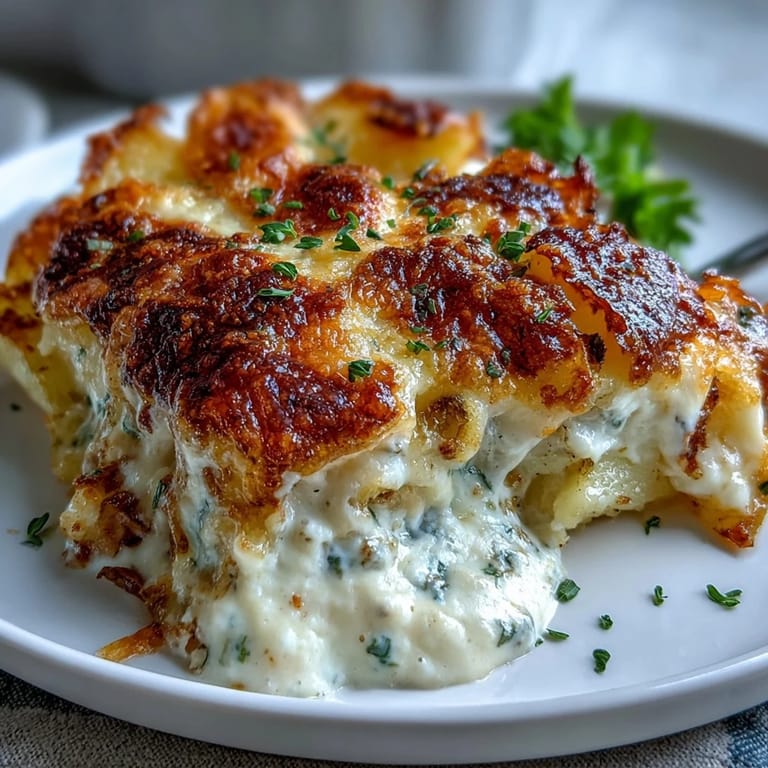
Save My cousin brought au gratin potatoes to Thanksgiving one year, and I watched people abandon their turkey mid-bite to go back for thirds. I spent the next week pestering her for the recipe, convinced there was some secret ingredient I was missing. Turns out, the magic was simpler than I thought—good cheese, decent cream, and the patience to let layers do their work. Now when I make this dish, the kitchen fills with this smell that's equal parts garlic and melted Gruyère, and honestly, it's become my favorite thing to contribute to family dinners.
I made this for my partner's boss and their family during a dinner party, and I was genuinely nervous about it. The first batch I pulled out of the oven had this gorgeous golden top, the cream was bubbling at the edges, and I could see the potatoes were fork-tender through the glass. When I sliced into it at the table, the whole thing stayed together beautifully instead of falling apart like it did the week before. Watching everyone's faces light up when they tasted it felt like a small victory, honestly.
Ingredients
- Yukon Gold or Russet potatoes (2 lbs): Yukon Golds stay creamy and golden while Russets absorb flavor better—I use Yukon Golds because they slice more evenly and look prettier, but honestly either works if you're patient with the knife.
- Heavy cream (2 cups) and whole milk (1 cup): The cream makes it rich, the milk keeps it from being overwhelming; using just cream tends to feel heavy by the third bite.
- Garlic cloves (2), minced: Two cloves is enough to hint at garlic without drowning everything else out, which I learned after making a version with four that tasted like I'd accidentally made a garlic dish.
- Salt (1/2 teaspoon) and freshly ground black pepper (1/4 teaspoon): Taste as you go because the cheese adds saltiness later, and you won't realize you've oversalted until it's baked.
- Grated nutmeg (1/4 teaspoon): This tiny amount sounds weird until you taste it—nutmeg is what makes people say 'what is that?' in a good way.
- Gruyère cheese, grated (1 1/2 cups): Gruyère melts into the cream like it was made for this; it's nutty and doesn't get stringy or separate like cheaper cheeses do.
- Parmesan cheese, grated (1/2 cup): Parmesan adds sharpness and helps the top turn that beautiful golden brown.
- Fresh chives or parsley (2 tablespoons, chopped): Optional but worthwhile because it adds a fresh note that cuts through the richness and looks intentional when it's sitting on the table.
Tired of Takeout? 🥡
Get 10 meals you can make faster than delivery arrives. Seriously.
One email. No spam. Unsubscribe anytime.
Instructions
- Set up your space:
- Preheat the oven to 375°F and lightly butter a 9x13-inch baking dish—the butter matters because it keeps the edges from sticking and gives you something to hold onto when you're pulling it out. If you want extra flavor, use a cut garlic clove to rub the inside of the dish before you start layering.
- Warm the cream mixture:
- Combine the heavy cream, milk, garlic, salt, pepper, and nutmeg in a saucepan over medium-low heat, stirring occasionally until it's steaming and the garlic releases its smell into the kitchen. You're not trying to boil it—just get it warm enough that when it hits the potatoes, they'll start cooking immediately instead of staying cold and stiff.
- Layer the first potatoes and cheese:
- Arrange half your potato slices in an even layer across the bottom of the dish, then sprinkle half the mixed Gruyère and Parmesan over top. Uneven layers are fine; this isn't plating for Instagram, and the cream will find all the gaps anyway.
- Add the second potato layer:
- Layer the remaining potatoes evenly on top, then pour the warm cream mixture slowly and evenly across everything so it sinks down and no potato feels left out. Pour any cream that pools in corners to more neutral spots.
- Top with cheese and cover:
- Sprinkle the remaining cheese over top, then cover the dish loosely with foil—loose is important because tight foil traps too much steam and the potatoes stay slightly watery instead of becoming tender and creamy.
- First bake period:
- Bake covered for 40 minutes, during which time the potatoes will soften and the cream will start thickening. You can usually smell when the garlic has fully infused into everything.
- Uncover and finish:
- Remove the foil and bake for another 20-25 minutes, watching until the top is golden brown and a fork slides through a potato with almost no resistance. The exact time depends on how thick you sliced your potatoes and how hot your oven actually is versus what the dial claims.
- Rest before serving:
- Let it sit for 10 minutes out of the oven—this matters because it lets everything set up slightly so you can slice it cleanly instead of it falling apart into creamy potato soup. Garnish with chives or parsley if you want brightness, or skip it if you prefer the richness without the green.
 Save
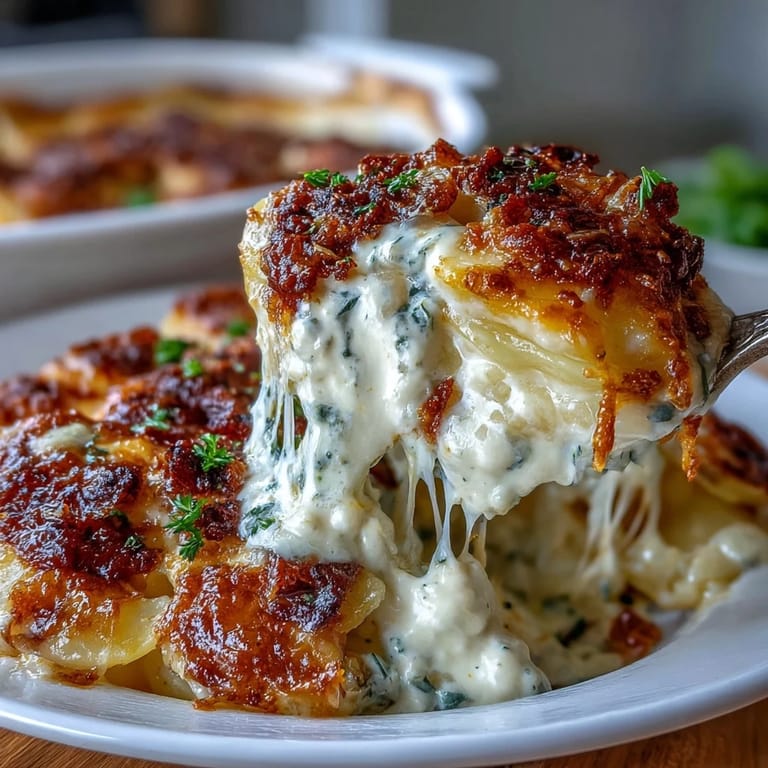
Save There was this one time I made this for a friend who said they couldn't eat dairy, and then halfway through the meal they asked what was in it because they wanted to figure out how to make it themselves. When I told them it was basically three-quarters cheese and cream, they laughed and said they'd take the risk once a year. That's when I realized this dish doesn't need to be an everyday thing to be meaningful—it's the kind of food that marks occasions.
Slicing Potatoes Evenly Matters More Than You Think
The first time I made au gratin potatoes, I used a knife and kept telling myself I was good enough at it. Some slices were thick, some were thin, and the whole thing baked unevenly—the thin ones turned into potato paste while the thick ones still had a slight crunch. Now I use a mandoline slicer if I'm making it, or I ask my partner to do it because they're patient in a way I'm not. Even slices mean even cooking, which means every bite tastes like it was meant to.
Temperature Matters for the Cream Sauce
I once heated the cream mixture to a full boil before pouring it over the potatoes, thinking hotter meant faster cooking. Instead, the cream separated slightly and looked greasy by the time it came out of the oven. Now I heat it just until it steams—you'll see wisps rising off the surface—and that's when I know it's ready. The potatoes finish cooking in the oven anyway, and the cream stays silky and unified instead of breaking apart.
Cheese Selection Changes Everything
Gruyère is genuinely worth buying for this dish because it melts into the cream without getting stringy or separating. Sharp white cheddar is an okay substitute if Gruyère is expensive where you shop, but it's a different flavor—less nutty, more sharp. I tried a fancy Brie once thinking it would be creamier, and it just kind of sat on top without integrating into anything.
- The Parmesan needs to be real Parmigiano-Reggiano or at least actual aged Parmesan, not the powdered stuff in the green can that tastes like wood shavings.
- Grate your cheese fresh if you can, because pre-shredded cheese has anti-caking powder that makes it grainy instead of smooth when it melts.
- Add some of the cheese between layers instead of putting it all on top, which helps it distribute through the dish instead of creating a thick crust that other people fight over.
 Save
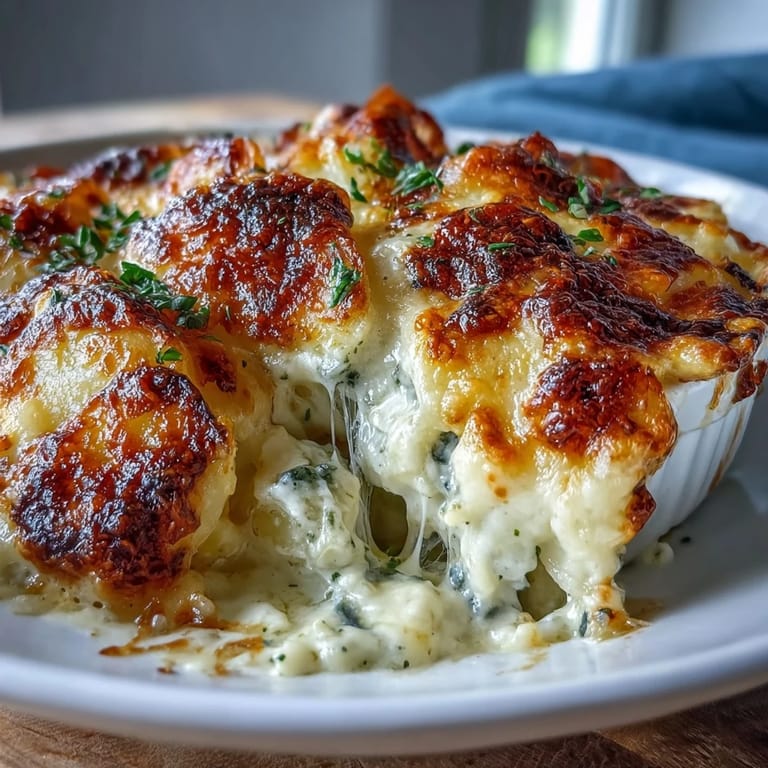
Save This dish has become my answer to 'what should I bring?' because it's impressive without being stressful, and it reheats beautifully the next day. Make it whenever you want something that feels fancy but tastes like home.