 Save
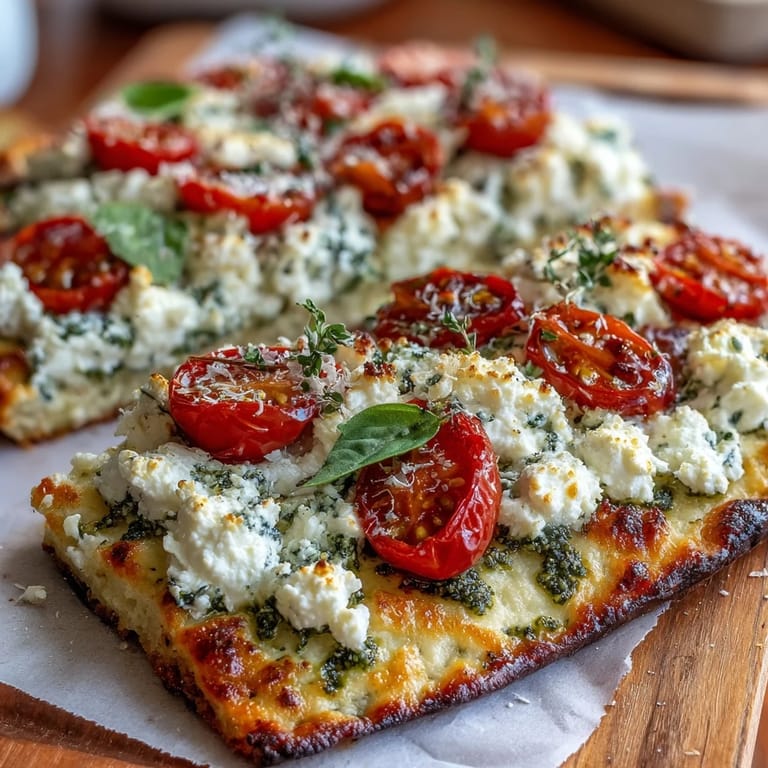
Save There was something oddly satisfying about scraping the last bit of cottage cheese from its tub while early spring sunlight slanted across my kitchen. I first tried this flatbread out of curiosity after seeing it plastered on social media and, honestly, didn’t expect it to become a freezer staple. As the cherry tomatoes sizzled under the broiler, their scent made me pause and rethink my usual lunch routine. Sometimes, the thrill isn’t just in a new technique or flavor, but in how a recipe upends a day’s usual rhythm. This one was a surprise—simple in method, cheerful in result.
I remember setting out these golden flatbreads for friends on a Friday night when an impromptu kitchen hangout turned into a laughter-filled dinner. Someone snagged a wedge, looked up in surprise, and asked, Is that really cottage cheese? The moment was proof that sometimes the simplest ingredients create the best reactions.
Ingredients
- Cottage cheese: Blending this for smoothness is essential—the result is shockingly light and fluffy for what started as a humble cheese.
- Eggs: Room temperature eggs incorporate more easily; I learned to crack them into a bowl first in case of surprises.
- All-purpose flour or gluten-free flour: A little bit binds everything together—if using gluten-free, check for blends that don’t get gummy.
- Salt: Tiny but mighty—season well or the flatbread tastes bland.
- Garlic powder: I tried fresh once, but the powder disperses flavor more evenly in the batter.
- Baking powder: This puffs the flatbread just enough for lift without chewiness.
- Basil pesto: I keep a jar on hand for speed, but homemade feels extra vibrant if you have the time.
- Cherry tomatoes: Halving them releases juice and color that turns each bite juicy and slightly sweet.
- Fresh basil leaves: The aroma as they hit the warm flatbread is my favorite kitchen perfume.
- Black pepper: Cracked fresh over the top brings subtle heat that sneaks through the pesto.
- Grated parmesan (optional): Just a sprinkle at the end adds salty, melty richness.
Tired of Takeout? 🥡
Get 10 meals you can make faster than delivery arrives. Seriously.
One email. No spam. Unsubscribe anytime.
Instructions
- Prep the oven and tray:
- Line your tray well so there’s zero risk of sticking, then set your oven to 400°F and let it preheat while you mix.
- Blend the batter:
- Blitz cottage cheese, eggs, flour, salt, garlic powder, and baking powder until smooth and creamy; the batter will look pourable, not doughy.
- Shape your flatbreads:
- Pour half the batter onto the tray and coax it into an oval about 1/4-inch thick; take your time, a spatula helps keep edges neat.
- Bake until golden:
- After about 18–20 minutes, the edges turn beautifully crisp and the surface feels set—don’t underbake or it won’t lift off cleanly.
- Cool and top:
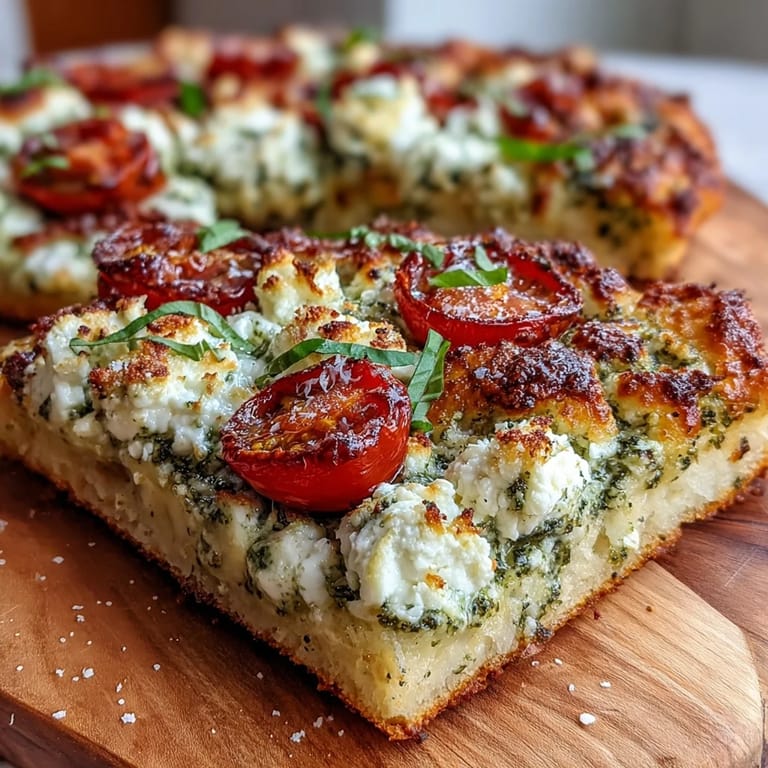
- Let the flatbreads cool for just a couple of minutes so they firm up, then swirl pesto over them and arrange the tomatoes in happy, haphazard clusters.
- Finish and garnish:
- A quick hit of pepper and (if you have it) parmesan brings everything together; scatter fresh basil over before slicing and serving while warm.
 Save
Save  Save
Save Last summer, after a long walk, I made this flatbread for lunch and ate it standing at my counter, seeds from the tomatoes popping between my teeth. It hit that sweet spot between nourishing and indulgent—a meal that feels as carefree as picnicking in your own kitchen.
Simple Ways to Switch Up Your Flatbread
On a whim, I once stirred some chili flakes into the batter and swapped the tomatoes for roasted red peppers. Each tweak brings a new layer of flavor without losing the flatbread’s lightness. It’s a recipe that practically invites improvisation.
Serving Ideas That Never Get Old
Cut small, these flatbreads disappear fast as party bites, especially when served alongside a tangy dip. When I want a proper meal, I’ll pile greens on top, or fold wedges into lunchboxes for the next day. It’s a blank canvas for both quick snacking and dinner upgrades.
Shortcut Solutions and Last Details
On rushed days, I lean on store-bought pesto and pre-sliced tomatoes to save a few precious minutes. This flatbread forgives shortcuts, as long as you get that base batter just right—everything else can flex to what’s in the fridge.
- If using sun-dried tomatoes, drain well so things don’t get soggy.
- Let the flatbread cool a bit before topping to help it hold its shape.
- Slice with a pizza cutter for neat wedges every time.
 Save
Save 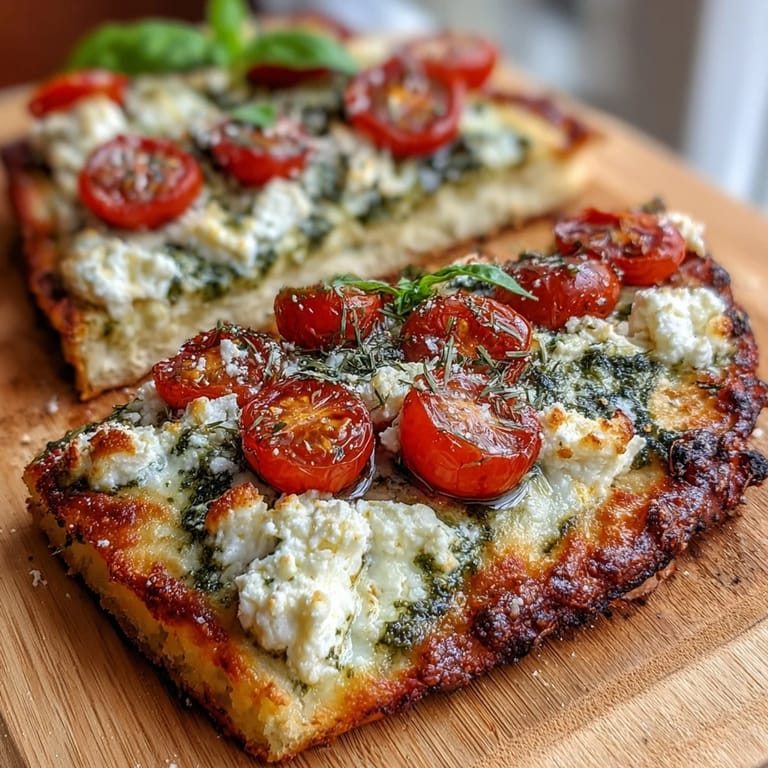 Save
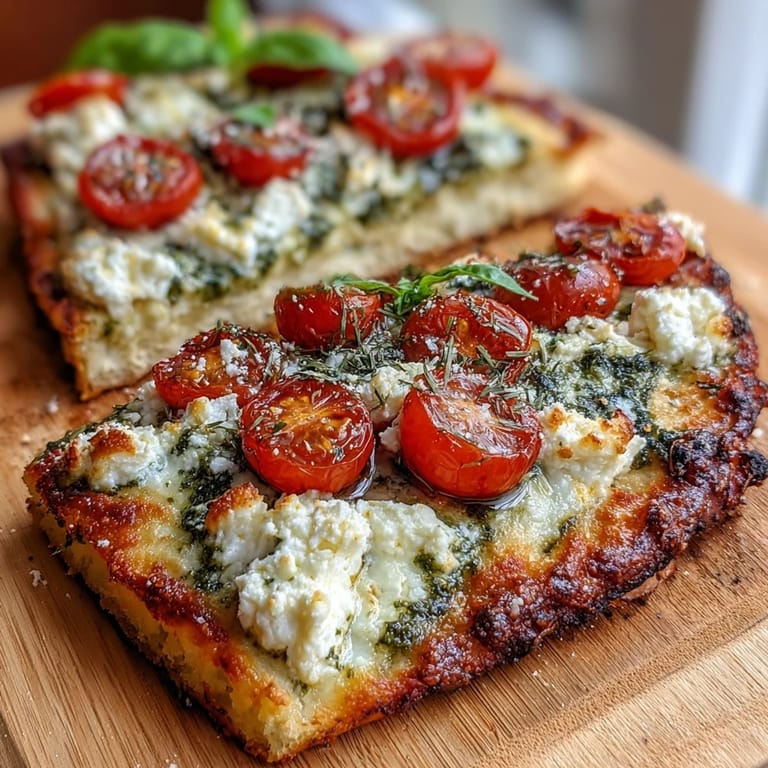
Save This cottage cheese flatbread is an easy win when you want something wholesome but fun. Let it be your go-to for those casual days where good food simply makes everything better.
Recipe FAQ Section
- → Can I use low-fat cottage cheese?
Yes. Low-fat cottage cheese works but yields a slightly drier crumb; if the batter seems loose, add a tablespoon more flour or an extra minute in the oven. If the curds are very wet, briefly drain or pat them to avoid excess moisture.
- → How can I make this gluten-free?
Swap all-purpose flour for chickpea flour or a 1:1 gluten-free blend. Chickpea flour gives a pleasing structure and extra protein, though you may need to adjust batter thickness with a splash of water or one more egg white if it feels too dense.
- → What's the best way to achieve a smooth batter?
Use a food processor or hand blender to combine cottage cheese, eggs, flour, salt, garlic powder, and baking powder until nearly smooth. A few small curds are fine, but a well-blended batter bakes more evenly and yields a tender flatbread.
- → How do I know when the flatbreads are done?
Bake at 400°F (200°C) for 18–20 minutes. Look for golden edges and a set surface; the centers should feel firm when gently pressed. Overbaking dries them out, so remove once the edges color and the middle springs back slightly.
- → What are good topping variations?
Try sun-dried tomatoes, sautéed mushrooms, or a scatter of chili flakes for heat. Swap parmesan for feta for a saltier finish, or add fresh lemon zest to the pesto for brightness. Fresh basil or arugula adds a peppery lift.
- → How should I store and reheat leftovers?
Store cooled flatbreads in an airtight container in the refrigerator for up to 3 days. Reheat in a preheated oven or toaster oven at 350°F (180°C) for 5–8 minutes to restore crisp edges; avoid microwaving to keep texture.