 Save
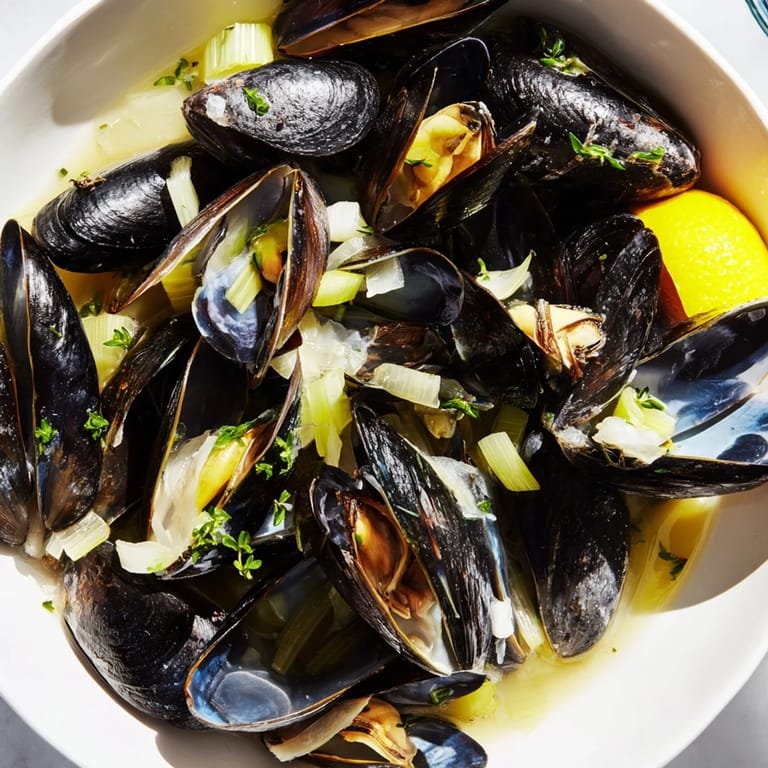
Save There's something almost meditative about steaming mussels—the way the pot lid rattles gently as they open, releasing that briny perfume of the sea mixed with wine and garlic. I learned to make moules marinière years ago on a misty evening in Brussels, watching a woman at the market choose her mussels with the kind of care most people reserve for selecting jewelry. She explained that you listen for the sound when you tap them; a good mussel closes right back up, defensive and alive. Now whenever I make this dish, I think of her hands moving through the ice, and how something so simple—just mussels, wine, and aromatics—became one of my favorite meals to share.
I made this for my sister on her birthday, and she sat at my kitchen counter with a bowl, eyes closed, just breathing in the steam. She didn't say much—just kept dunking bread into that broth and smiling. Afterward, she told me it tasted like a memory she didn't have yet, which I think is the highest compliment anyone's ever given me about food.
Ingredients
- Fresh live mussels (2 kg / 4.4 lbs): The soul of this dish—choose ones that feel heavy and smell like ocean spray, not old seaweed. Buy them as close to cooking as possible and keep them cold.
- Shallots (2 medium, finely chopped): Their gentle sweetness is key; they're less aggressive than onions and dissolve into the broth beautifully.
- Garlic (2 cloves, minced): Mince it fine so it infuses the wine without leaving harsh chunks.
- Leek, white part only (1 small, finely sliced): Often overlooked but adds a subtle aromatic depth that ties everything together.
- Celery (2 stalks, finely chopped): The unsung backbone—it creates body in the broth without announcing itself.
- Fresh flat-leaf parsley (1 small bunch, chopped): Stir it in at the very end so the brightness stays alive on your tongue.
- Fresh thyme (2 sprigs): Use fresh if possible; dried thyme tastes like old paper compared to the delicate herbal notes thyme brings when green.
- Bay leaf (1): One is enough; two would make the broth taste medicinal.
- Dry white wine (300 ml / 1 1/4 cups): Use something you'd drink—the mussels will taste like whatever you pour into the pot.
- Olive oil (2 tbsp): Good oil makes a difference here; save your fancy stuff for drizzling.
- Black pepper and sea salt: Remember mussels are briny; taste before you salt.
- Lemon wedges, to serve: The bright finish that wakes up every spoonful.
Tired of Takeout? 🥡
Get 10 meals you can make faster than delivery arrives. Seriously.
One email. No spam. Unsubscribe anytime.
Instructions
- Check and prepare your mussels:
- Rinse them under cold running water and scrub away any grit. Tap any that are open—a fresh mussel snaps closed like a reflex. Discard the stubborn ones that stay gaping; they're already gone. Pull off the dark beard (that stringy bit) by pinching and tugging toward the hinge.
- Build your aromatics:
- Heat olive oil in your pot over medium heat until it shimmers slightly, then add shallots, garlic, leek, and celery. Let them soften for 3-4 minutes, stirring occasionally—you want them fragrant and translucent, not browned.
- Introduce the herbs and wine:
- Stir in thyme and bay leaf, then pour in the white wine and let it come to a gentle simmer. This is where the magic starts—the wine will smell incredible, herbaceous and bright.
- Steam the mussels open:
- Add your mussels to the pot, cover with a lid, and crank the heat to high. They'll start releasing into the liquid immediately, creating their own brine. After about 5-7 minutes, shake the pot gently and peek—most should be open, their shells spread wide.
- Finish and serve:
- Remove from heat and scatter parsley over everything. Season carefully with black pepper and a pinch of salt if the broth needs it. Serve immediately in deep bowls, pouring that liquid gold over and around each portion.
 Save
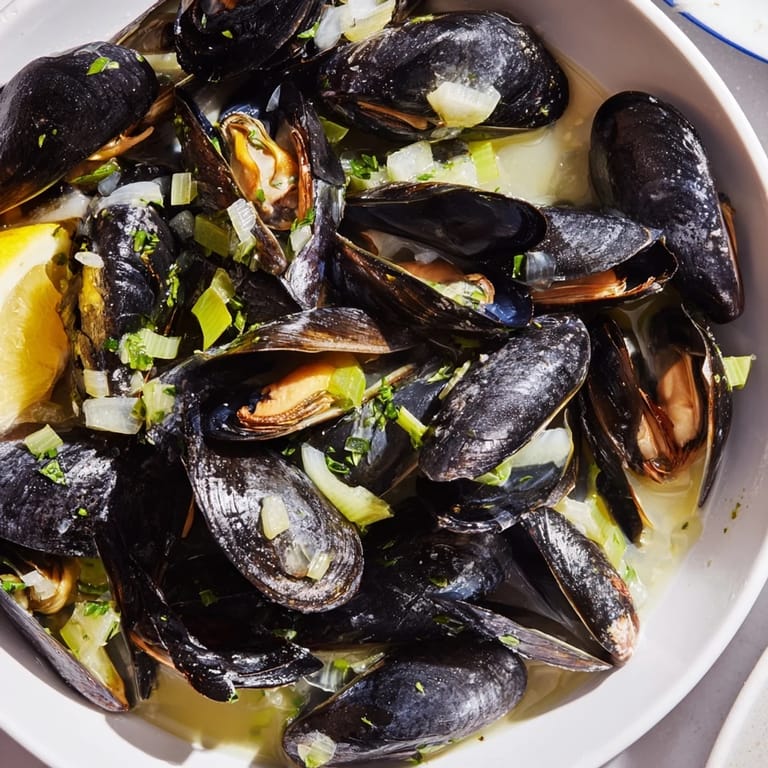
Save My first attempt at this dish, I panicked when the pot lid started rattling violently and opened it too soon, letting all the steam escape. A friend laughed and told me the chaos meant the mussels were happy and alive in there, and suddenly I stopped being afraid of the noise. Now I listen to that rattle like it's a song.
The Right Equipment Matters
A large pot or Dutch oven with a tight-fitting lid is genuinely important here—cheap pots with loose lids let the steam escape and the mussels cook unevenly. The lid needs to seal well enough that when you cover the mussels, they're in a proper steam bath. I learned this the hard way by watching mussels open at completely different times and having some sit in the broth too long, getting rubbery at the edges.
What to Serve Alongside
The only accompaniment this dish truly needs is crusty bread or Belgian fries to soak up the broth, which is honestly the best part of the meal. Some people serve mayonnaise on the side if they're doing fries—the cool, creamy contrast against the hot, briny soup is unexpectedly perfect. The lemon wedges matter too; a squeeze of bright acid over the mussels themselves lifts the whole experience.
Making It Your Own
This recipe is a canvas, not a rulebook. Some cooks add cream at the end for richness, others stir in a tablespoon of butter just before serving. I've seen versions with saffron, versions with just garlic and wine, versions that include diced tomato. The magic is in respecting the mussels themselves and not overshadowing them. A generous handful of fresh herbs at the end—whether parsley, chives, or dill—can completely change the mood of the dish.
- If your mussels feel sandy when you open them, you can soak them in cool salt water for an hour before cooking to help them purge.
- Leftover broth freezes beautifully and becomes the perfect base for seafood pasta or risotto.
- Never force a mussel open; if it won't open during cooking, it's already decided against you.
 Save
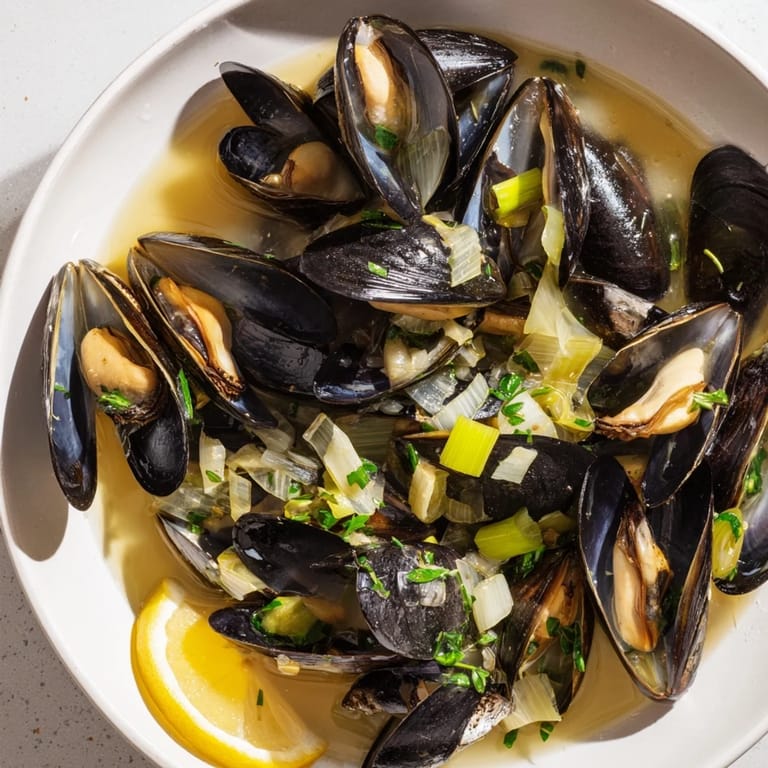
Save Moules marinière is proof that the best meals don't require technique or fussy ingredients—just respect for what the sea gave you and the patience to let it speak for itself. Every time I make it, I'm grateful for that woman at the Brussels market and the simple, alive thing she taught me.
Recipe FAQ Section
- → How do you clean mussels before cooking?
Rinse mussels under cold water and scrub their shells to remove debris. Discard any mussels that are cracked or don’t close when tapped.
- → What herbs enhance the flavor of moules marinière?
Thyme, bay leaf, and flat-leaf parsley add fragrant herbal notes that complement the mussels and broth.
- → Can I vary the aromatics in the dish?
Yes, shallots can be swapped with yellow onions, and additional aromatics like celery and leek create depth in the broth.
- → How long should mussels be steamed?
Steam mussels for about 5 to 7 minutes until they open fully. Discard any unopened mussels afterward.
- → What pairs well served alongside this dish?
Crusty bread or Belgian fries are classic accompaniments, perfect for soaking up the flavorful broth.