 Save
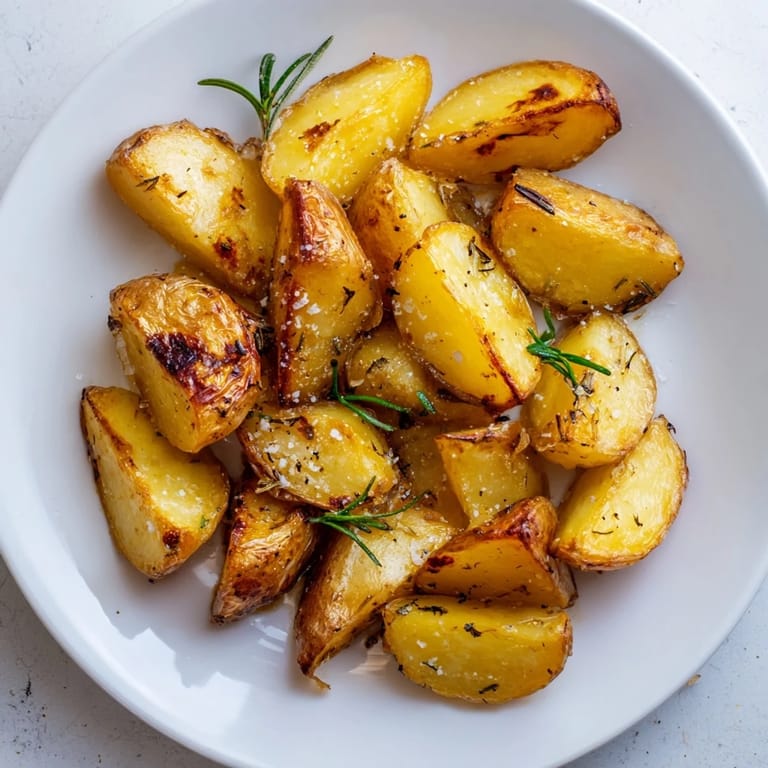
Save My grandmother kept a jar of beef tallow in her cold pantry, and I'd watch her pull it out with the reverence most people save for vanilla extract. She swore that roasting potatoes in it was the only way to get them properly crispy, and after years of burning edges in butter or drowning them in oil, I finally understood what she meant. The first time I made these, my kitchen filled with this rich, savory smell that sent me straight back to her kitchen on a Sunday afternoon. Now whenever I roast potatoes in tallow, I'm not just cooking dinner—I'm following a tradition that tastes like home.
I served these alongside a beef roast at a dinner party once, and someone actually paused mid-conversation to ask what I'd done differently. When I mentioned the beef tallow, their eyes went wide like I'd revealed some forbidden kitchen knowledge. It became the star of the plate that night, which felt a bit silly but also completely right.
Ingredients
- Yukon Gold or Russet potatoes: Choose waxy Yukon Golds if you want them to stay intact, or starchy Russets if you prefer fluffy insides with maximum crisp. Cut them into 2-inch chunks so they cook evenly.
- Beef tallow: This is the whole point—rendered beef fat has a high smoke point and develops a crust that nothing else quite matches. You can render your own from beef fat trimmings if you're feeling ambitious, or find quality tallow at good butchers or online.
- Kosher salt: Don't skip seasoning the water; it seasons the potatoes from the inside out and makes them taste like themselves.
- Freshly ground black pepper: Grind it fresh if you can—it makes a real difference in how bright the flavor feels.
- Fresh rosemary or thyme: These are optional but worth it; infuse them into the hot tallow so you get herbaceous notes without dried-out bits stuck to the potatoes.
- Garlic cloves: Smash them gently and use them to flavor the tallow, then remove them before the potatoes go on.
Tired of Takeout? 🥡
Get 10 meals you can make faster than delivery arrives. Seriously.
One email. No spam. Unsubscribe anytime.
Instructions
- Get your oven ready:
- Preheat to 425°F and place your baking sheet inside to heat while you prep everything else. A screaming hot sheet is non-negotiable for crispy potatoes.
- Start the potatoes in cold water:
- This ensures they cook through evenly. Once boiling, simmer just 8 to 10 minutes until the edges soften but the centers still resist the knife—you want parcooked, not soft all the way through.
- Rough up those edges:
- After draining, return the potatoes to the empty, hot pot and shake them gently for 30 seconds. This creates tiny rough edges that will crisp beautifully in the tallow.
- Infuse your fat:
- Melt the tallow gently, add your smashed garlic and herbs if using, and let them perfume the fat for a minute or two. You want that flavor whisper, not a burnt taste.
- Coat the hot sheet:
- Carefully pull out the baking sheet, pour half the tallow over it, and tilt it to coat evenly. This is where the magic starts.
- Arrange and season:
- Spread the potatoes in a single layer, drizzle the rest of the tallow over them, and sprinkle with salt and pepper. Don't be shy with the seasoning.
- Roast in two stages:
- After 20 minutes, flip everything with a spatula so the other sides get golden and crispy. Roast another 20 to 25 minutes until every side is shatteringly crisp and deep golden.
- Finish and serve:
- A quick toss with fresh herbs if you like, and get them on the table while they're still warm and at their crispiest.
 Save
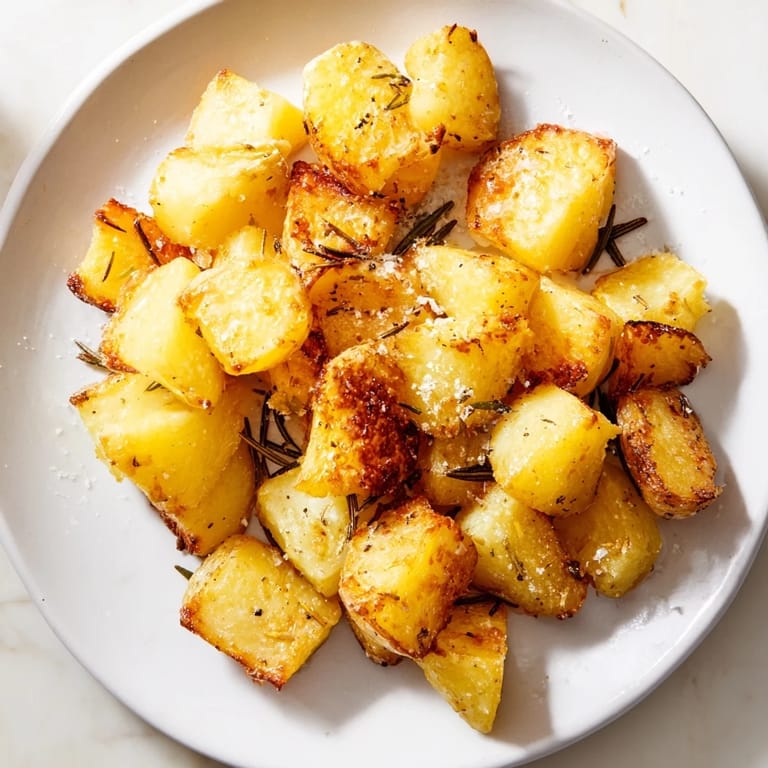
Save There's a moment when you pull the pan out halfway through roasting and the steam hits your face, and you already know it's going to be perfect. That's when I feel most confident in the kitchen—not when everything is precision and planning, but when your senses tell you something is working exactly as it should.
The Magic of Beef Tallow
Beef tallow has been the gold standard for roasting potatoes in British and American kitchens for generations, and honestly, fast food chains figured this out long before anyone else. It develops a crust that butter can't match because of its higher smoke point and its rich, savory flavor that feels substantial rather than greasy. Once you taste the difference, vegetable oil feels almost insulting by comparison.
Variations and Substitutions
If you can't find beef tallow or want to experiment, duck fat and goose fat deliver similar results—they're more accessible than tallow at some grocery stores and deliver their own luxurious flavor profiles. You could also use a combination of tallow and ghee if you want to stretch your tallow further. The key is using a fat with a high smoke point and a flavor that stands up to bold seasoning.
Serving and Pairing Ideas
These are the perfect side for a Sunday roast, but they're also brilliant alongside a steak, under a piece of roasted salmon, or honestly just eaten straight from the pan with a fork and a sprinkle of fleur de sel. The leftovers reheat beautifully in a hot oven, though I've rarely had any left over.
- Toss them with smoked paprika or a pinch of chili flakes for heat.
- Sprinkle with grated Parmesan or a drizzle of truffle oil if you want to lean into richness.
- Serve with a simple lemon wedge for brightness that cuts through all that savory depth.
 Save
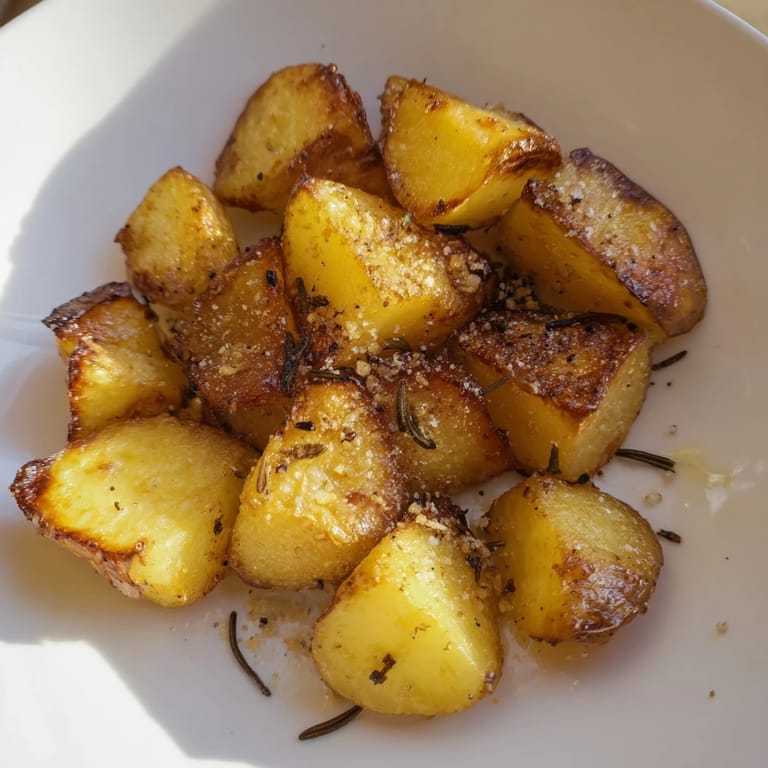
Save These potatoes have a way of becoming the memory of the meal rather than just a side dish. Make them once and you'll understand why my grandmother guarded her jar of tallow so carefully.
Recipe FAQ Section
- → What type of potatoes are best for roasting with beef tallow?
Yukon Gold and Russet potatoes work well, offering a balance of fluffiness and crispiness after roasting.
- → Why parboil potatoes before roasting them?
Parboiling softens the potatoes’ edges, which helps create a rough surface that crisps beautifully when roasted.
- → Can other fats be used instead of beef tallow?
Duck fat or goose fat are excellent alternatives, adding distinct richness and enhancing the crispy texture.
- → How do fresh herbs contribute to this dish?
Finely chopped rosemary or thyme add aromatic depth and complement the savory flavors of the roasted potatoes.
- → What oven temperature produces the best roast results?
Roasting at 425°F (220°C) ensures a golden, crispy exterior while keeping the inside fluffy and tender.